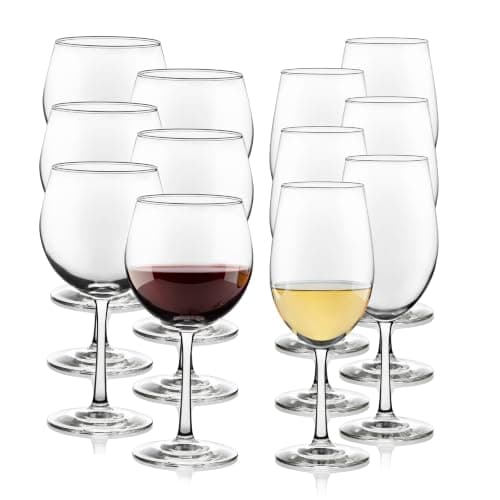
Champagne Coupe vs Flute
The flute protects the bubbles. The coupe shows off the wine and spills. The tulip is the answer almost nobody buys.

Heads up: we earn a commission from qualifying purchases made through the links on this page, at no extra cost to you. It never changes which products we pick or the order we rank them in. Full disclosure.
Quick picks
Tap any row to jump to the full write-up further down the page.
| # | Product | Best for | Score | Price |
|---|---|---|---|---|
| 1 | 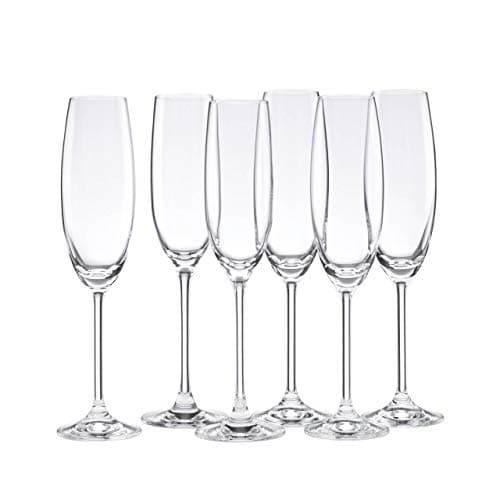 Lenox Tuscany Classics Champagne FlutesBest overall flute | Best overall flute | 8.3 | $38.49 · View on Amazon #ad We may earn a commission · Price as of November 2, 2026 |
| 2 | 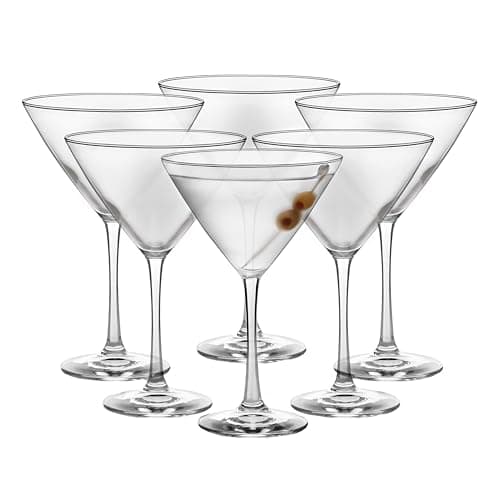 Libbey Vina Glassware SetCocktail glasses | Cocktail glasses | 8.4 | $32.20 · View on Amazon(19% off) #ad We may earn a commission · Price as of November 2, 2026 |
| 3 | 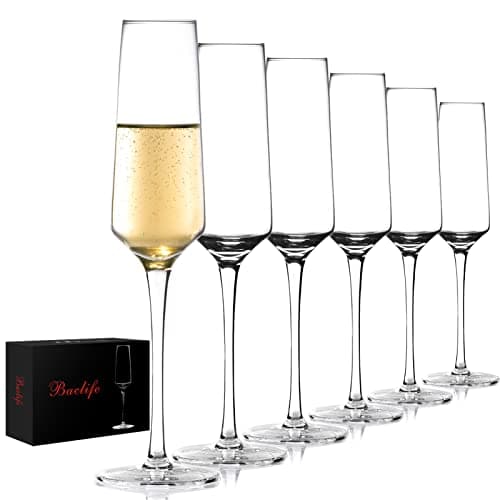 BACLIFE Hand-Blown Champagne FlutesThin rims | Thin rims | 7.9 | $28.48 · View on Amazon(5% off) #ad We may earn a commission · Price as of November 2, 2026 |
| 4 | 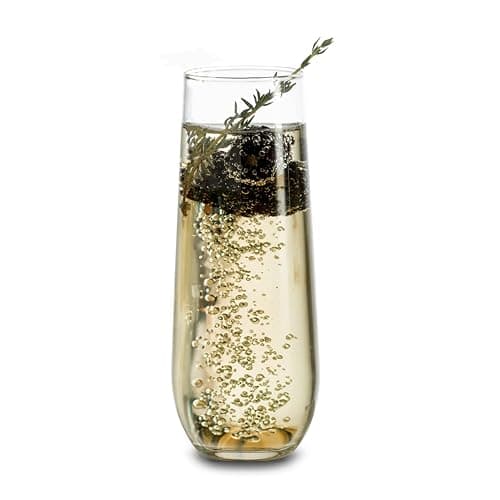 Libbey Stemless Champagne FlutesBudget and volume | Budget and volume | 8.0 | $29.99 · View on Amazon(25% off) #ad We may earn a commission · Price as of November 2, 2026 |
Scores are our editorial rating, not a lab test result — see how we pick.
Buy flutes for champagne and coupes for cocktails. The flute’s narrow bowl keeps carbonation and aroma in the glass; the coupe’s wide open surface lets both go, which is exactly why it was abandoned for sparkling wine and exactly why it works for a drink that has no bubbles to protect. If you want one glass that is genuinely best for good champagne, it is neither — it is a tulip.
The three shapes compared
| Shape | Bowl | Holds bubbles | Shows aroma | Best for |
|---|---|---|---|---|
| Flute | Tall and narrow | Best | Limited | Toasts, prosecco, a crowd |
| Tulip | Wider middle, narrowed rim | Good | Best | Champagne you paid real money for |
| Coupe | Wide and shallow | Poor | Escapes fast | Cocktails served without ice |
| Stemless flute | Narrow, no stem | Good | Limited | Parties and tight cupboards |
What the flute is doing
Carbonation leaves a liquid at its surface. Narrow the surface and you slow the loss, which is the flute in one sentence. The tall column also does something purely visual: bubbles form on the glass wall and rise the full height, and that is the image everybody associates with champagne.
The cost is aroma. A narrow rim leaves very little room for the smell of the wine to gather, so a flute tends to deliver fizz and acidity while under-reporting everything else. On a supermarket prosecco that is a fair trade. On a bottle with age on it, it is a waste.
What the coupe is doing
The coupe is a shallow saucer on a stem. It presents the widest possible surface, so carbonation flattens quickly and the aroma disperses into the room rather than into your nose. Fill it much past halfway and it spills on the first turn.
All of which makes it a poor champagne glass and a very good cocktail glass. A drink that is shaken, strained and served with no ice has nothing to protect and benefits from a bowl that is hard to spill, easy to stack and pleasant to hold. That is why coupes came back behind bars, and the Libbey Vina set is where to start if that is the actual use — see the best cocktail glasses.
Stems, stemless and the temperature problem
Sparkling wine is served cold and the bowl is the part that warms. A stem exists to keep your hand off it, and that argument is stronger for champagne than for any other wine because a warm sparkling wine loses its carbonation faster as well as tasting flat.
Stemless flutes trade that for durability and storage, and for a party it is usually the right trade: they do not snap in a dishwasher, they do not go over on a crowded table, and they stack into half the cupboard. Pour less and refill more often and the temperature problem mostly disappears. The full list is in the best stemless champagne flutes.
Which to buy
- Best overall for champagne: the Lenox Tuscany flutes. Lead-free crystal, classic shape, dishwasher safe, which traditional crystal is not.
- Best feel: the BACLIFE hand-blown flutes, just over 10 in tall at about 7.5 oz, with a thin rim. A thin cut rim is the most noticeable upgrade at this price level.
- Best for a party: the Libbey stemless flutes, sold twelve at a time.
- Best if you actually want coupes: the Libbey Vina set, which includes both coupe and martini shapes.
The complete flute roundup, including crystal and insulated options, is the best champagne flutes.
Where the coupe came from
The coupe is the older shape. It was the standard champagne glass through the nineteenth century and most of the first half of the twentieth, which is why it reads as vintage rather than modern, and the flute replaced it once producers started arguing that bubbles were the point. The story about the shape being modeled on somebody’s chest is repeated constantly and has no evidence behind it; the honest answer is that shallow stemmed bowls were simply what glassmakers were making.
What matters for a buying decision is that the coupe was not designed around carbonation and the flute was. If you like the look — and it is the better looking glass — buy coupes for cocktails, where the shape is genuinely the right tool, and keep flutes for the sparkling wine.
How many of each to own
Sparkling wine is the one drink most households serve only at occasions, and that argues for buying flutes in quantity rather than quality: twelve inexpensive glasses that get used twice a year beat four expensive ones that cannot cover a room. A set of twelve stemless flutes stores in less space than six stemmed ones, which is the practical reason that combination wins for hosting.
Coupes are the opposite. They get used whenever somebody makes a drink, so four to six good ones earn their keep. Anybody building glassware from nothing should read the best drinkware sets, which covers the four shapes that get a party through an evening and how many of each to own.
Pouring and serving
Pour sparkling wine at an angle against the inside wall of the glass, not straight down the middle. Straight down knocks the carbonation out and gives you a glass of foam to wait on; against the wall the wine settles at once and keeps more of its fizz. Fill a flute about two thirds and a coupe no more than half.
Chill the glasses as well as the bottle. Ten minutes in the fridge before pouring does more for how cold the first glass stays than any shape argument, and it costs nothing.
The picks in full
We have not lab-tested these products. Picks are chosen from live listings, sustained customer feedback at scale, material quality and fit for hosting — our full methodology.
Product image from Amazon, refreshed daily.
1. Lenox Tuscany Classics Champagne Flutes
The most well-rounded flute for a household that toasts occasionally: good enough for a wedding, sturdy enough for a mimosa brunch.
Key specs
- Lead-free crystal
- Classic flute shape
- Dishwasher safe
- Sold in sets
What works
- Handles both formal toasts and casual brunch service
- Crystal clarity without hand-wash-only fragility
- A named pattern you can add to later
What does not
- Priced above the budget flute field
- Tall flutes are awkward in a low cupboard
#ad We may earn a commission · Price as of November 2, 2026
Product image from Amazon, refreshed daily.
2. Libbey Vina Glassware Set
Restaurant-grade cocktail glassware in the classic shapes, which is what you want when the glass has to survive being washed twenty times a month.
Key specs
- Soda-lime glass
- Martini and coupe shapes
- Dishwasher safe
- Sold in sets
What works
- Classic shapes that will not look dated
- Restaurant durability at home prices
- Range lets you match across drink types
What does not
- Heavier than a fine crystal coupe
- Wide martini bowls are awkward to store
#ad We may earn a commission · Price as of November 2, 2026
Product image from Amazon, refreshed daily.
3. BACLIFE Hand-Blown Champagne Flutes
Hand-blown with a thin rim, which anyone who drinks Champagne regularly notices immediately and nobody else does.
Key specs
- Hand-blown
- Thin rim
- Just over 10 in tall
- About 7.5 oz
What works
- Thin rim genuinely improves how the wine reads
- Height gives bubbles room to develop
- Base is wide enough to be stable despite the height
What does not
- Hand-blown means thin, and thin means careful washing
- Very tall for standard cupboards
#ad We may earn a commission · Price as of November 2, 2026
Product image from Amazon, refreshed daily.
4. Libbey Stemless Champagne Flutes
Twelve stemless flutes for less than four crystal ones. The mimosa-bar answer, where quantity beats refinement.
Key specs
- Soda-lime glass
- Stemless
- Sets of 12
- Dishwasher safe
What works
- Twelve glasses covers a real brunch without renting
- Stemless survives an outdoor table
- Cheapest per glass here
What does not
- Stemless warms the wine faster
- Not a toasting glass for a formal occasion
#ad We may earn a commission · Price as of November 2, 2026
Common questions
Is a coupe or a flute better for champagne?
A flute, if the point is the champagne. The narrow bowl gives the bubbles a small surface to escape from, so the wine stays lively longer. A coupe has a wide open surface that lets carbonation and aroma go quickly, which is why it fell out of use for sparkling wine.
Why did bars switch to coupes then?
Because bars serve cocktails in them, not champagne. For a shaken or stirred drink with no ice, the coupe is close to ideal: a rounded bowl that does not slop the way a V-shaped martini glass does. Its revival is a cocktail story that got attached to champagne by association.
What is a tulip glass?
A flute that widens through the middle and narrows again at the rim. The width gives aroma somewhere to develop; the narrowed rim holds it in and still limits the surface the bubbles escape from. It is the shape most sommeliers choose for good champagne.
Can you serve champagne in a wine glass?
Yes, and for an expensive bottle it is better than a coupe. A standard white wine glass is closer to a tulip than a flute is - enough bowl for the aroma, a rim that holds it. You lose the look and the long column of bubbles, and you taste more of the wine.
Are stemless champagne glasses acceptable?
For a party, yes. They store smaller, break far less and nobody knocks them over on a crowded table. The cost is temperature: a palm around the bowl warms sparkling wine faster than a stem would, so pour smaller and refill.
Does the glass really change the taste?
It changes what reaches you, which amounts to the same thing. Shape controls how much surface the wine presents to the air, and that sets how fast carbonation and aroma leave. A side-by-side pour into a flute and a coupe is noticeably different within five minutes.