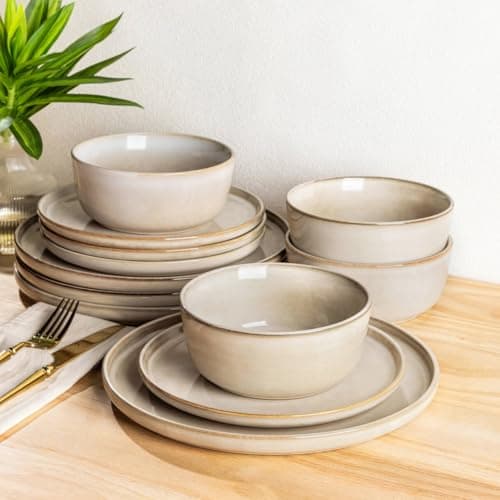
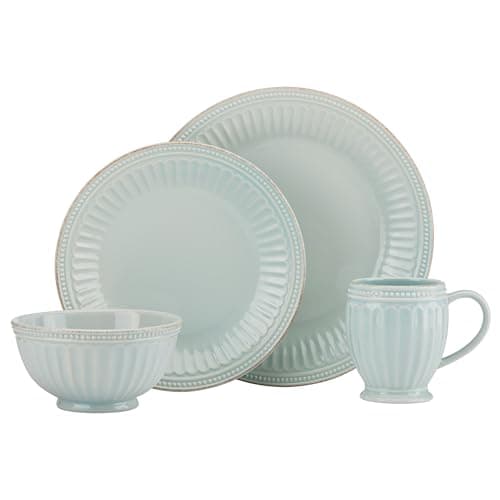
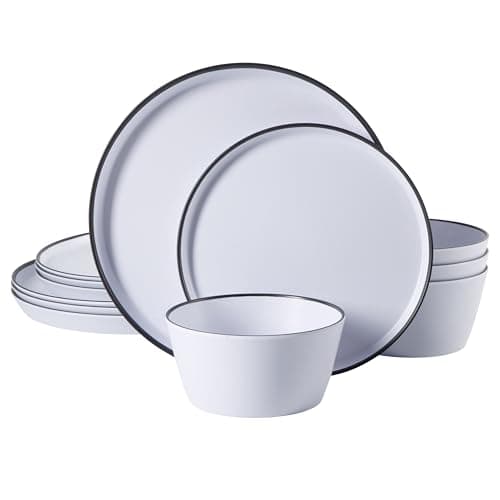
The plates you eat off every night and the ones you put out when people come. Usually they should be the same plates.
Heads up: we earn a commission from qualifying purchases made through the links on this page, at no extra cost to you. It never changes which products we pick or the order we rank them in. Full disclosure.
Dinnerware is one of the few things in this category you genuinely live with. A board comes out a dozen times a year. Plates come out three times a day, get scraped with a knife, stacked while wet, and loaded into a dishwasher with something heavier on top.
Start with durability, then choose the look
The question that should come first is how hard your household is on plates, because the answer picks the material and the material narrows the field to something manageable.
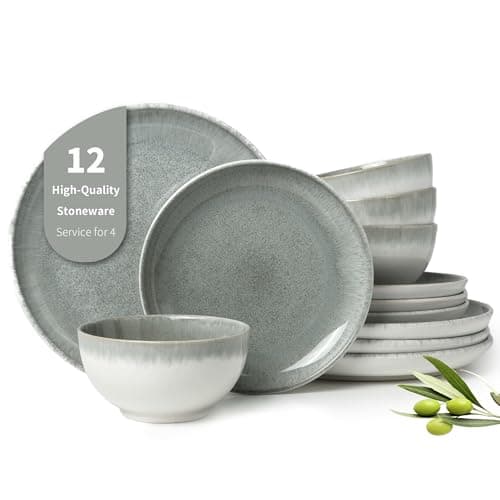
Not because you regularly feed eight, but because four settings means you are washing up mid-meal the moment anyone comes over, and because plates break. Eight is the number where you stop thinking about it. See sets for eight and, if you host holidays, sets for twelve.
One piece of advice that is worth more than the pattern you choose: if the set is available as open stock, buy two or four extra dinner plates at the same time. Patterns get discontinued, reactive glazes shift between production runs, and four spare plates bought on day one keeps a set complete for a decade.
The everyday-versus-good-set question
The old advice was to own a formal set and a casual one. That produced a generation of cupboards holding a boxed service used twice a year. Buy one set good enough to put in front of guests and robust enough for a Tuesday, and use it every day. That is what modern stoneware is designed to be.
The rest of the place setting
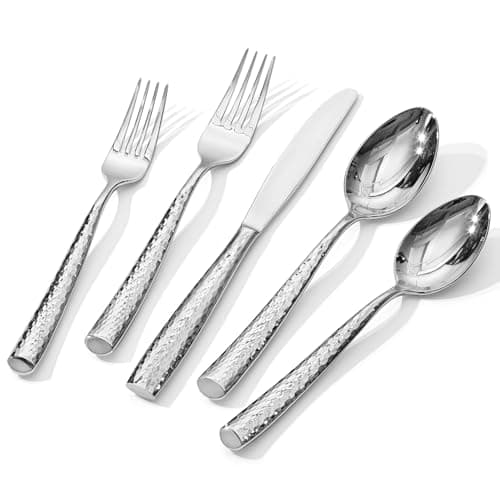
Plates are a third of it. Flatware is the part people never think about until they pick up a fork that flexes — the grade to look for is 18/10, and our flatware picks explain why. Glassware lives in drinkware. And if you have never laid a table formally, how to set a table takes two minutes and has two rules underneath all of it.
Headcount, and the two questions everybody asks
Most households buy a service for four, and four place settings is not the same as enough plates — the best dinnerware sets for 4 explains the difference and which sets scale to eight later. The other two questions arrive after the box does: is stoneware oven safe covers the appliance ratings and the thermal shock rule, and is melamine dinnerware safe gives the FDA position for anyone shopping for a patio set.
Still deciding, and the flatware question
If you have not narrowed anything down yet, how to choose dinnerware puts the five decisions in the order that actually rules sets out, and what size are dinner plates has the standard sizes plus the two measurements that cause real problems. On the cutlery side, the numbers on the box are worth two minutes: 18/10 vs 18/0 flatware explains what they mean, which grade rusts, and the magnet test that settles a vague listing.
The plates a party actually runs on
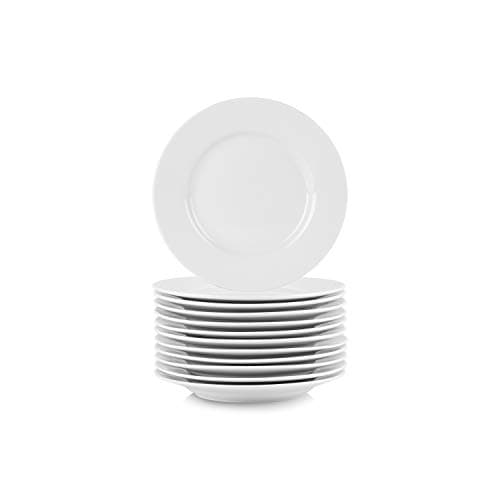
Dinner plates are the wrong size for a standing room: too wide to hold with a drink, and they make a modest spread look empty. The best appetizer plates roundup works through the sizes between five and seven and a half inches, why set count matters more than pattern, and when melamine is the right call instead of porcelain.
What goes under and beside the plates
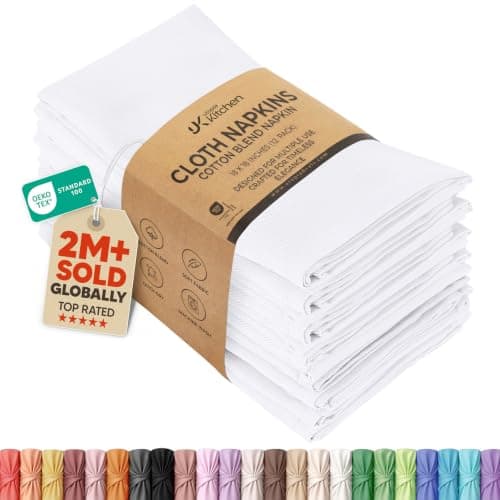
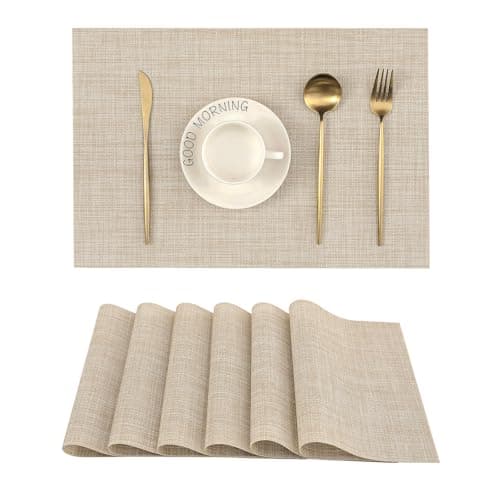
The two cheapest upgrades a table can get are also the two most often abandoned, and for the same reason — laundry. Our best cloth napkins roundup chooses for how a napkin comes out of the dryer before how it looks on the table, because that is what decides whether it stays in use. Underneath, the best placemats are sorted by what the table needs protecting from: cork for heat, vinyl and faux leather for spills, real cotton for a table you lay properly.
The one piece that stays out through the meal
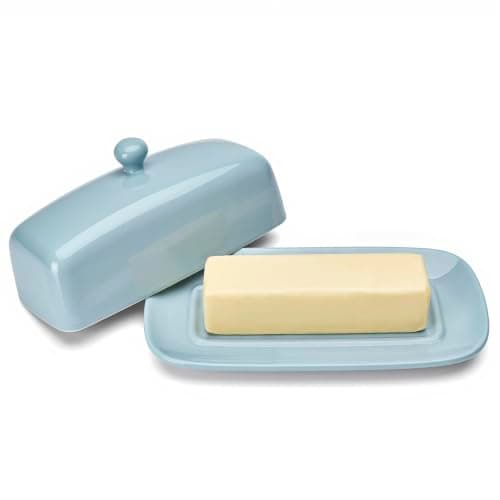
A butter dish is seen for as long as the plates are, and it is the tableware people most often buy wrong — because they buy the dish before they look at the butter. The best butter dishes roundup starts with the stick-shape trap (Eastern sticks are long, Western sticks are short, European blocks are wider than both), then splits the picks by where the dish actually lives: porcelain and stoneware for the table, a latching keeper for the refrigerator door, and a French crock for butter that is genuinely spreadable at breakfast.
The cheapest thing that makes a table look laid
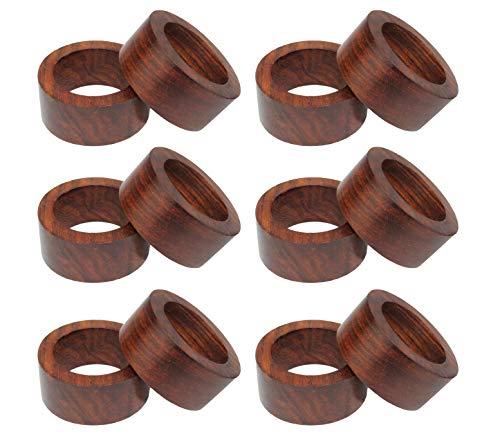
A ring around a folded napkin is a small gesture that reads as effort, and the best napkin rings roundup leads with the thing that actually decides the purchase: the inner diameter, which almost no listing publishes and which is why so many sets come straight back. We measure a folded napkin first, then rank wood, hammered metal, beads and a silver option for the households whose flatware would fight a gold ring.
One strip of fabric, and the length nearly everyone gets wrong
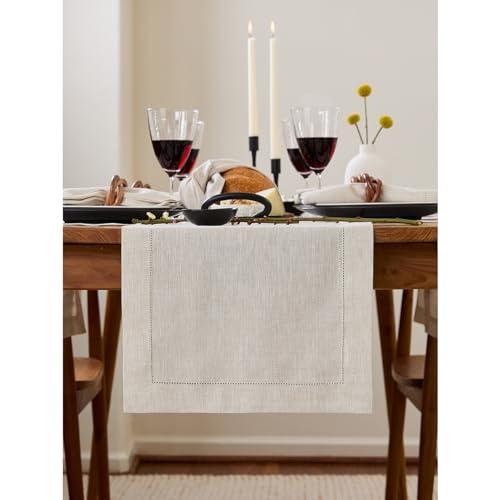
A bare table with plates on it looks like a bare table with plates on it. The same table with a runner down the middle looks set, for less than the price of a dinner plate. The best table runners roundup leads with the arithmetic that decides the purchase — table length plus twelve inches, measured with the leaf in, not out — then ranks real linen, cotton blends and wipe-clean sets on how they drape, how the edge is finished, and what each one does when somebody spills red wine on it.