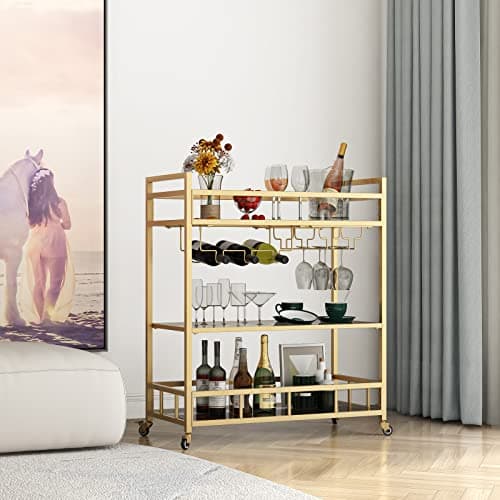
Glassware and bar kit chosen for a house where things get washed a lot and occasionally dropped.
Heads up: we earn a commission from qualifying purchases made through the links on this page, at no extra cost to you. It never changes which products we pick or the order we rank them in. Full disclosure.
Glassware is where hosting budgets go to die, because the category is built around specialist shapes and most households need volume and durability far more than they need a Burgundy bowl.
One universal shape, and enough of them
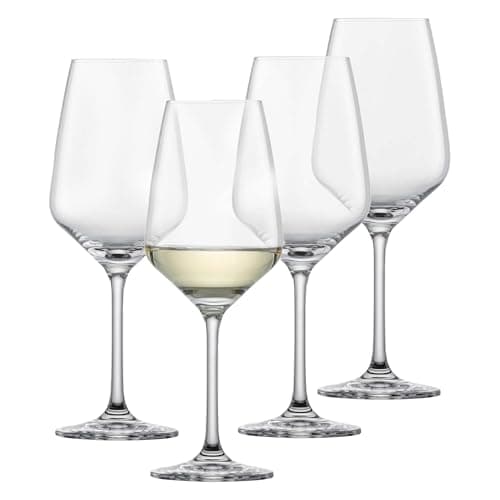
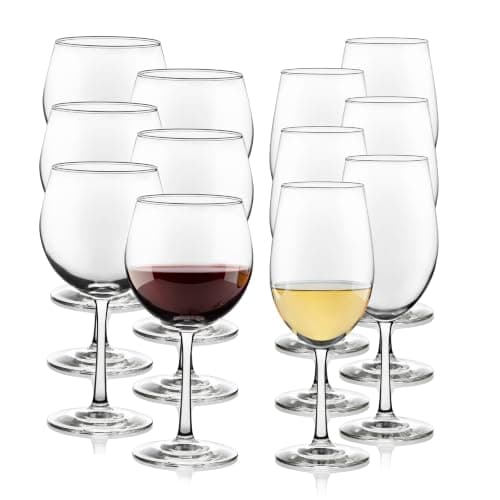
A universal wine glass has a medium bowl that tapers toward the rim, roughly 15 to 20 ounces, and it handles red, white and rosé without embarrassing any of them. Owning twelve of one good universal glass is a better hosting setup than owning six each of two specialist shapes: you never run out, you never explain which glass is which, and a matched table looks considerably better than a mixed one.
The one shape difference that genuinely matters at a normal dinner is the taper. A glass that narrows toward the rim collects aroma; a straight-sided tumbler does not. Everything beyond that is refinement.
Two glasses per guest
It sounds excessive until you remember that people switch wines, set a glass down and lose it, and one always breaks. Twelve inexpensive glasses beat six expensive ones for actual hosting, and you can still own six good ones for smaller dinners.
Stemmed, stemless or shatterproof
Type
Best for
The trade
Stemmed
A set table, formal dinners, keeping white cold
Snaps in dishwashers, needs cupboard height
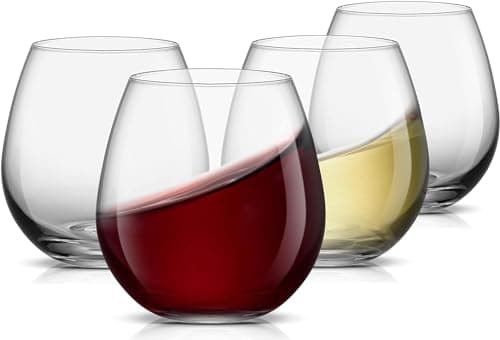
Stemless
Everyday use, small cupboards, outdoor tables
Your hand warms the wine
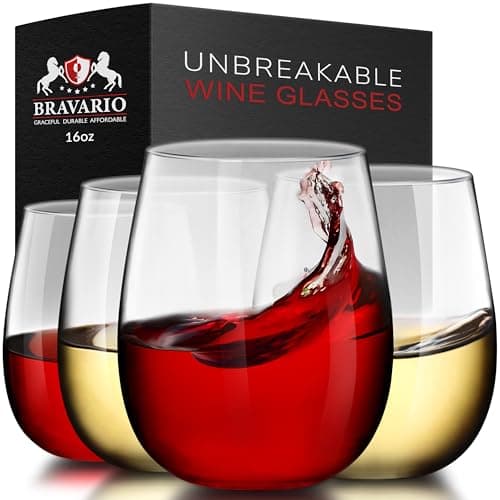
Shatterproof
Patios, pools, small children
Hazes over time, never feels like glass
Most households that host benefit from owning two of these three. Stemless and unbreakable each have their own roundup.
Crystal that goes in the dishwasher
Traditional lead crystal is thin and brilliant and you cannot put it in a dishwasher. Modern titanium-reinforced crystal keeps the thinness and clarity, is genuinely dishwasher safe, and is harder to chip. That combination is the strongest argument for spending more on glassware, because you are not buying a second set for best — you are buying one better one.
Beyond wine
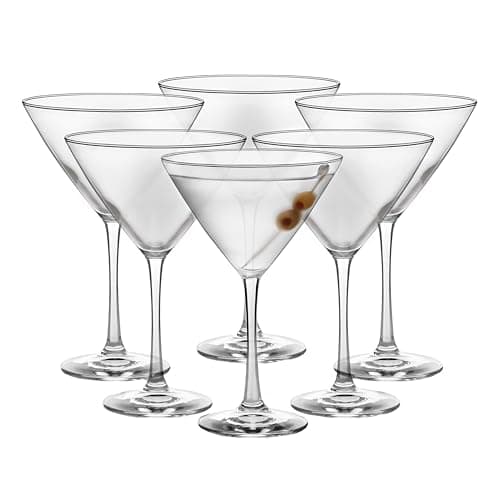
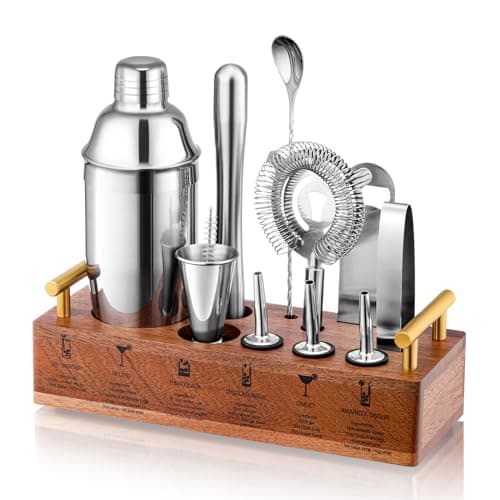
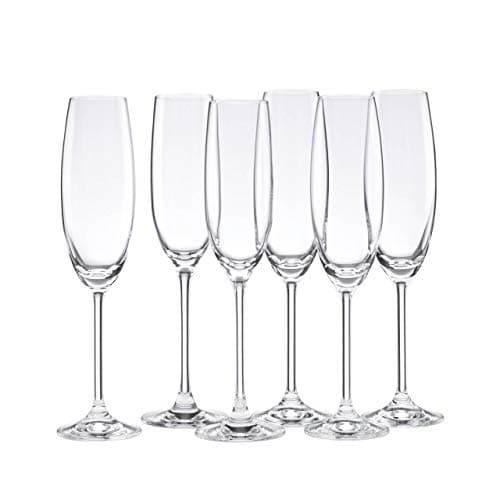
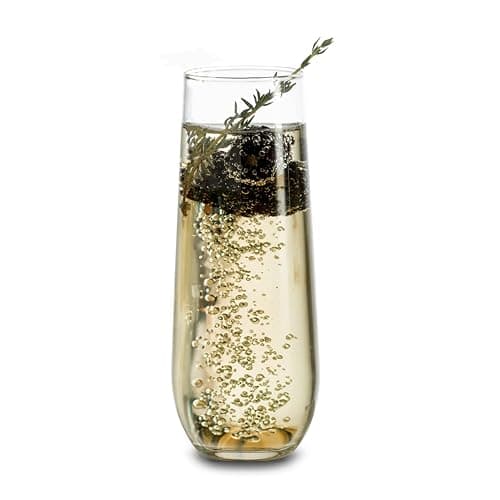
Three cocktail shapes cover almost everything: a rocks glass, a coupe and a highball. A coupe in particular does double duty as a Champagne glass, which is the single best space-saving decision in home glassware. The tools are a separate question, and a good bartender kit contains about six things you will genuinely use out of the twenty-four it ships with.
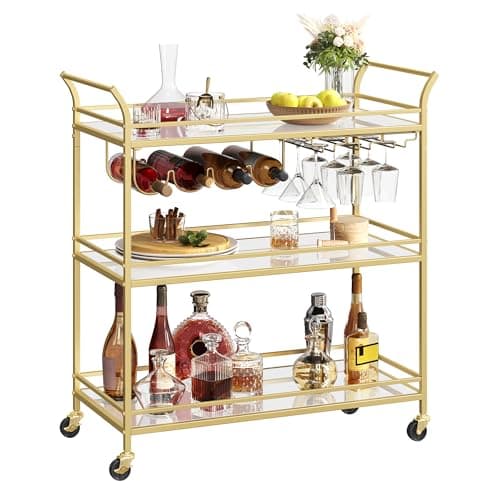
If it is all going to live somewhere, bar carts covers the furniture and how to style one so it reads as curated rather than stocked.
How many, which shape, and whether to decant
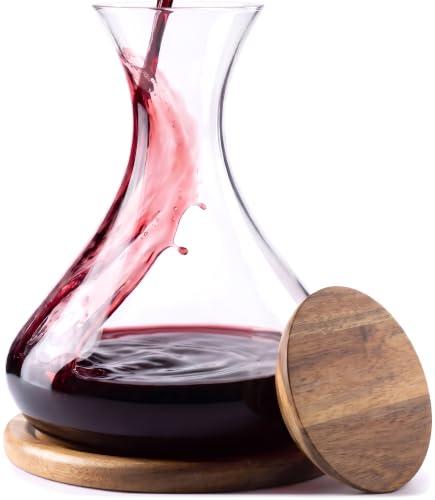
Three questions come up more than any others here. How many wine glasses you need is the one people get wrong — the answer is two to three per guest, not one. If you would rather buy by kit than by shape, the drinkware set guide covers the four glasses that actually get a party through the evening, and the best glasses for red wine handles the one varietal split worth caring about. Then there is whether a decanter is worth it, which has an honest answer: for some bottles, genuinely yes, and for most of what you open on a Tuesday, no.
Shapes, storage and the bar itself
The question we get asked most in this hub is whether the two wine glass shapes really differ — white wine glass vs red wine glass answers it, including whether you can use one for the other, and the best glasses for white wine covers the white side on its own. Once you own enough glasses the problem changes shape: how to store wine glasses settles rim up versus rim down and the space fixes that let you keep twelve. And if you are building the bar rather than the glass cupboard, home bar essentials is the short checklist: six tools, three glass shapes, somewhere to put them.
The one thing you cannot buy in advance
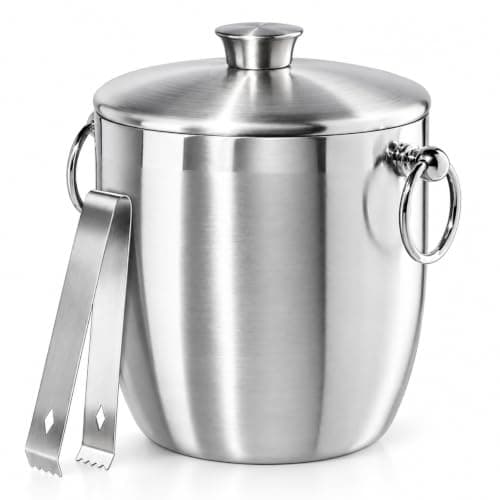
Ice has a shelf life measured in minutes, which is why it is the part of a drinks setup that goes wrong. The best ice buckets roundup is built around the one thing that matters — whether the ice survives the evening — and separates the double-walled, lidded buckets that work from the handsome single-wall ones that are really just bowls with handles.
Getting the drink to the glass
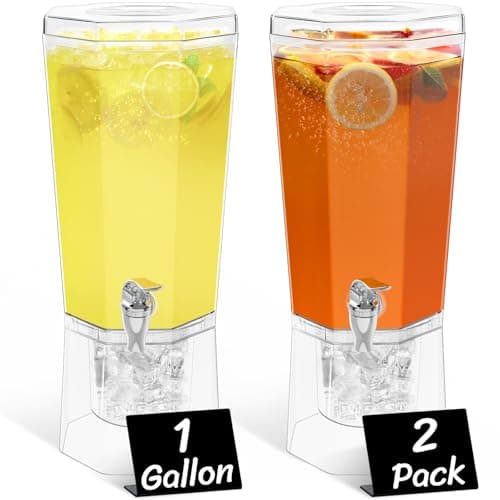
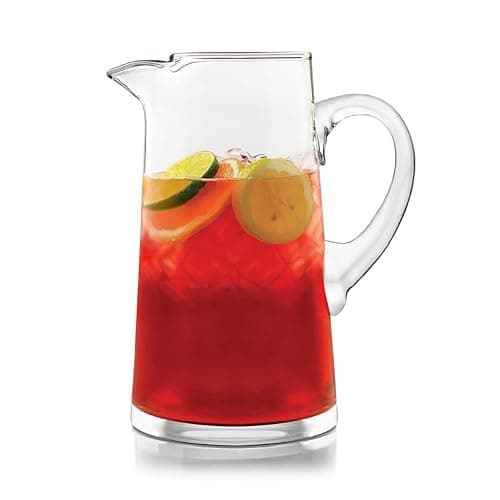
Most of the walking a host does on an evening is refills. The best pitchers for drinks roundup counts capacity in glasses rather than ounces, which is the only way the number means anything, and separates the glass pitcher that belongs on a laid table from the lidded one that holds a drink made the night before and the acrylic pair that goes outside. Above eight people pouring becomes a job, and the beverage dispensers take the host out of the loop entirely.
Serving a room rather than a table
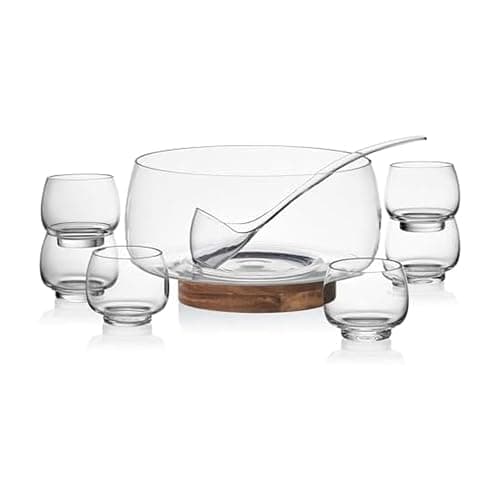
A bowl is the only drinks vessel that serves a whole room without somebody standing behind it. The best punch bowl sets roundup counts capacity the only way that means anything — cups poured after ice is in, not the volume printed on the box — and separates the glass bowls that earn a shelf from the acrylic ones that belong outdoors and the plastic sets bought for a single night. It also covers the one-block-of-ice rule that decides whether the punch is still good at nine o'clock.
Where the glassware lives in between
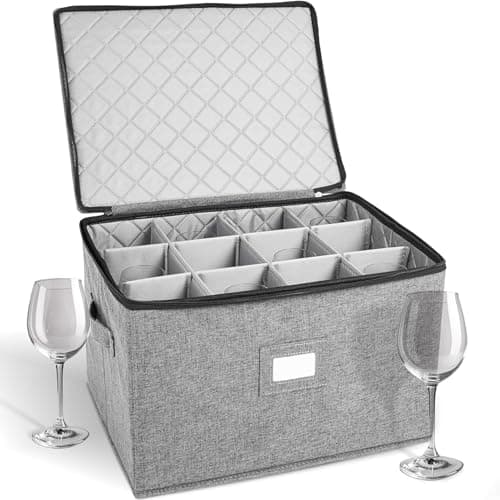
Most sets of wine glasses become sets of eleven, and it almost never happens while anybody is drinking. The best stemware storage splits the category by the question that actually decides it: whether the glasses come out weekly or once a year. Hard-shell cases with felt compartments protect the crystal and the flutes that go back in a cupboard; under-cabinet racks hang the everyday glasses by the foot and give a cabinet back. The page also names the measurement that rules most boxes out before you order one.
Keeping the bottle cold once it is open
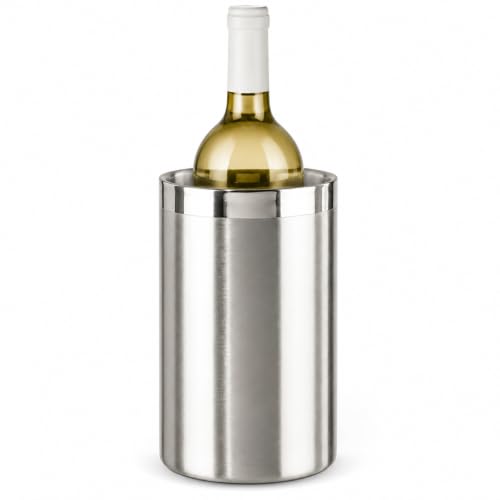
Half of this category holds a cold bottle cold and the other half makes a warm bottle cold, and buying the wrong half is why people decide wine chillers do not work. The best wine chillers roundup separates the iceless double-walled sleeves that belong on a laid table — dry on the outside, no meltwater, no ring on the cloth — from the ice-and-water buckets and tubs that are the only things here capable of cooling a bottle down. It also sets out why ice and water chills several times faster than ice alone, and why a wine chiller and a lidded ice bucket are not interchangeable.