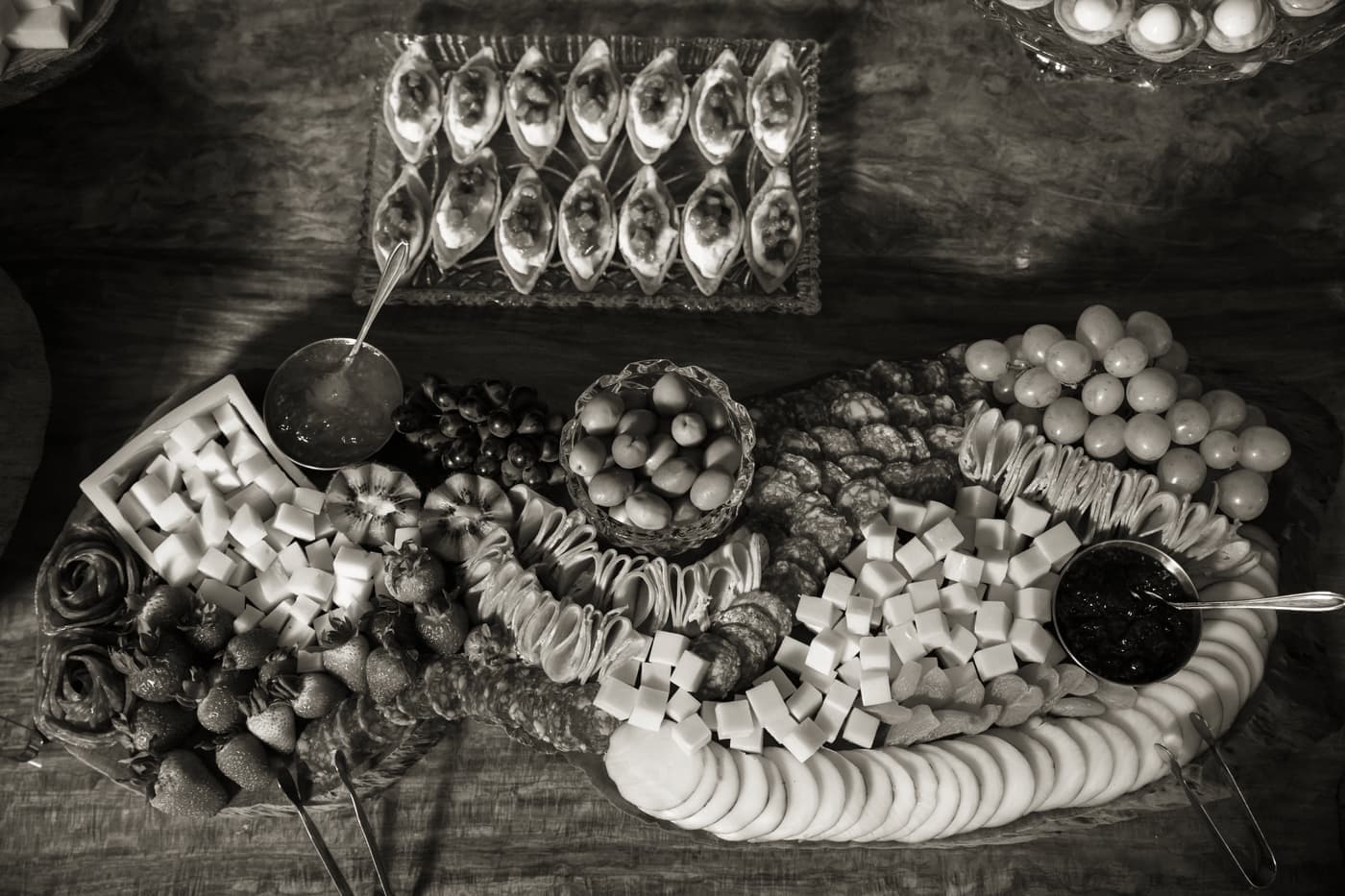
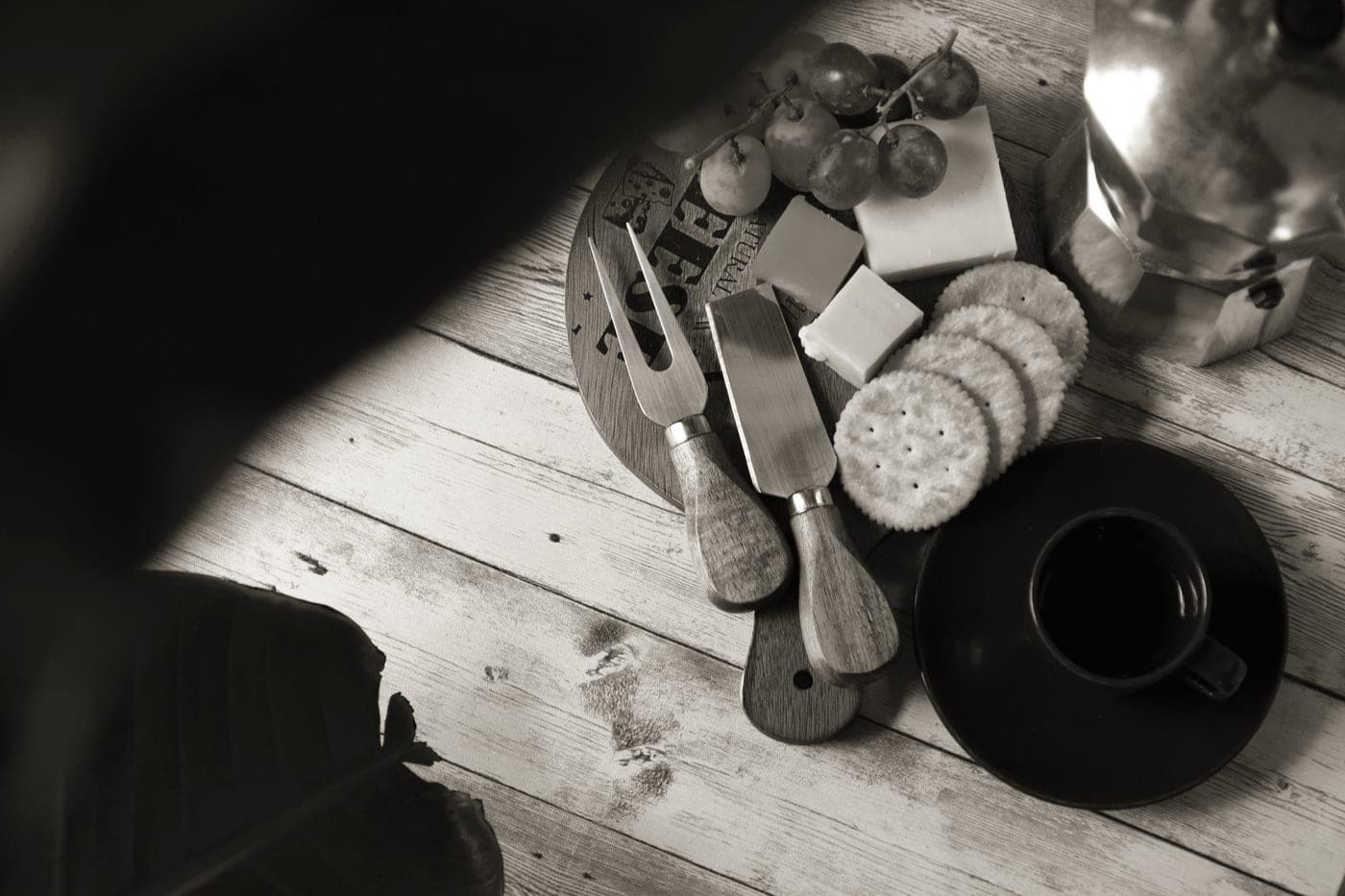
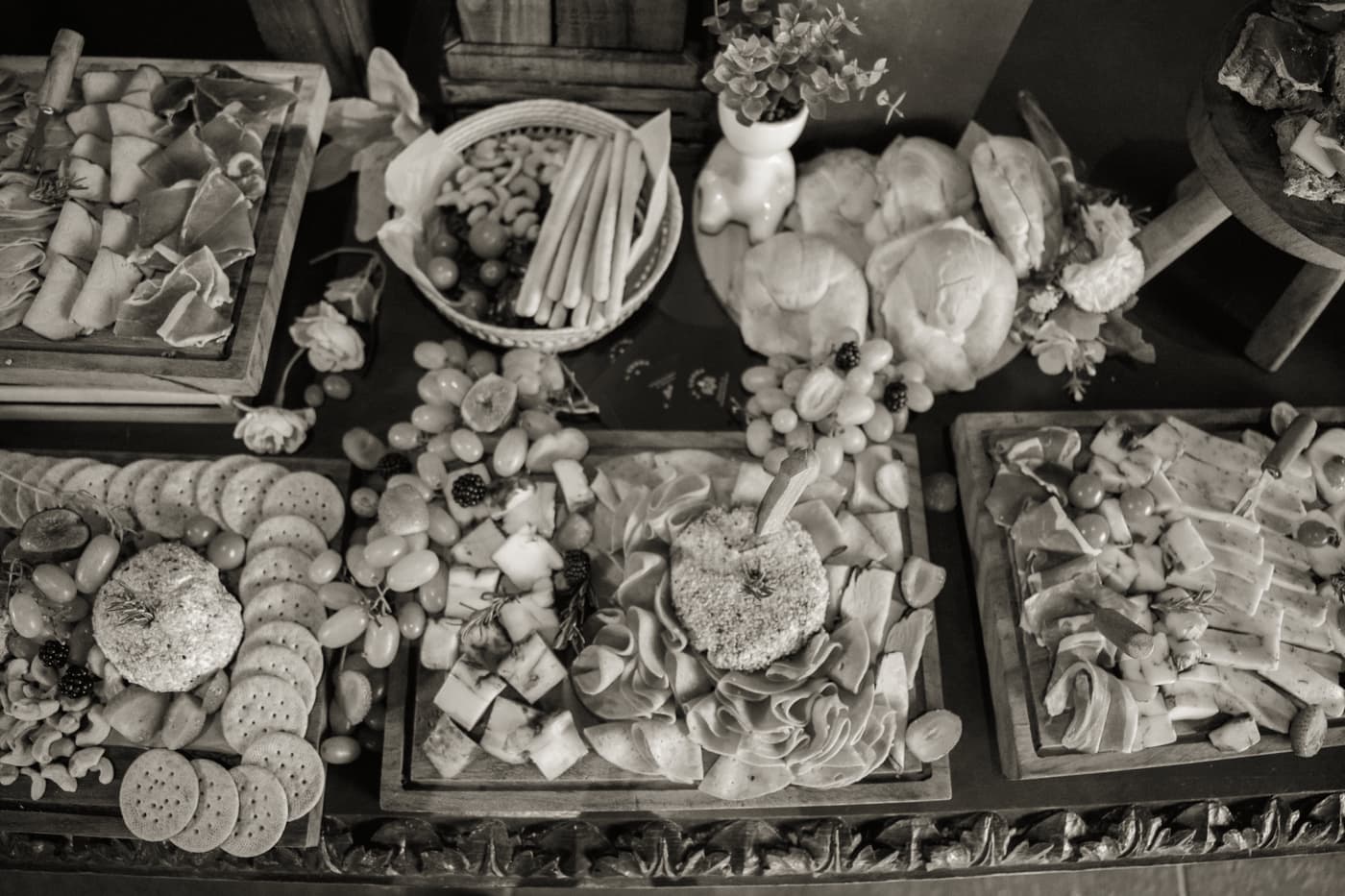
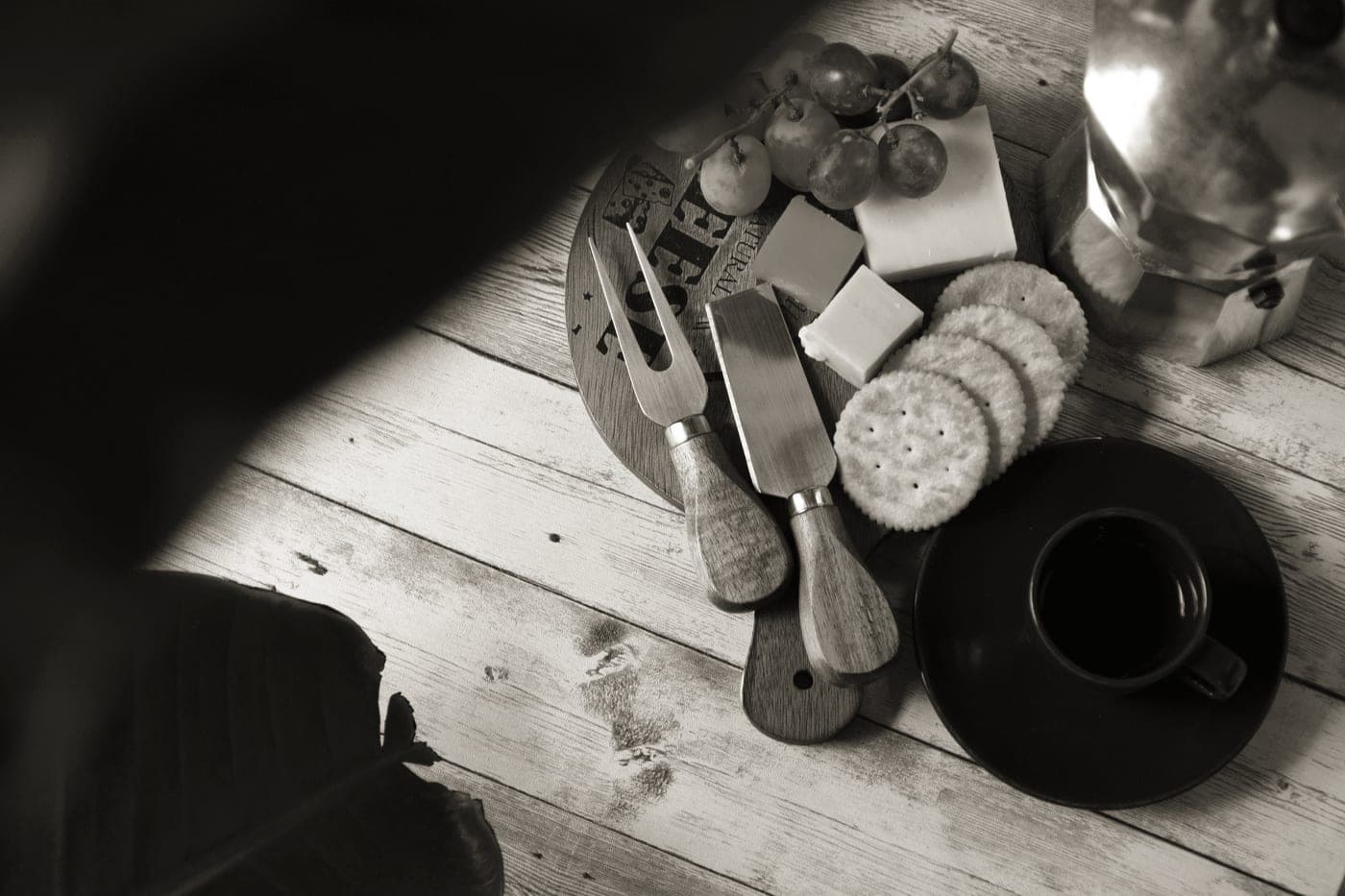
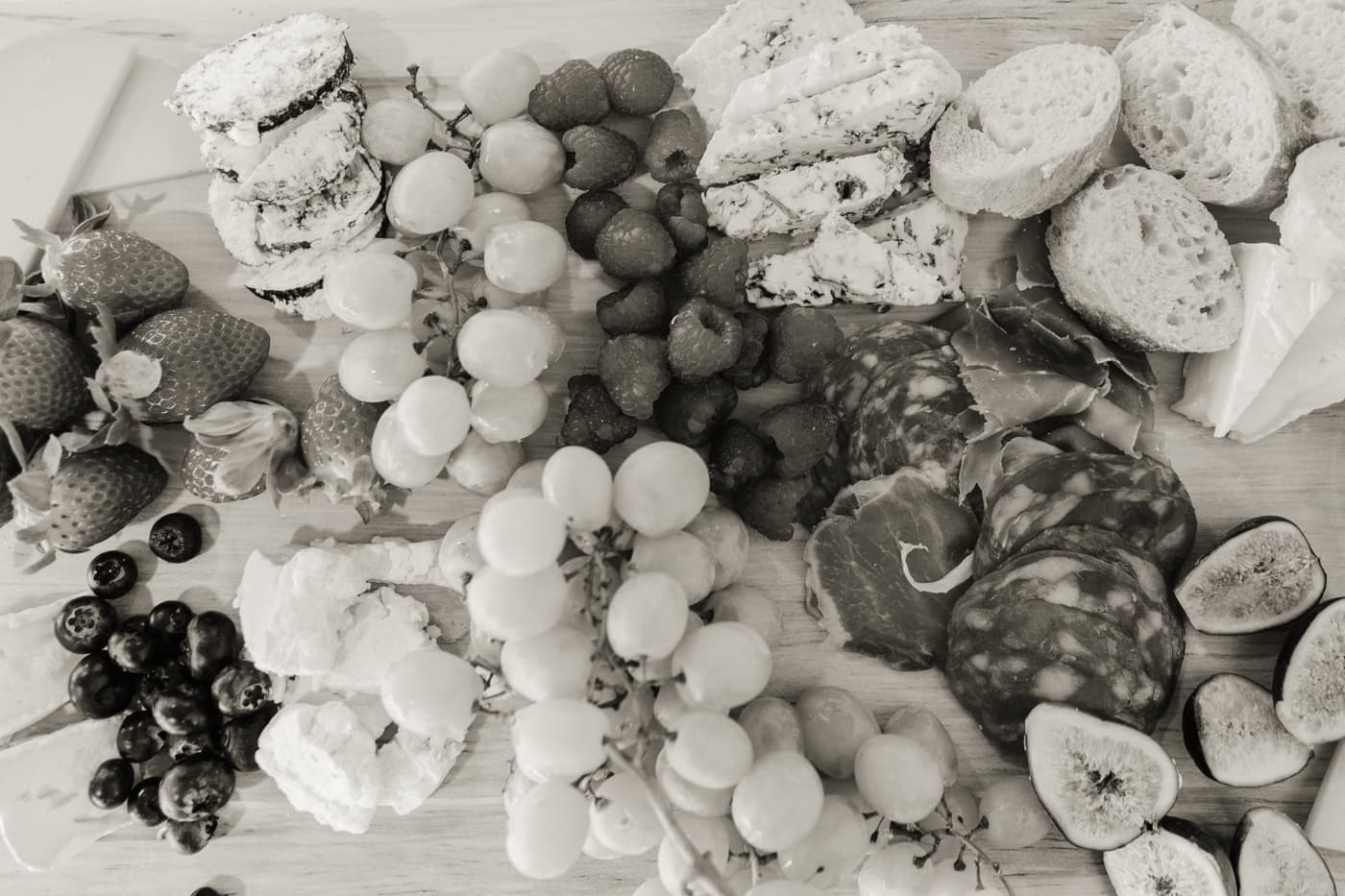
The board is the one thing people see before they taste anything. Here is how to choose it, sized to the number of people you are feeding.
Heads up: we earn a commission from qualifying purchases made through the links on this page, at no extra cost to you. It never changes which products we pick or the order we rank them in. Full disclosure.
A board is the easiest thing you can put in front of people and the hardest to get wrong expensively. It needs no cooking, it holds for hours, and it absorbs late arrivals without anything spoiling. It is also the single most common first purchase for anyone who has decided they want to host more.
Buy for your guest count, not for the material
Almost every board guide leads with acacia versus bamboo versus marble. That is the second question. The first is how many people are standing around it, because a board that is too small turns you into a refill service for the entire evening while everyone else enjoys themselves.
Board size
Comfortable for
10 to 12 in
2 to 4 people
13 to 16 in
4 to 8 people — the most useful single size to own
18 to 20 in
8 to 14 people
Two boards
15 and up — two serving points beat one large board
The full size guide goes further, including the point above about twenty guests where area stops being the constraint and access becomes it.
What the materials actually change
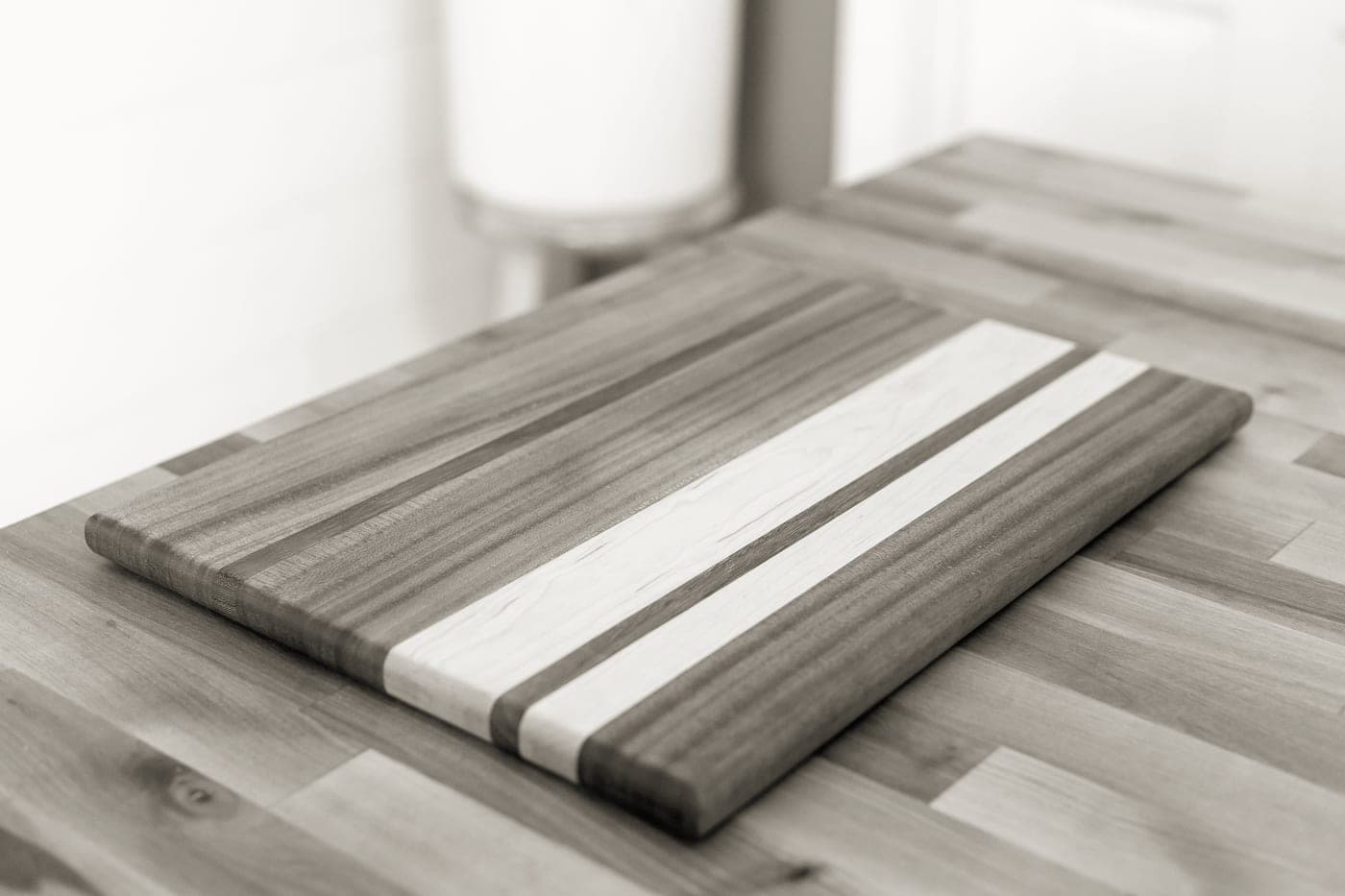
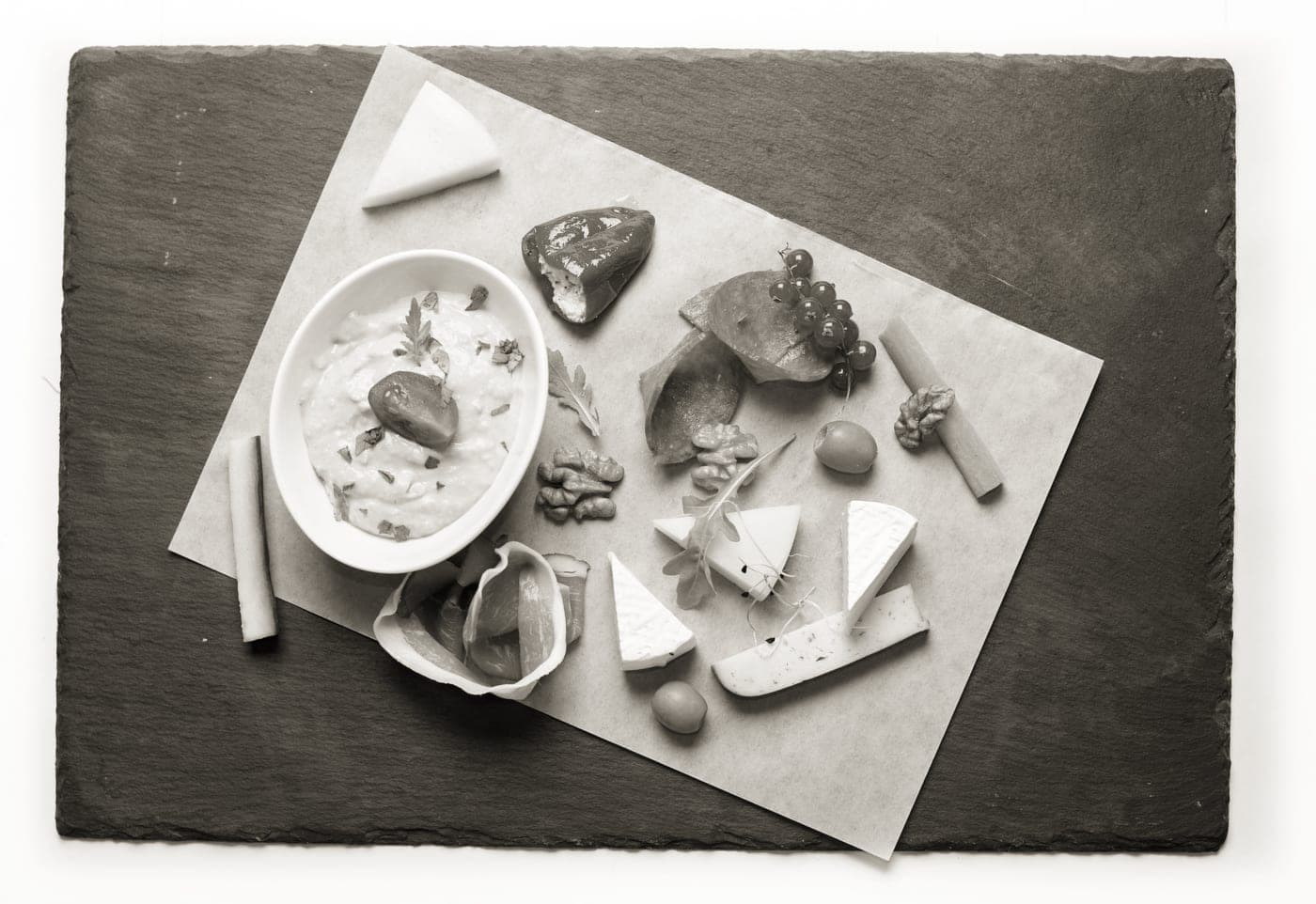
Acacia is a dense hardwood with real grain variation. It looks like furniture rather than kitchenware and it needs food-safe oil a few times a year to stay that way. Bamboo is lighter, cheaper and effectively maintenance-free, at the cost of a flat uniform grain. Marble holds cold, which genuinely keeps a soft cheese servable an hour longer, and it is heavy, porous and hard on knives. Slate gives dark contrast and takes chalk, so you can label cheeses.
The practical upshot is that most people should own one wooden board, and anyone who serves a lot of soft cheese should add a small stone one alongside it rather than instead of it. We compare all four in acacia vs bamboo vs marble and marble vs slate.
Where the money actually matters
Not on the board. The gap between a good budget board and an expensive one is mostly appearance. The gap between the knives bundled with a board and a real set of cheese knives is functional: bundled knives handle soft cheese fine and skate off anything hard and aged, which is the cheese everyone wants a second piece of.
If you are buying from nothing, a set with knives in a drawer is the efficient purchase. If you already own knives, buy a bare board and spend the difference on size.
Then there is the part nobody sells you
Owning the board is half of it. What goes on it, how much of it, and in what order you place things is the difference between a board that looks abundant and a board that looks like items on wood. That is covered in how to build a charcuterie board and the full shopping list, both of which include quantities per guest.