How to Keep Food Warm for a Party
Your oven on its lowest setting is a warming drawer. The trick is knowing the temperature to hold at and which dishes survive the wait.
Heads up: we earn a commission from qualifying purchases made through the links on this page, at no extra cost to you. It never changes which products we pick or the order we rank them in. Full disclosure.
Quick picks
Tap any row to jump to the full write-up further down the page.
| # | Product | Best for | Score | Price |
|---|---|---|---|---|
| 1 | 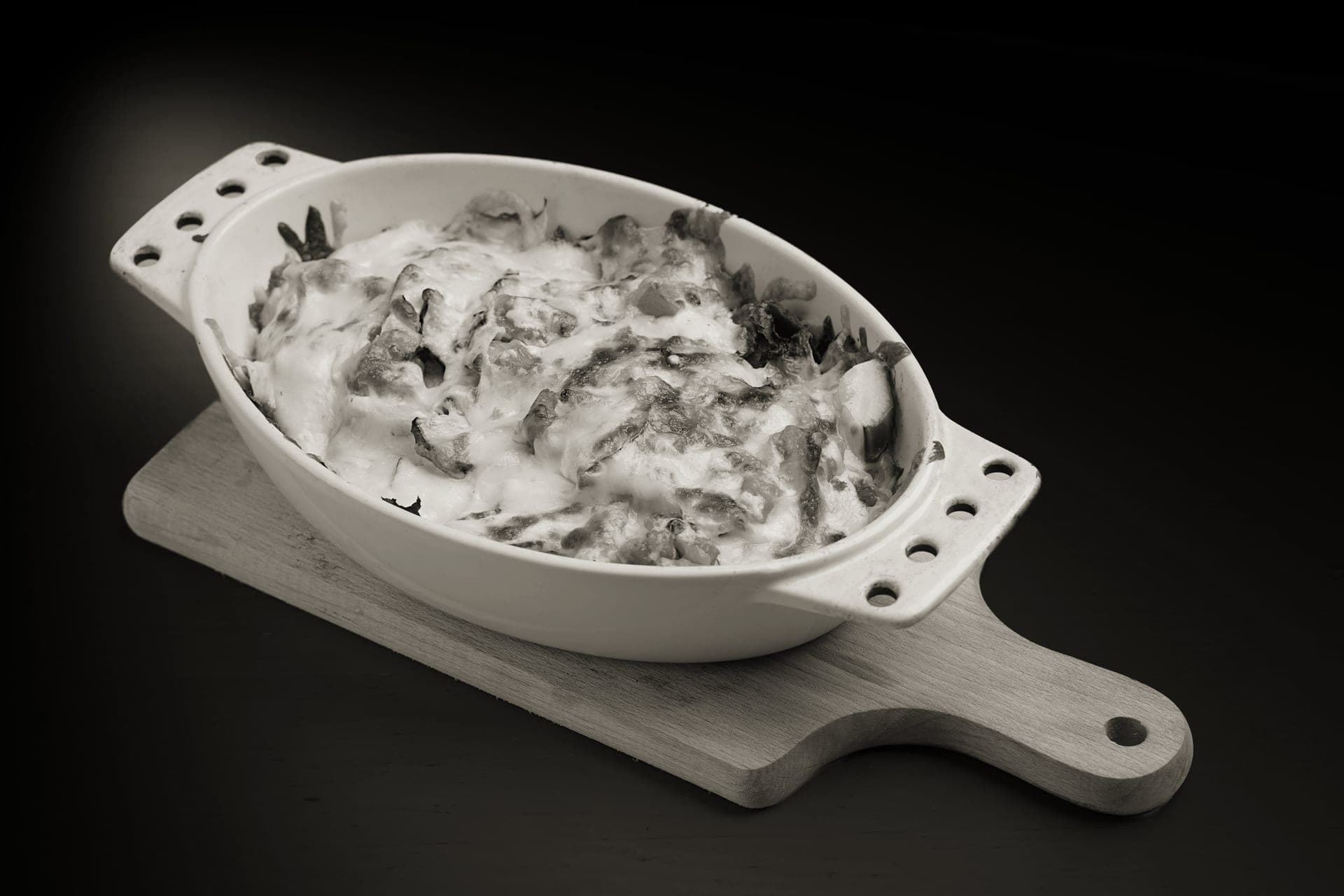 Anchor Hocking TrueLock 9x13 Glass Baking Dish with LidMake-ahead and travel | Make-ahead and travel | 8.1 | Check price on Amazon #ad We may earn a commission · Live price on Amazon — it changes often |
| 2 | 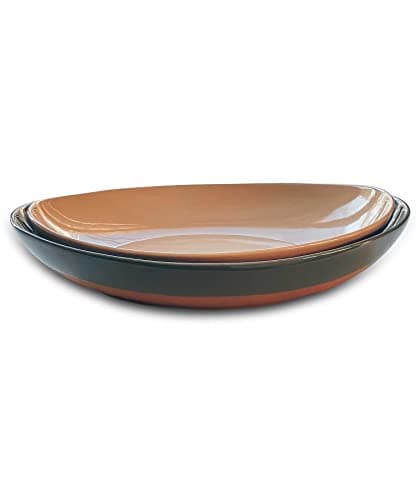 Mora Ceramic Serving BowlsOven to table | Oven to table | 8.3 | $49.99 · View on Amazon #ad We may earn a commission · Price as of November 2, 2026 |
| 3 | 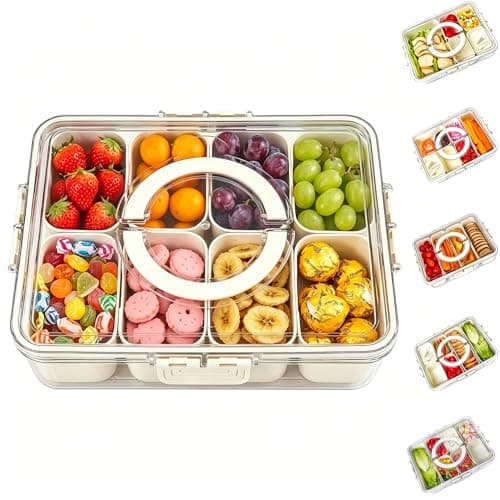 Bandesun Divided Serving Tray with LidMake-ahead | Make-ahead | 7.6 | $11.99 · View on Amazon #ad We may earn a commission · Price as of November 2, 2026 |
| 4 | 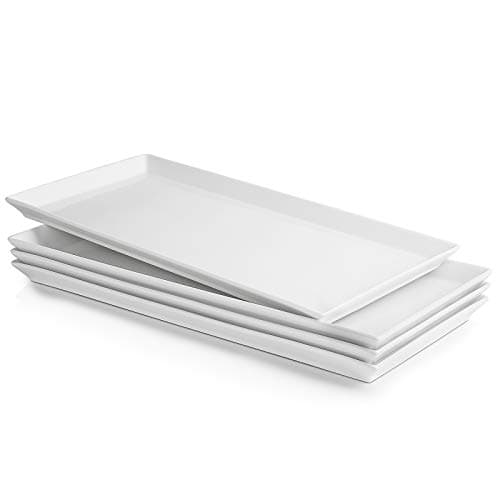 Sweese Porcelain Serving Platter SetPlatters | Platters | 8.4 | $53.99 · View on Amazon #ad We may earn a commission · Price as of November 2, 2026 |
Scores are our editorial rating, not a lab test result — see how we pick.
Hold food at 200 to 250F in the oven, covered, in the dish you will serve it from. That is the answer for almost every party dish and it needs no equipment you do not own. The number matters because the USDA danger zone runs from 40 to 140F, and a home oven on its lowest setting sits well clear of the top of it without continuing to cook what is inside.
Holding times by dish
| Dish | Holds well for | Cover? | Note |
|---|---|---|---|
| Braises, stews, chili | 2 hours or more | Yes | Often better after holding |
| Casseroles and baked pasta | 2 hours | Yes | Add a splash of liquid if it dries |
| Meatballs, pulled meat, dips | 3 hours | Yes | Slow cooker on warm is ideal |
| Roast vegetables | 45 minutes | Vented | A full cover turns them soft |
| Anything fried or crisp | 20 to 30 minutes | No | Single layer on a rack, uncovered |
| Roast meat | Rest 20 to 30 minutes | Loosely | Rest it, do not hold it for an hour |
| Rice and grains | 1 hour | Yes | Fork through before serving |
| Bread and rolls | Warm at the last minute | In a cloth | Holding dries them out |
The oven method, in order
- Set the oven to its lowest setting, or 200 to 250F if it goes that low precisely. A warm or proof setting is usually in this band.
- Cook the dish as normal, then move it to the holding oven in the vessel it will be served from. Every transfer loses heat.
- Cover anything that should stay moist. Leave anything crisp uncovered and spread in a single layer.
- Put the serving platters in too, on a lower shelf. Warm dishes are the cheapest part of this.
- Pull each dish out as it is served rather than all at once, so the later courses are still holding at temperature.
Which dishes hold heat and which do not
Thermal mass does the work. A heavy stoneware or glass dish holds a large amount of heat and gives it back slowly, so food in it cools from the top down over an hour. A thin metal tray has almost no mass and goes cold within minutes of leaving the oven.
That is why the right vessel matters more than any gadget. The Anchor Hocking TrueLock is tempered glass with a locking vented lid, which means it goes oven to table and travels without leaking. Mora ceramic bowls are oven, microwave, dishwasher and freezer safe, so one dish covers cooking, holding and serving. Whether your existing stoneware can go in the oven at all is covered in is stoneware oven safe.
With no oven free, and no power
- The cooler trick. A hot covered dish wrapped in towels inside a closed cooler stays above serving temperature for two to three hours. Coolers insulate in both directions, and nothing else in a house is as good at this.
- Towels and a closed box. The same principle at smaller scale. Wrap the dish, put it in a cardboard box, close it.
- Hot water underneath. A larger roasting pan of very hot water with the serving dish set inside it is a improvised bain marie and holds gentle heat for about an hour.
- Serve in waves. The real solution when there is no holding capacity: cook in two batches and bring the second out halfway through. Easier than fighting the physics.
Plan the menu around it
The least stressful party menu is mostly things that do not care about timing. One dish that holds for hours, one or two cold dishes, and at most one thing that has to come straight out of the oven to the table. Trying to serve three crisp dishes at once is what makes hosting feel impossible.
Cold dishes have their own clock, and it is shorter — see how to keep a charcuterie board cold. The layout that lets you swap dishes without rebuilding the table is in how to set up a buffet table.
What helps
- Anchor Hocking TrueLock: 3 quart tempered glass, 9 x 13 in, locking lid with a vent, extra-large handles. Fridge, oven, table and travel in one dish.
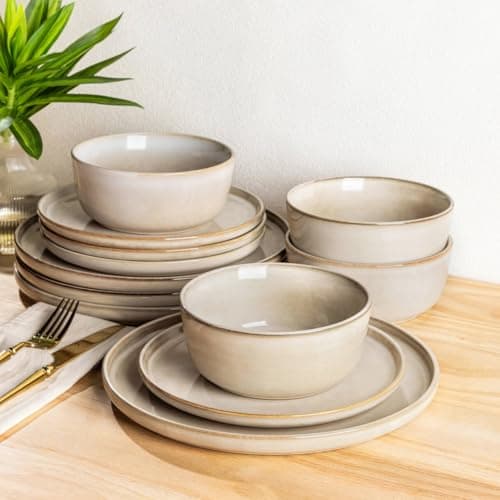
- Mora ceramic bowls: oven, microwave, dishwasher and freezer safe, so the cooking vessel is the serving vessel.
- Bandesun divided tray with lid: for the make-ahead cold half of the table, fridge-friendly and lidded.
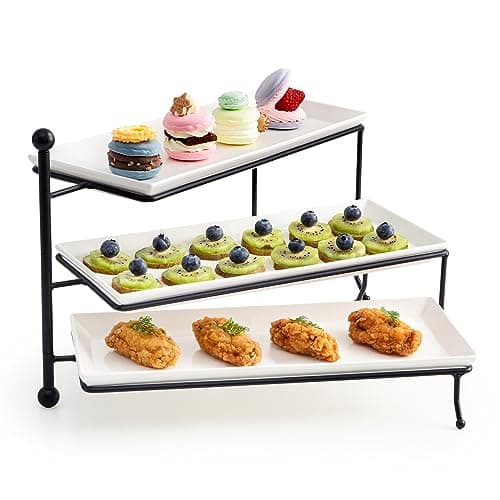
- Sweese porcelain platters: oven, microwave and dishwasher safe, so they can be warmed before food goes on them.
Reheating is not holding
Holding keeps food that is already hot above 140F. Reheating brings cold food back up through the danger zone, and it needs real heat rather than a warming setting. A 200F oven will take a cold casserole hours to reach temperature, and for most of those hours it will be sitting in exactly the range you are trying to avoid.
So reheat properly at 325 to 350F until the center is hot, then drop the oven to the holding temperature. The same applies to a slow cooker: excellent for holding, wrong for reheating, because it climbs too slowly to be safe with anything that started cold.
The two-hour rule works both ways
Hot food held above 140F is fine for the length of a party. Hot food sitting out at room temperature is on the same clock as a cheese board — about two hours, and one if the room is warm. That is the number to plan around for anything that comes out of the oven and stays on the table.
The picks in full
We have not lab-tested these products. Picks are chosen from live listings, sustained customer feedback at scale, material quality and fit for hosting — our full methodology.
Representative category photo, not the product listing image.
1. Anchor Hocking TrueLock 9x13 Glass Baking Dish with Lid
The dish you make the stuffing in on Wednesday, lock a lid onto, and carry to somebody else's house on Thursday without it moving.
Key specs
- Tempered glass, 3 quart, 9 x 13 in
- Locking lid with a built-in vent
- Extra-large handles
- Freezer, oven, table and fridge
What works
- The locking lid is the difference between transporting a dish and hoping
- Glass goes from fridge to oven to table, so the food is only ever in one dish
- 9 x 13 is the size almost every casserole recipe is written for
What does not
- Like every plastic lid, it goes on after the dish leaves the oven, never into it
- Glass is heavy and unforgiving when it meets a tile floor
- Clear glass shows every baked-on edge, so it wants washing promptly
#ad We may earn a commission · Live price on Amazon — it changes often
Product image from Amazon, refreshed daily.
2. Mora Ceramic Serving Bowls
Built to go from oven to table without a transfer step, which removes both a dish to wash and the moment where a hot dish gets dropped.
Key specs
- Ceramic
- Oven, microwave, dishwasher and freezer safe
- Matte exterior finish
What works
- Full temperature range means one dish covers cook, store and serve
- Matte finish resists the scratching a gloss glaze shows
- Sizes suit both sides and mains
What does not
- Matte exterior holds greasy marks until washed
- Plainer than the reactive-glaze options
#ad We may earn a commission · Price as of November 2, 2026
Product image from Amazon, refreshed daily.
3. Bandesun Divided Serving Tray with Lid
Compartments plus a lid, which means you can build the snack tray in the morning, put it in the fridge and carry it out when people arrive.
Key specs
- Divided compartments
- Fitted lid
- Fridge-friendly
- Dishwasher safe
What works
- Make-ahead is the single biggest time saver when hosting
- Lid stops the fridge drying everything out
- Compartments keep wet and dry snacks apart
What does not
- Plastic-and-lid construction looks less good on the table than wood
- Compartment sizes are fixed, so odd items do not fit
#ad We may earn a commission · Price as of November 2, 2026
Product image from Amazon, refreshed daily.
4. Sweese Porcelain Serving Platter Set
Plain white porcelain platters that make the food the thing on the table. The most useful serveware you can own, and the least interesting to shop for.
Key specs
- White porcelain
- Rectangular and oval shapes
- Oven, microwave and dishwasher safe
- Sold in sets
What works
- White makes every food look better than a patterned plate does
- Oven-safe means you can cook and serve in one dish
- Stacks flat, which matters when you own several
What does not
- Heavier than melamine for outdoor use
- Porcelain chips if you stack it carelessly
#ad We may earn a commission · Price as of November 2, 2026
Common questions
How do you keep food warm for a party?
Hold it in the oven at 200 to 250F, covered, in the dish it will be served from. That is above the 140F food-safety line with margin and low enough that nothing continues cooking quickly. It works for one to two hours for most dishes without a warming tray or chafing dish.
What temperature should I keep food warm at?
Above 140F for safety, and 200 to 250F in practice because home ovens are not accurate at their lowest settings. The 40 to 140F band is where bacteria multiply fastest, so holding comfortably above it is the whole point.
How long can you keep food warm before it suffers?
Roughly two hours for most dishes, and far less for some. Anything crisp loses its crust within thirty minutes under a cover; braises, stews and casseroles hold for two hours or more and sometimes improve. Roast meat should be rested rather than held.
How do you keep food warm without electricity?
Insulation and thermal mass. A heavy dish holds heat far longer than a thin one, a lid keeps it in, and a dish wrapped in towels inside a closed cooler stays hot for hours. Preheating the serving dish with hot water before food goes in buys another twenty minutes.
Does covering food with foil keep it warm?
It slows the loss and it softens anything crisp. Foil traps steam, so it is right for braises, rice and vegetables and wrong for anything fried or roasted that you want crunchy. Vent the foil at one corner if the dish has a crust worth saving.
Should I warm the serving dishes?
Yes, and it is the step most people skip. A cold platter pulls heat out of food immediately. Run the dishes under hot water or sit them in a low oven for ten minutes, and food served onto them stays hot noticeably longer.
Can I use a slow cooker to hold food?
On its warm setting, for wet dishes only. A slow cooker is excellent for meatballs, chili, pulled meat and dips, and poor for anything you want dry or crisp, because it is a sealed humid environment. Do not use it to reheat cold food to serving temperature.