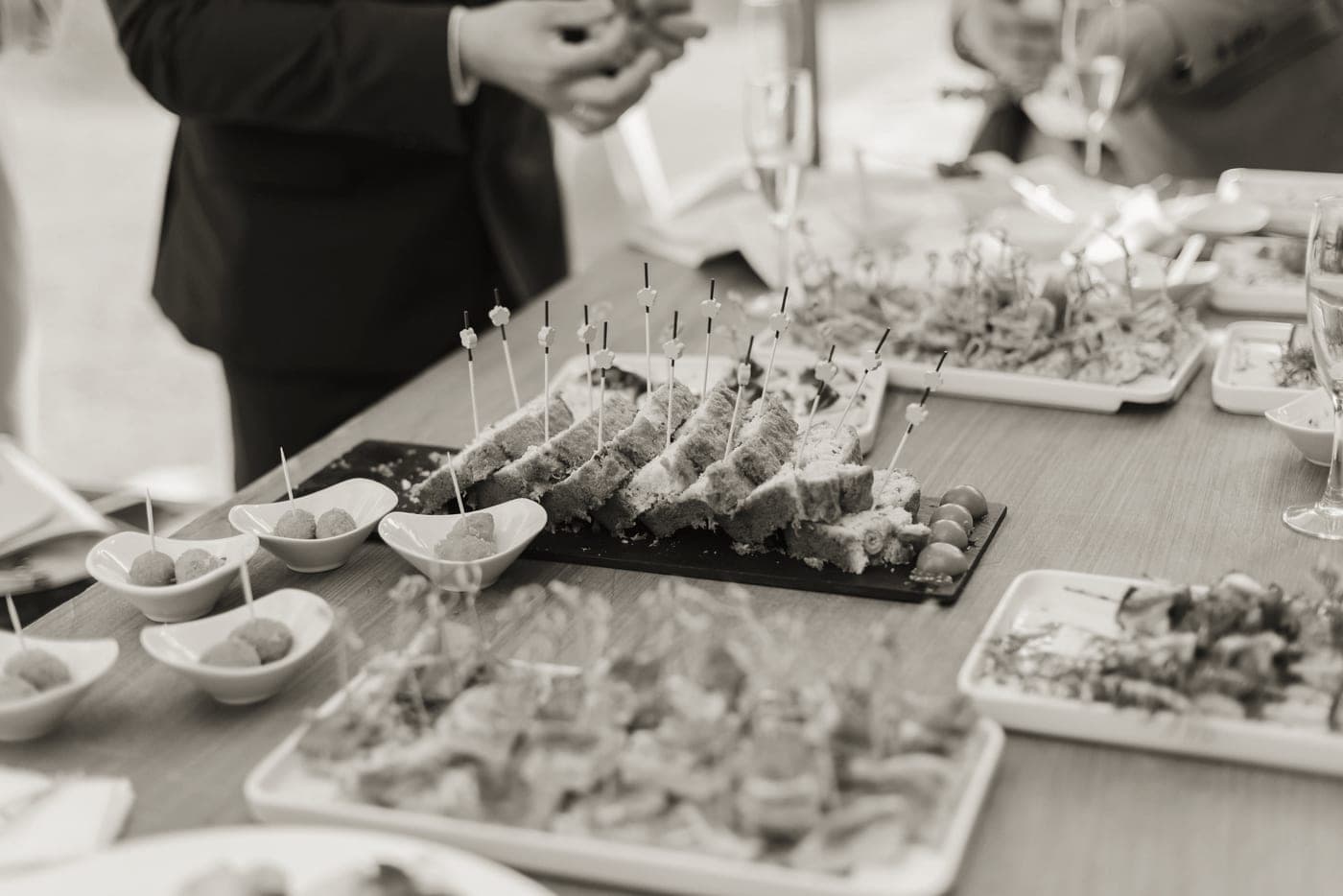
Charcuterie Board vs Platter
Wood or ceramic. It sounds like a style question and it is partly a practical one: they handle wet food, heat and cleaning completely differently.
Heads up: we earn a commission from qualifying purchases made through the links on this page, at no extra cost to you. It never changes which products we pick or the order we rank them in. Full disclosure.
Quick picks
Tap any row to jump to the full write-up further down the page.
| # | Product | Best for | Score | Price |
|---|---|---|---|---|
| 1 | Sweese Porcelain Serving Platter SetPlatters | Platters | 8.4 | Check price on Amazon #ad We may earn a commission · We do not print prices — see the live one on Amazon |
| 2 | 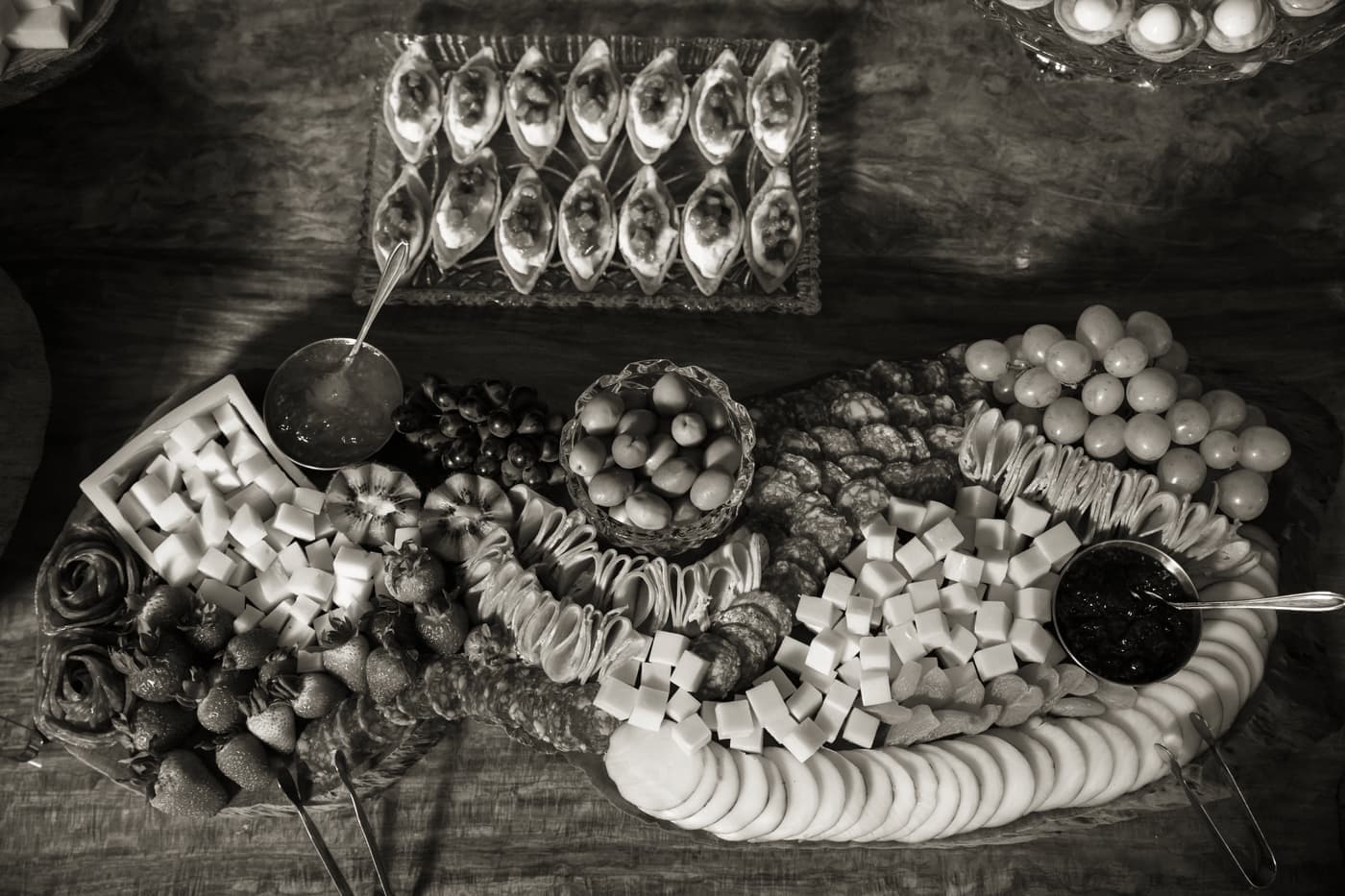 Shanik Acacia Wood Charcuterie BoardA board you keep | A board you keep | 8.6 | Check price on Amazon #ad We may earn a commission · We do not print prices — see the live one on Amazon |
| 3 | 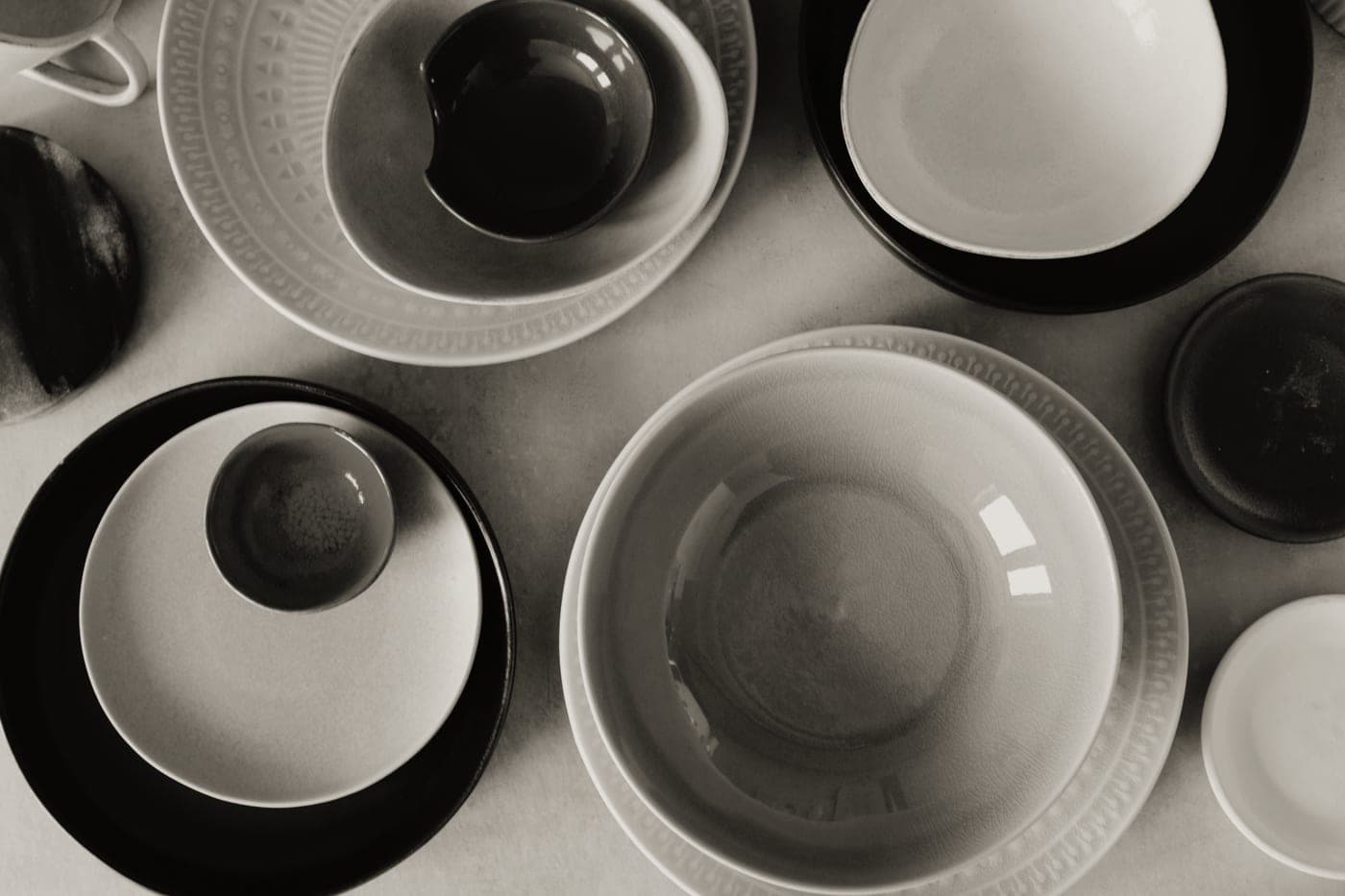 LE TAUCI Ceramic Serving BowlsLooks on the table | Looks on the table | 8.0 | Check price on Amazon #ad We may earn a commission · We do not print prices — see the live one on Amazon |
Scores are our editorial rating, not a lab test result — see how we pick.
The short answer: board for dry food, platter for wet food. Most good spreads use both, and if you own one board and two plain platters you can serve almost anything.
Side by side
| Wooden board | Ceramic platter | |
|---|---|---|
| Wet and oily food | Poor — absorbs and stains | Excellent — contains and wipes |
| Hot food | No | Yes, many are oven safe |
| Dishwasher | Never | Yes |
| Upkeep | Oil periodically | None |
| Looks warm on a table | Yes | Neutral — makes food the focus |
| Weight | Moderate to heavy | Heavy for its size |
| Breaks if dropped | No | Yes |
Where each one wins
Board: cured meat, hard cheese, bread, crackers
Dry food looks better on wood than on white ceramic. There is no functional reason for this; it is simply that warm grain flatters food and a flat white surface does not. For a spread that is mostly dry, buy the board.
Platter: anything with liquid, and anything warm
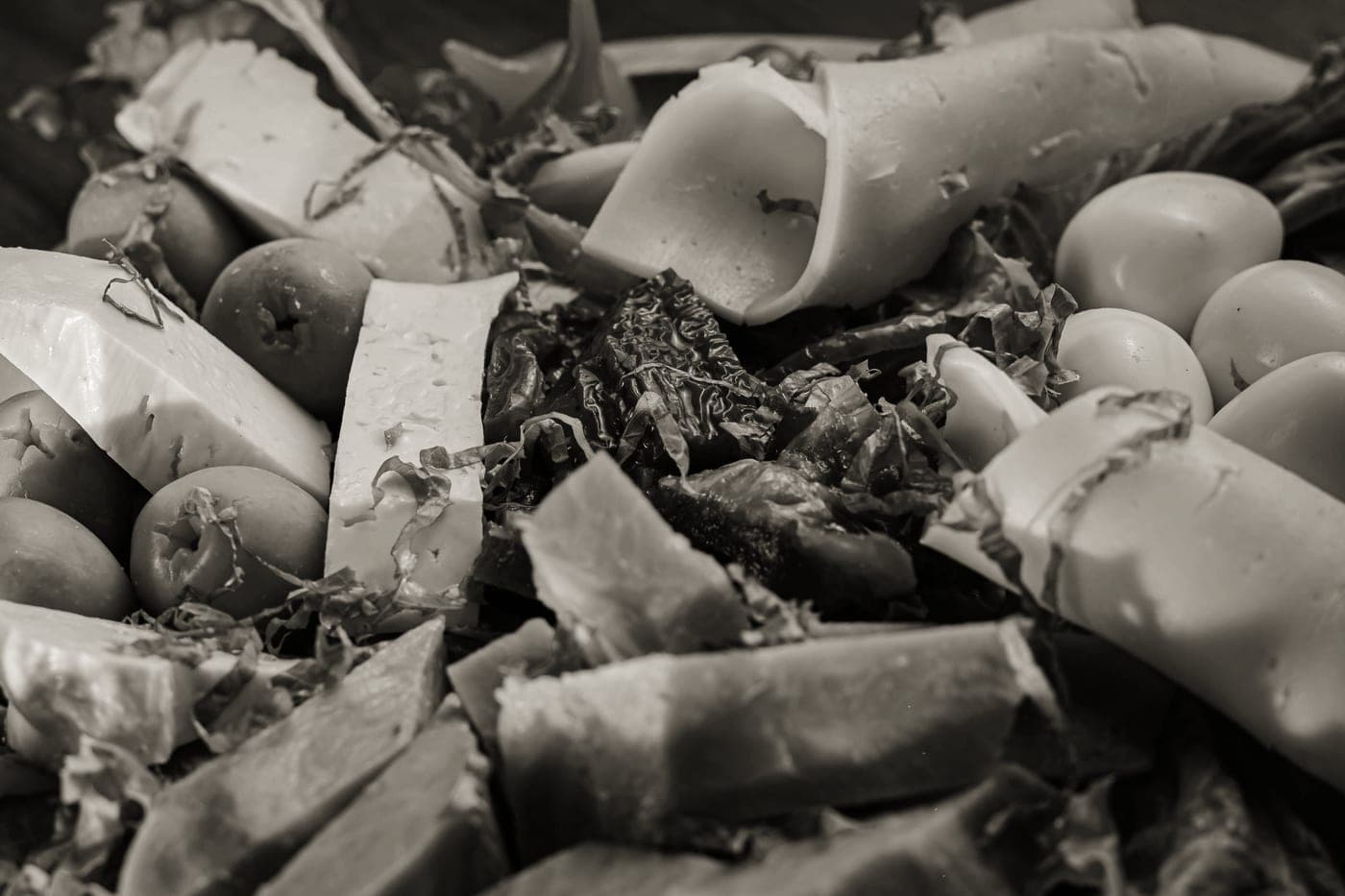
Marinated peppers, olives in oil, a dip, roasted vegetables straight from the oven. All of these ruin a wooden board over time and sit perfectly on porcelain. Plain white also makes colored food look considerably better, which is why restaurants use it.
Our platter picks and serving bowls cover the options.
The picks in full
We have not lab-tested these products. Picks are chosen from live listings, sustained customer feedback at scale, material quality and fit for hosting — our full methodology.
Representative category photo, not the product listing image.
1. Sweese Porcelain Serving Platter Set
Plain white porcelain platters that make the food the thing on the table. The most useful serveware you can own, and the least interesting to shop for.
Key specs
- White porcelain
- Rectangular and oval shapes
- Oven, microwave and dishwasher safe
- Sold in sets
What works
- White makes every food look better than a patterned plate does
- Oven-safe means you can cook and serve in one dish
- Stacks flat, which matters when you own several
What does not
- Heavier than melamine for outdoor use
- Porcelain chips if you stack it carelessly
#ad We may earn a commission · We do not print prices — see the live one on Amazon
Representative category photo, not the product listing image.
2. Shanik Acacia Wood Charcuterie Board
Heavier and more figured than any bamboo board, with grain variation that means no two look alike. This is the one that stays out on the counter rather than going back in the cupboard.
Key specs
- Solid acacia
- Noticeably thicker than bamboo boards
- Juice groove on most sizes
- Reversible
What works
- Acacia's color variation reads as furniture, not kitchenware
- Thick enough that it does not flex when you carry it loaded
- Doubles honestly as a cutting board
What does not
- Heavy once it is full, which matters if you are carrying it outside
- Needs oiling a few times a year or it goes dull and gray
#ad We may earn a commission · We do not print prices — see the live one on Amazon
Representative category photo, not the product listing image.
3. LE TAUCI Ceramic Serving Bowls
Reactive-glaze ceramic bowls that carry color and texture, for when the serving bowl is part of the table rather than a container.
Key specs
- Stoneware and ceramic
- Reactive glazes
- Range of sizes
What works
- Glaze variation makes a plain salad look considered
- Heavier walls hold temperature longer
- Colors coordinate across the range
What does not
- Reactive glazes vary piece to piece
- Heavier to pass around a table
#ad We may earn a commission · We do not print prices — see the live one on Amazon
Common questions
Should I serve charcuterie on a board or a platter?
A board for dry items like cured meat, hard cheese and crackers, because wood looks warmer and food sits well on it. A platter for anything wet or oily — marinated vegetables, olives, dips — because ceramic contains liquid and washes properly.
Can you put hot food on a charcuterie board?
Not directly. Wood does not like heat and a hot dish will mark or warp it. Use a ceramic platter for anything warm, or set the hot item in a small bowl placed on the board.
Are platters easier to clean than boards?
Considerably. A porcelain platter goes in the dishwasher; a wooden board is hand wash only and needs periodic oiling. If low maintenance matters to you, platters win outright.