Stoneware vs Porcelain vs Melamine
Three materials that look similar in a photograph and behave completely differently in a kitchen. This is the comparison that should come before you pick a pattern.
Heads up: we earn a commission from qualifying purchases made through the links on this page, at no extra cost to you. It never changes which products we pick or the order we rank them in. Full disclosure.
Quick picks
Tap any row to jump to the full write-up further down the page.
| # | Product | Best for | Score | Price |
|---|---|---|---|---|
| 1 | 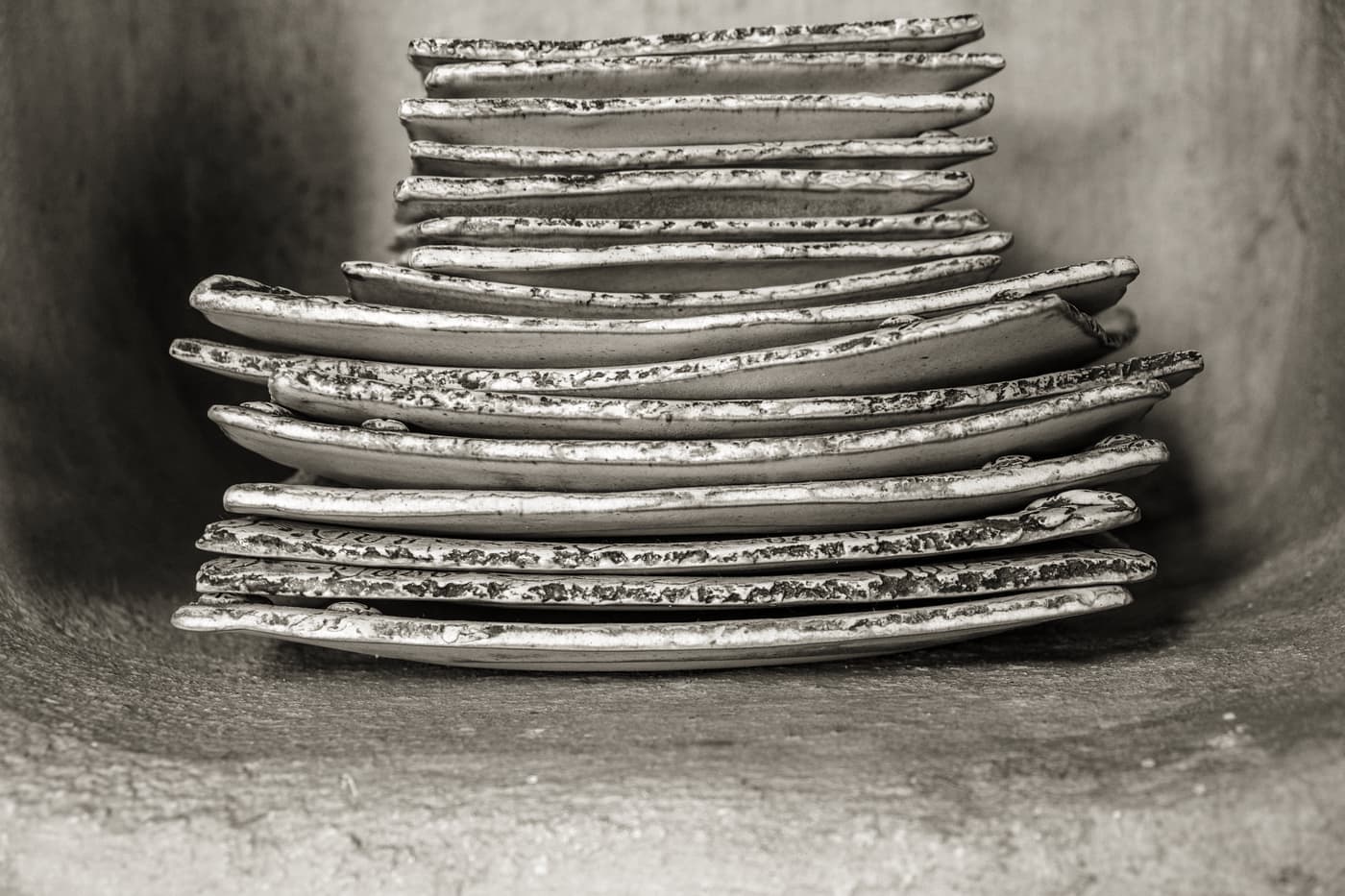 AmorArc Stoneware Dinnerware SetBest overall | Best overall | 8.8 | Check price on Amazon #ad We may earn a commission · We do not print prices — see the live one on Amazon |
| 2 | Corelle Vitrelle Dinnerware SetChip resistance | Chip resistance | 8.8 | Check price on Amazon #ad We may earn a commission · We do not print prices — see the live one on Amazon |
| 3 | Lenox French Perle DinnerwareRegistry and special occasion | Registry and special occasion | 8.3 | Check price on Amazon #ad We may earn a commission · We do not print prices — see the live one on Amazon |
Scores are our editorial rating, not a lab test result — see how we pick.
The short answer: stoneware for casual everyday use and looks, porcelain for a formal table and lighter weight, melamine for outdoors only, and Corelle's laminated glass if surviving drops beats everything else.
Side by side
| Stoneware | Porcelain | Melamine | Vitrelle glass | |
|---|---|---|---|---|
| Weight | Heavy | Medium | Light | Very light |
| Chip resistance | Moderate | Good | Excellent | Excellent |
| Microwave | Yes | Yes | No | Yes |
| Oven | Often, check rating | Often, check rating | No | Low temperatures only |
| Dishwasher | Yes | Yes | Usually top rack | Yes |
| Holds heat | Best | Good | Poor | Poor |
| Stacking height | Tall | Medium | Low | Lowest |
| Looks | Casual, characterful | Formal, refined | Obviously plastic | Plain, functional |
Stoneware
Fired at a lower temperature than porcelain and left thicker, which is why it is heavier and why it holds heat better — a stoneware plate warmed in the oven keeps food hot noticeably longer, which matters more at a dinner party than most spec comparisons admit.
It is also the material where reactive glazes work best, which is why nearly every characterful modern set is stoneware. The costs are weight and a moderate chip resistance that depends entirely on how thick the rim is.
Porcelain
Fired hotter and denser, which makes it vitrified — non-porous all the way through. That means it does not absorb liquid even if the glaze is damaged, and it can be made much thinner for the same strength. Thin means light and formal-looking.
Plain white porcelain is also the best backdrop for food, which is why it is what serving platters are usually made of even when the dinnerware is not.
Melamine
A thermoset plastic. Effectively unbreakable, very light, and the right answer for outdoors, poolside and anywhere with a stone floor.
The hard limit is heat. Melamine tableware sold in the US is regulated for food contact and is safe with cold and room-temperature food, but it must not be microwaved and should not be used for very hot food, because heat increases migration from the material into food. That is a real restriction, not a cautious footnote, and it is why melamine belongs on a patio rather than in a kitchen.
Vitrelle laminated glass
Corelle's material: three bonded layers of glass, two of one type around a core of another. The lamination is what gives it impact resistance far beyond ordinary glass, while staying thin enough that a service for eight stacks on one shelf.
It does eventually break, and when it does it shatters rather than chips. That is the trade for the durability.
The picks in full
We have not lab-tested these products. Picks are chosen from live listings, sustained customer feedback at scale, material quality and fit for hosting — our full methodology.
Representative category photo, not the product listing image.
1. AmorArc Stoneware Dinnerware Set
Reactive-glaze stoneware in a service for eight that looks like a much more expensive set, and the one to buy if you are replacing everything at once.
Key specs
- Stoneware
- Reactive glaze
- Service for 4 and 8
- Dishwasher and microwave safe
What works
- Reactive glaze means no two plates are identical, which reads as handmade
- Service for 8 in one purchase covers a real dinner party
- Holds its finish through repeated dishwasher cycles
What does not
- Stoneware is heavy and a full stack is a real lift
- Reactive glazes vary, so replacements may not match exactly
#ad We may earn a commission · We do not print prices — see the live one on Amazon
Representative category photo, not the product listing image.
2. Corelle Vitrelle Dinnerware Set
Three bonded layers of glass rather than ceramic, which is why it survives households where stoneware does not: kids, tile floors, crowded dishwashers.
Key specs
- Three-layer Vitrelle glass
- Very light
- Stacks thin
- Dishwasher, microwave and oven safe
What works
- Materially better chip and break resistance than any stoneware here
- Light enough that a full stack is easy to carry
- Stacks so thin a service for 8 fits one cupboard shelf
What does not
- Thin profile reads as functional rather than special
- It does break eventually, and when it does it shatters rather than chips
#ad We may earn a commission · We do not print prices — see the live one on Amazon
Representative category photo, not the product listing image.
3. Lenox French Perle Dinnerware
The set people put on a wedding registry and still own fifteen years later, backed by a lifetime breakage warranty that most of this category does not offer.
Key specs
- Stoneware
- Beaded rim detail
- Lifetime breakage warranty
- Sold as place settings
What works
- A named pattern you can still buy replacements for years later
- Lifetime breakage warranty is real risk removal on a registry set
- Formal enough for a holiday table, plain enough for Tuesday
What does not
- Priced per place setting, so eight settings is a serious outlay
- Beaded rim needs a little more care when scrubbing
#ad We may earn a commission · We do not print prices — see the live one on Amazon
Common questions
Is stoneware or porcelain better?
Stoneware is thicker, heavier, holds heat longer and reads casual; porcelain is thinner, lighter, denser and reads formal. Porcelain is generally more chip resistant per unit thickness because it is vitrified, but stoneware's extra thickness often evens that out in practice.
Is melamine safe?
Melamine tableware sold in the US is regulated for food contact and is safe for cold and room-temperature food. It must not be microwaved or used with very hot food, because heat can cause melamine to migrate into food — that limit is the reason it is an outdoor material rather than an everyday one.
Can stoneware go in the oven?
Many stoneware pieces are oven safe to a stated temperature; check the manufacturer's rating. Never move any ceramic directly from fridge or freezer to a hot oven, because the thermal shock cracks it.
What is Vitrelle glass?
Vitrelle is Corelle's three-layer laminated glass. Two layers of one glass sandwich a core of another, which gives it impact resistance well beyond ordinary glass or ceramic while staying very thin and light.