How Many Serving Dishes Do I Need?
Six pieces cover almost everything. The number people actually own is either three or thirty, and neither works.
Heads up: we earn a commission from qualifying purchases made through the links on this page, at no extra cost to you. It never changes which products we pick or the order we rank them in. Full disclosure.
Quick picks
Tap any row to jump to the full write-up further down the page.
| # | Product | Best for | Score | Price |
|---|---|---|---|---|
| 1 | 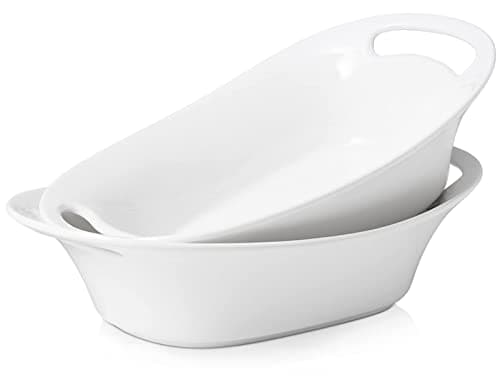 DOWAN Porcelain Serving BowlsEveryday bowls | Everyday bowls | 8.0 | $39.99 · View on Amazon #ad We may earn a commission · Price as of November 2, 2026 |
| 2 | 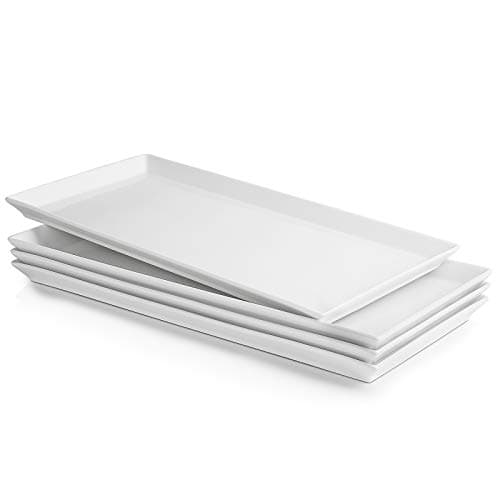 Sweese Porcelain Serving Platter SetPlatters | Platters | 8.4 | $53.99 · View on Amazon #ad We may earn a commission · Price as of November 2, 2026 |
| 3 | 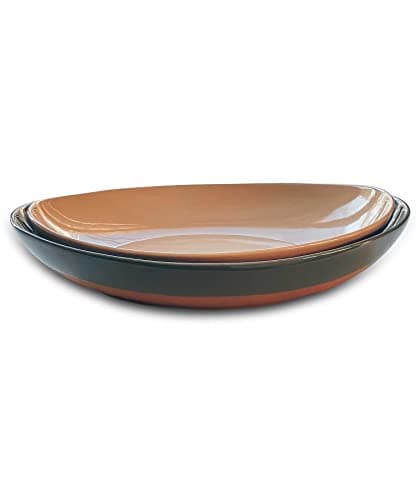 Mora Ceramic Serving BowlsOven to table | Oven to table | 8.3 | $49.99 · View on Amazon #ad We may earn a commission · Price as of November 2, 2026 |
| 4 | 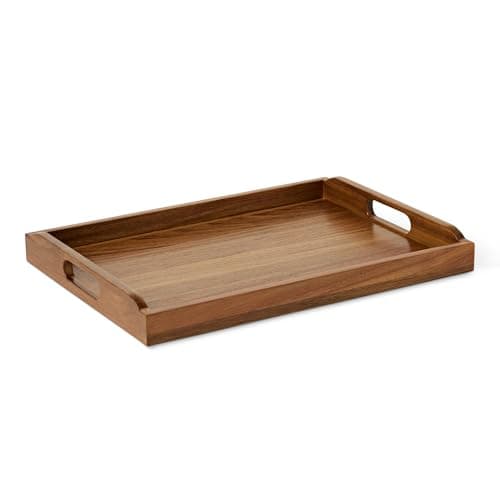 Amazon Basics Acacia Wood Serving TrayThe default tray | The default tray | 8.1 | $15.18 · View on Amazon #ad We may earn a commission · Price as of November 2, 2026 |
Scores are our editorial rating, not a lab test result — see how we pick.
Six serving pieces cover almost every meal: two medium bowls, one large bowl, one large platter, one small platter or board, and one tray. That set handles a weeknight dinner, a Sunday roast and a dinner party for eight without borrowing anything. Below is how to arrive at it and what to skip on the way.
The core six
| Piece | How many | What it carries |
|---|---|---|
| Medium bowl | 2 | Vegetables, potatoes, a side salad |
| Large bowl | 1 | Salad for the table, pasta, rice for a crowd |
| Large platter | 1 | The main course. The piece most kitchens lack. |
| Small platter or board | 1 | Bread, cheese, anything before dinner |
| Tray | 1 | Carrying, and doubling as a surface |
| Small bowls | A set of 6 | Olives, dips, sauces, anything wet |
Scale up at about eight guests by adding a second large bowl and a second platter — not by adding new types of dish. Two of something you already use beats one of something new.
Work from the menu, not the cupboard
The useful rule is one serving vessel per dish on the menu, plus one spare for the thing you forgot. Write the menu, count the dishes, and you will almost always find the number is three or four rather than the eight people imagine.
The spare matters more than it sounds. The forgotten dish is reliably the bread, the sauce, or the thing a guest brought — and a household with exactly enough bowls ends up putting one of those in a mixing bowl.
The gap almost everyone has
It is the large platter. Bowls accumulate naturally because they arrive with dinnerware sets and get bought for mixing; nothing in a normal kitchen’s drift produces something long enough to serve a roast, a whole fish or a row of sliced meat on. So the main course ends up on a baking sheet, which works and looks like what it is.
A set of rectangular and oval porcelain platters fixes it in one purchase. Our platter picks go through the shapes and sizes properly.
Oven-to-table counts twice
A dish that can be cooked in and served from removes a transfer, which keeps food hot and saves washing a second vessel. On a small cupboard budget that effectively makes it two pieces rather than one.
The Mora ceramic bowls here are the clearest example — the listing states oven, microwave, dishwasher and freezer safe, so the same bowl does prep, cooking, serving and leftovers. If you only buy one new serving piece, that is the kind to buy.
What to skip until you have noticed the gap twice
- Gravy boats, relish trays, deviled egg plates. Real tools, a few occasions a year, permanent cupboard rent. If you host Thanksgiving the gravy boat stops being optional, and the gravy boat picks make the case for a plain white one that also carries dressing, custard and cream the rest of the year.
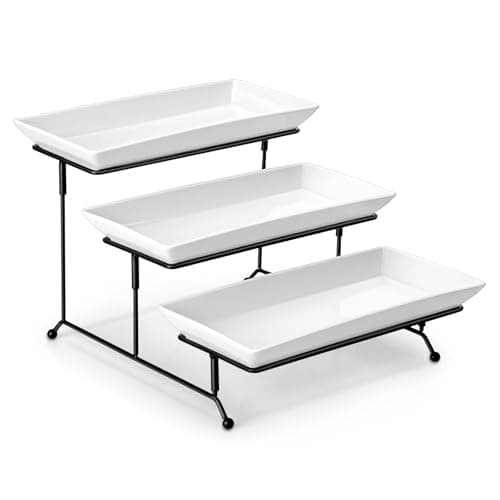
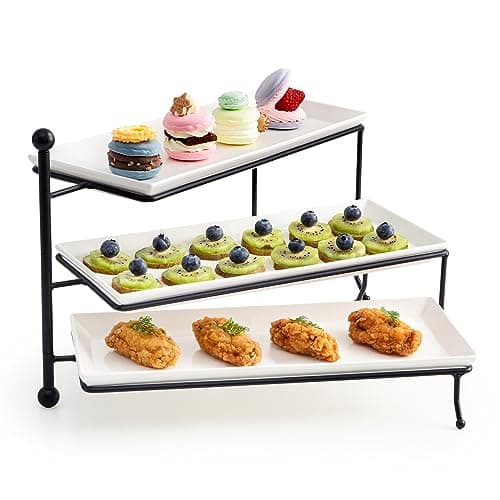
- Tiered stands, unless you host standing parties often — in which case they are genuinely the best way to triple serving area, as setting up a buffet table explains.
- A second tray, until carrying is actually the bottleneck. Most kitchens need one good tray, not three.
What we would buy, in order
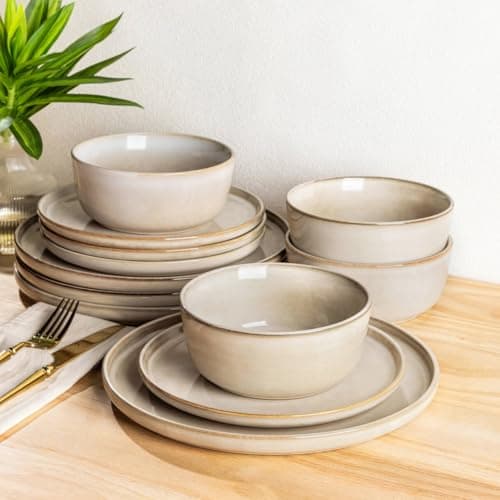
- First: DOWAN nested porcelain bowls — three sizes, one shelf, oven and dishwasher safe.
- Second: Sweese porcelain platters, sold in sets, in rectangular and oval.
- Third: Mora ceramic bowls, for the oven-to-table job.
- Fourth: the Amazon Basics acacia tray, which is also the cheapest piece on this list.
The picks in full
We have not lab-tested these products. Picks are chosen from live listings, sustained customer feedback at scale, material quality and fit for hosting — our full methodology.
Product image from Amazon, refreshed daily.
1. DOWAN Porcelain Serving Bowls
Plain porcelain bowls in the sizes you actually use, which is a nested set rather than one enormous bowl you fill twice a year.
Key specs
- Porcelain
- Nested sizes
- Oven and dishwasher safe
- Sold in sets
What works
- Nested sizes mean one of them always fits the job
- Oven-safe doubles them as bakeware
- Stack small in a cupboard
What does not
- Plain white is a deliberate non-statement
- Largest size in most sets is smaller than a party needs
#ad We may earn a commission · Price as of November 2, 2026
Product image from Amazon, refreshed daily.
2. Sweese Porcelain Serving Platter Set
Plain white porcelain platters that make the food the thing on the table. The most useful serveware you can own, and the least interesting to shop for.
Key specs
- White porcelain
- Rectangular and oval shapes
- Oven, microwave and dishwasher safe
- Sold in sets
What works
- White makes every food look better than a patterned plate does
- Oven-safe means you can cook and serve in one dish
- Stacks flat, which matters when you own several
What does not
- Heavier than melamine for outdoor use
- Porcelain chips if you stack it carelessly
#ad We may earn a commission · Price as of November 2, 2026
Product image from Amazon, refreshed daily.
3. Mora Ceramic Serving Bowls
Built to go from oven to table without a transfer step, which removes both a dish to wash and the moment where a hot dish gets dropped.
Key specs
- Ceramic
- Oven, microwave, dishwasher and freezer safe
- Matte exterior finish
What works
- Full temperature range means one dish covers cook, store and serve
- Matte finish resists the scratching a gloss glaze shows
- Sizes suit both sides and mains
What does not
- Matte exterior holds greasy marks until washed
- Plainer than the reactive-glaze options
#ad We may earn a commission · Price as of November 2, 2026
Product image from Amazon, refreshed daily.
4. Amazon Basics Acacia Wood Serving Tray
A 17 x 12 acacia tray with cut-in handles at the lowest sensible price. The tray to buy if you have no tray and want to stop thinking about it.
Key specs
- Acacia
- About 17 x 12 in
- Built-in cut handles
- Flat profile
What works
- Cut-in handles do not snag or come loose like screwed-on hardware
- Size fits a coffee table and a kitchen island equally
- Cheap enough to own two
What does not
- Low sides mean drinks slide if you tilt it
- Finish is functional rather than beautiful
#ad We may earn a commission · Price as of November 2, 2026
Common questions
How many serving dishes do I need?
Six pieces cover almost every meal a house serves: two medium bowls, one large bowl, one large platter, one small platter or board, and one tray. Add a second large bowl and a second platter if you regularly feed more than eight.
How many serving bowls should I have?
Three is the working number - two medium and one large - and a nested set is the efficient way to buy them because they store inside each other. A fourth only earns its shelf space if you serve more than two sides at a time.
How many dishes do I need for a dinner party of 8?
Plan one serving vessel per dish on the menu, plus one spare. A typical eight-person dinner is a main platter, two side bowls and a bread basket or board - four pieces, which is well inside what the six-piece core covers.
Do I need matching serving dishes?
No, and trying to match them is the main reason people over-buy. White or neutral pieces from different makers read as a set on a table because the food is the color. Matching matters for plates, not for the things food arrives in.
What serving dish do most kitchens not have?
A large platter. Almost every household owns bowls and almost none owns something long enough for a roast, a whole fish or a row of sliced meat, which is why so many main courses get served off a baking sheet.
What do people over-buy?
Single-purpose pieces. Gravy boats, relish trays, deviled egg plates and tiered stands are all real tools, but each one solves one dish a few times a year while taking cupboard space year round. Buy the versatile pieces first and add specific ones only when you notice the gap twice.