Acacia vs Bamboo vs Marble: Which Board Material to Buy
Three materials, three genuinely different products. This is the comparison the roundups bury in a sub-section, and it decides more than the brand does.
Heads up: we earn a commission from qualifying purchases made through the links on this page, at no extra cost to you. It never changes which products we pick or the order we rank them in. Full disclosure.
Quick picks
Tap any row to jump to the full write-up further down the page.
| # | Product | Best for | Score | Price |
|---|---|---|---|---|
| 1 | 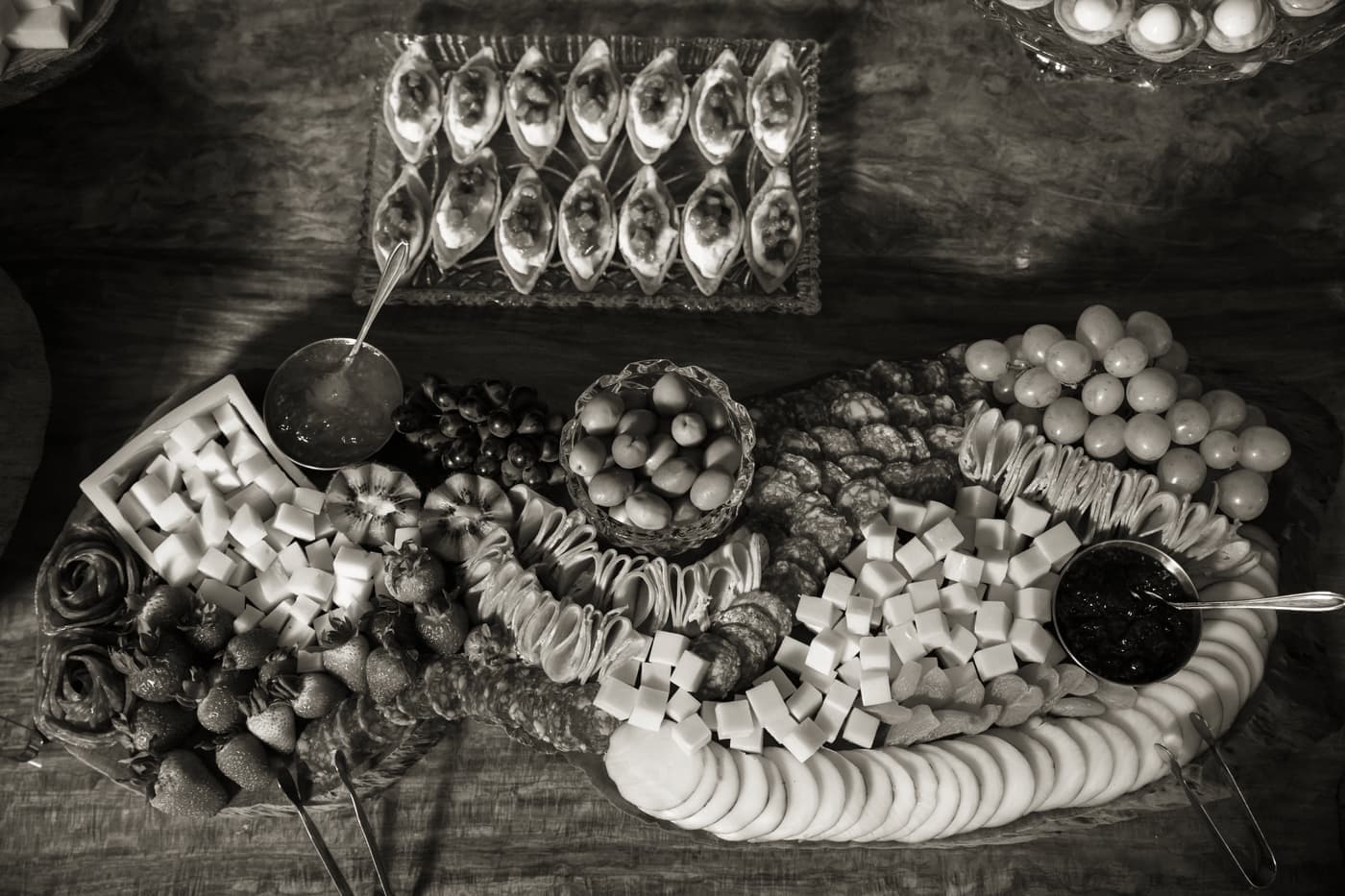 Shanik Acacia Wood Charcuterie BoardA board you keep | A board you keep | 8.6 | Check price on Amazon #ad We may earn a commission · We do not print prices — see the live one on Amazon |
| 2 | 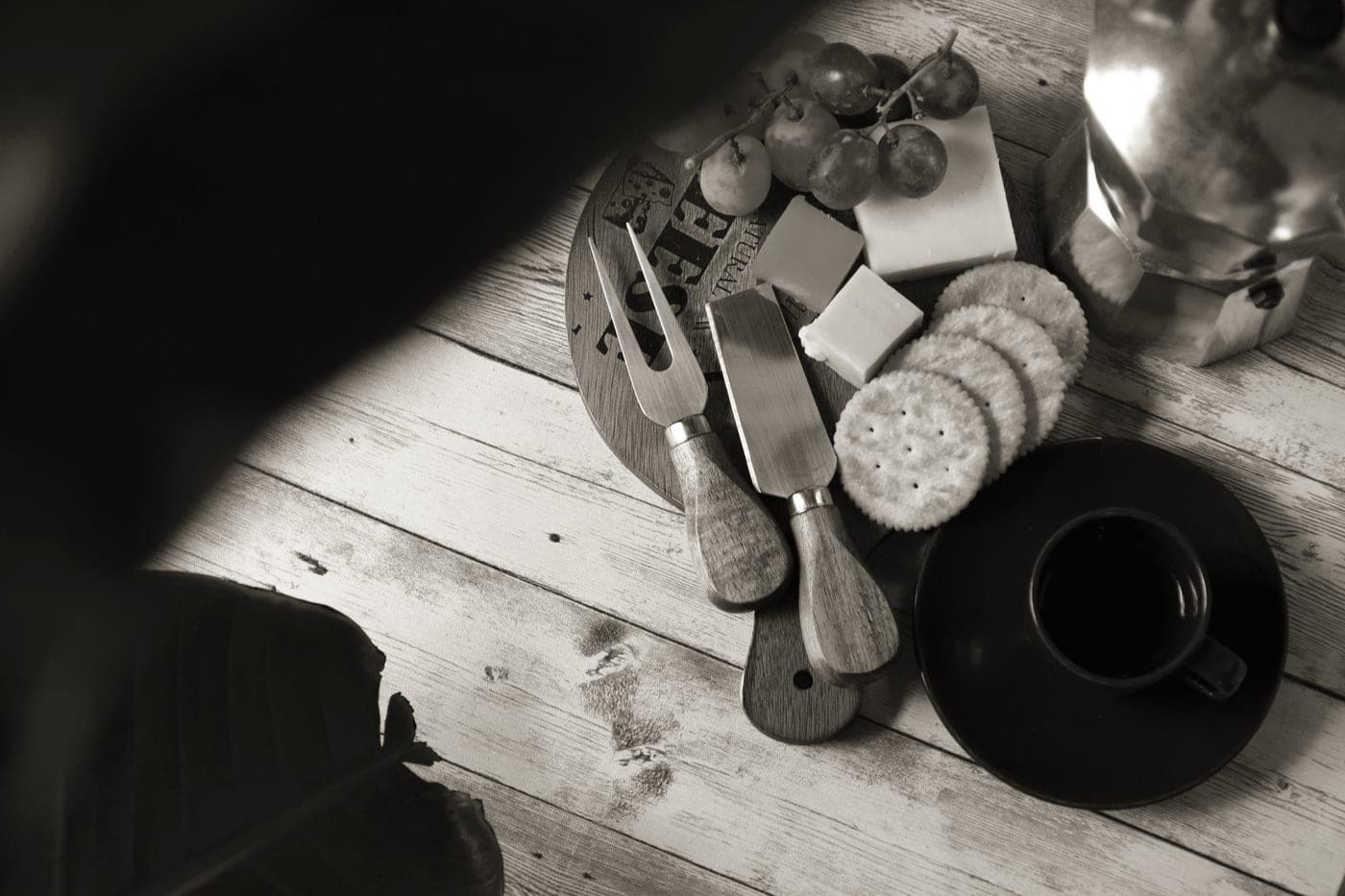 Bambusi Bamboo Cheese Board SetBudget pick | Budget pick | 7.8 | Check price on Amazon #ad We may earn a commission · We do not print prices — see the live one on Amazon |
| 3 | 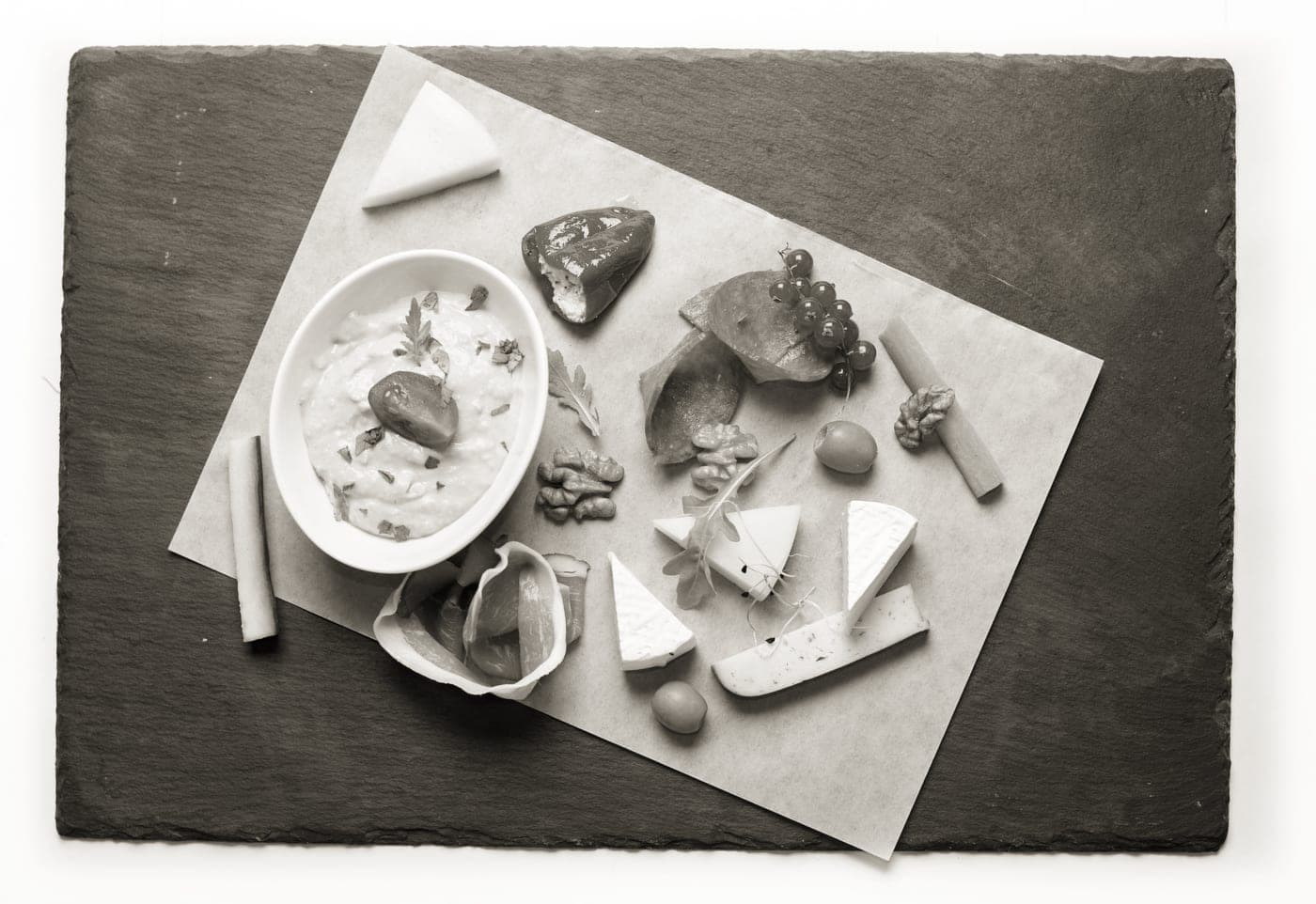 Homeries Marble Cheese and Pastry BoardSoft cheese | Soft cheese | 7.7 | Check price on Amazon #ad We may earn a commission · We do not print prices — see the live one on Amazon |
Scores are our editorial rating, not a lab test result — see how we pick.
The short answer: acacia if the board lives out on your counter and you do not mind oiling it twice a year; bamboo if it lives in a cupboard and you want zero maintenance; marble only if you serve a lot of soft cheese, and then as a second board rather than your only one.
Side by side
| Acacia | Bamboo | Marble | |
|---|---|---|---|
| Weight | Heavy | Light | Very heavy |
| Upkeep | Oil every few months | Almost none | Wipe promptly, reseal occasionally |
| Staining | Moderate, oil helps | Resistant | Porous, stains from wine and oil |
| Knife wear | Gentle | Moderate | Harsh |
| Keeps food cold | No | No | Yes, once chilled |
| Looks on a table | Best | Plain | Striking |
| Damage mode | Warps if soaked | Splits eventually | Chips permanently |
Acacia
A dense tropical hardwood with pronounced grain variation, which is why no two acacia boards look identical and why they read as furniture rather than kitchenware. It is naturally water-resistant for a wood, which is the practical reason it dominates this category.
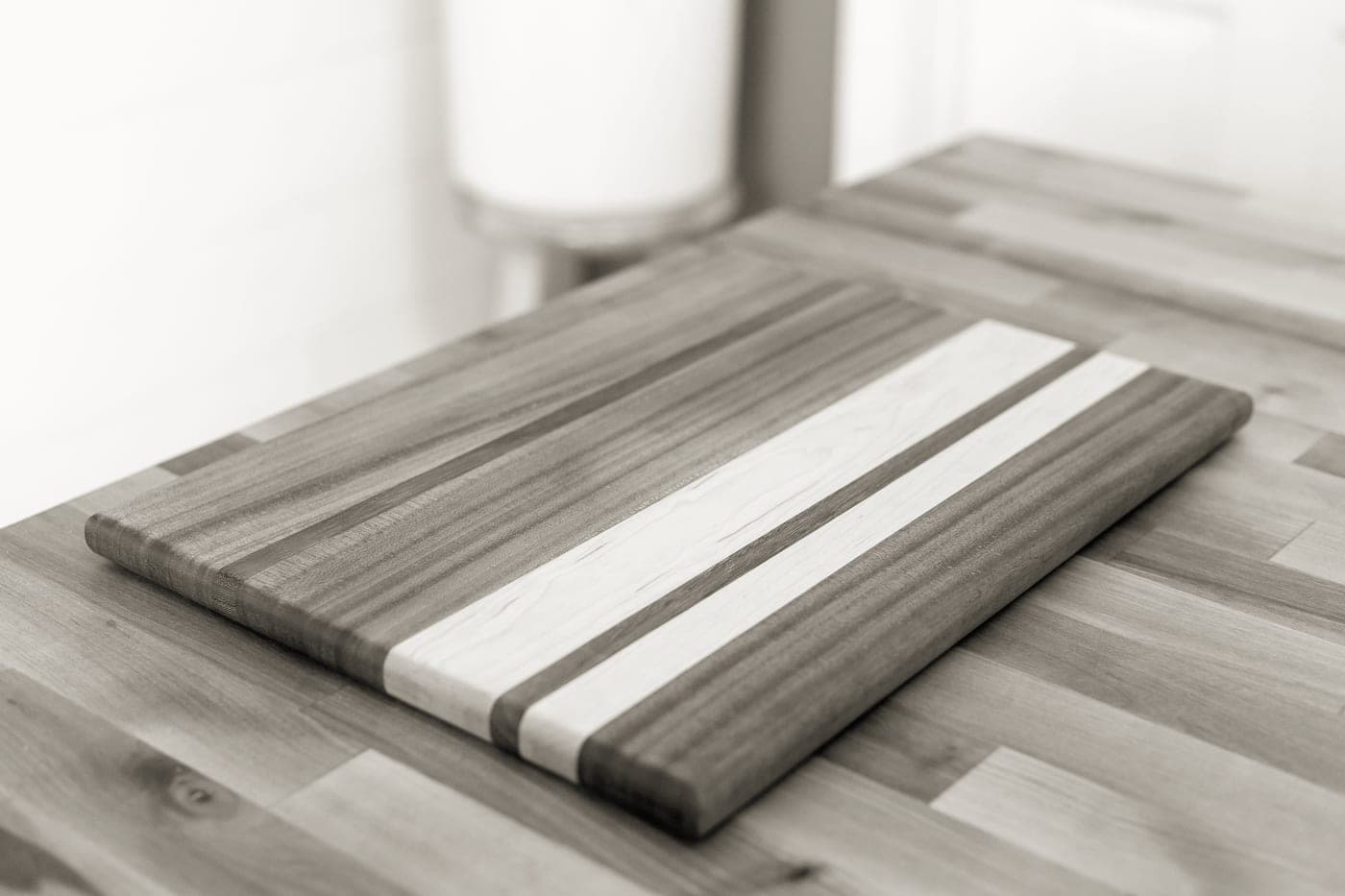
The trade is maintenance. Untreated acacia goes gray and dull over a year or two of washing. Food-safe mineral oil every few months keeps it looking like the photograph. That is a five-minute job, and if the idea of a five-minute job every few months irritates you, buy bamboo.
Bamboo
Bamboo is a grass, not a tree, and it is grown and harvested fast, which is why it is cheap. It is lighter than hardwood at the same dimensions, which matters enormously on a large board you have to carry loaded.
It resists staining better than pale hardwood and needs essentially no care. The downsides are cosmetic and structural: the grain is uniform so it looks flat next to acacia, and because bamboo boards are made of laminated strips, they can eventually split along a glue line if repeatedly soaked.
Marble
Marble does one thing no wood can: it holds cold. Chill a marble board in the fridge for half an hour before guests arrive and a soft cheese on it will hold its shape roughly an hour longer than the same cheese on wood. At a long party that is the difference between serving brie and serving a puddle.
Everything else about marble is a compromise. It is heavy enough that you will not pass it around. It is porous, so red wine and oil stain it if left. It chips if knocked and the chip is permanent. And it is much harder than steel, so it dulls knives noticeably faster than wood.
Which is why the sensible marble purchase is a small one, used alongside a wooden board, for the soft cheese only. Our marble vs slate comparison covers the stone options against each other.
So which should you buy?
- One board, and it lives on the counter: acacia.
- One board, and it lives in a cupboard: bamboo.
- A big board you carry across the house: bamboo, for the weight alone.
- You serve soft cheese at long parties: a small marble board as well as a wooden one.
- You want to cut on it too: acacia. Not marble.
Ready to choose a specific board? Our main picks are here.
The picks in full
We have not lab-tested these products. Picks are chosen from live listings, sustained customer feedback at scale, material quality and fit for hosting — our full methodology.
Representative category photo, not the product listing image.
1. Shanik Acacia Wood Charcuterie Board
Heavier and more figured than any bamboo board, with grain variation that means no two look alike. This is the one that stays out on the counter rather than going back in the cupboard.
Key specs
- Solid acacia
- Noticeably thicker than bamboo boards
- Juice groove on most sizes
- Reversible
What works
- Acacia's color variation reads as furniture, not kitchenware
- Thick enough that it does not flex when you carry it loaded
- Doubles honestly as a cutting board
What does not
- Heavy once it is full, which matters if you are carrying it outside
- Needs oiling a few times a year or it goes dull and gray
#ad We may earn a commission · We do not print prices — see the live one on Amazon
Representative category photo, not the product listing image.
2. Bambusi Bamboo Cheese Board Set
The cheapest board here that does not feel cheap: light, stain-resistant bamboo with a knife drawer, and the one to buy if you host twice a year and cannot justify more.
Key specs
- Bamboo
- Slide-out knife drawer
- Light enough to pass around
- Mid-size
What works
- Light enough that guests will actually pass it down the table
- Bamboo shrugs off the oil and wine marks that ruin pale hardwood
- Costs less than the cheese you will put on it
What does not
- Bamboo's uniform grain looks flat next to acacia
- Thinner than the premium boards and it shows when loaded
#ad We may earn a commission · We do not print prices — see the live one on Amazon
Representative category photo, not the product listing image.
3. Homeries Marble Cheese and Pastry Board
Marble stays cold, which is the entire argument for it. A brie holds its shape on this for an hour longer than it does on wood.
Key specs
- Natural marble
- Stays cold once chilled
- Doubles as a pastry surface
- Heavy
What works
- Genuinely keeps soft cheese servable longer
- Wipes clean with no oiling ritual
- Looks expensive because it is stone
What does not
- Heavy enough that you will not be passing it around
- Marble chips if you drop it and the chip is permanent
- Knives dull faster on stone than on wood
#ad We may earn a commission · We do not print prices — see the live one on Amazon
Common questions
Is acacia or bamboo better for a charcuterie board?
Acacia looks better and lasts longer if you oil it; bamboo is lighter, cheaper and needs almost no care. Choose acacia if the board stays out and is part of the room, and bamboo if it lives in a cupboard and comes out a few times a year.
Is bamboo hard on knives?
Bamboo is harder than most hardwoods and will dull a blade faster than maple or acacia, though far less than stone. If you only serve on the board rather than cutting on it, this does not matter at all.
Do marble boards need sealing?
Marble is porous and will stain from red wine, oil and acidic foods over time. Many boards come sealed; resealing periodically with a food-safe stone sealer keeps it looking new. Wipe spills promptly rather than letting them sit.
What is the best wood for a charcuterie board?
For serving, acacia and walnut are the best combination of appearance and durability, with maple a close and cheaper third. Avoid softwoods like pine, which mark easily and absorb odors.