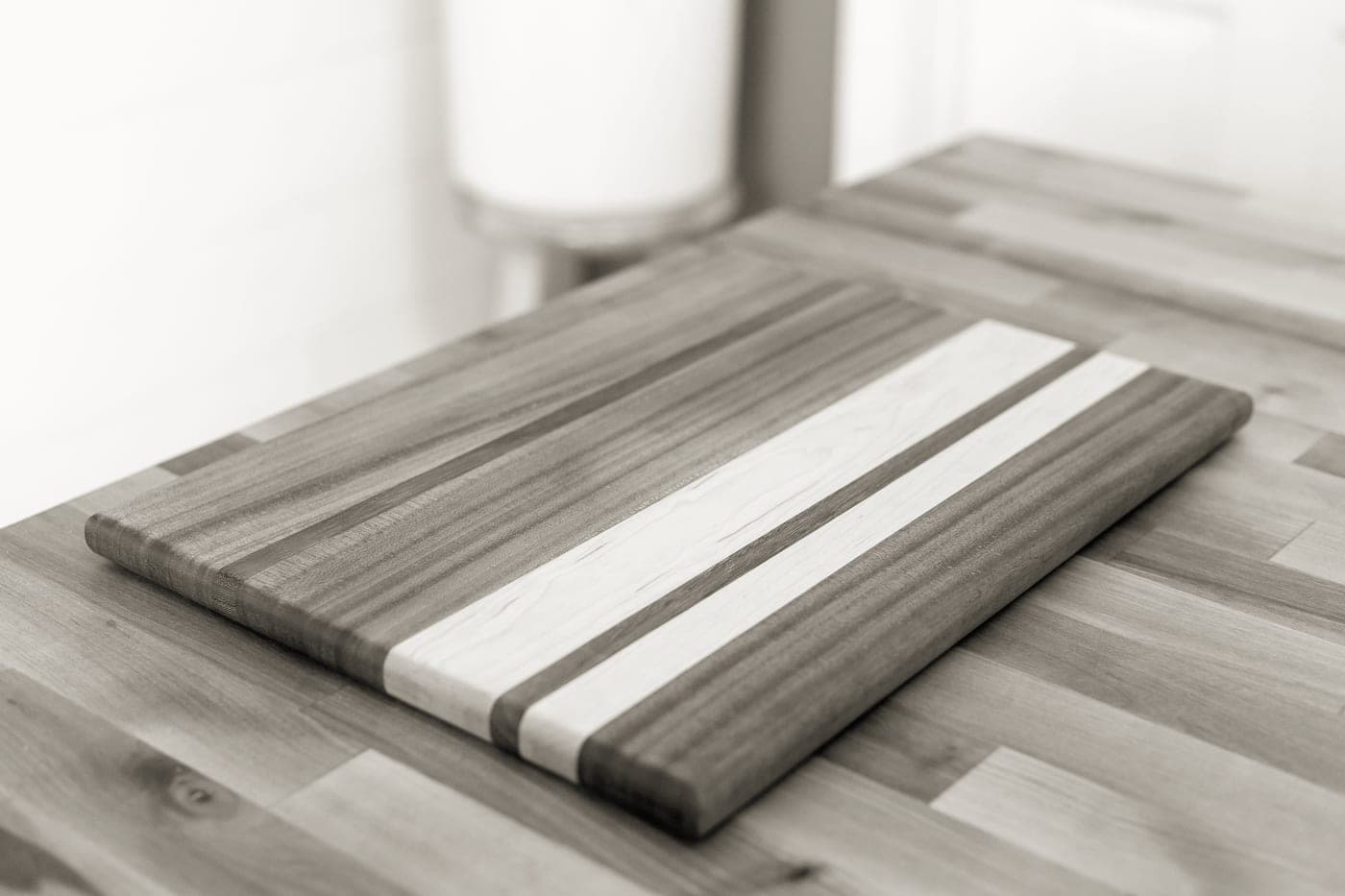
How to Clean a Charcuterie Board
Wooden boards are not difficult to look after. They are just easy to ruin, and almost always in one of three specific ways.
Heads up: we earn a commission from qualifying purchases made through the links on this page, at no extra cost to you. It never changes which products we pick or the order we rank them in. Full disclosure.
Quick picks
Tap any row to jump to the full write-up further down the page.
| # | Product | Best for | Score | Price |
|---|---|---|---|---|
| 1 | 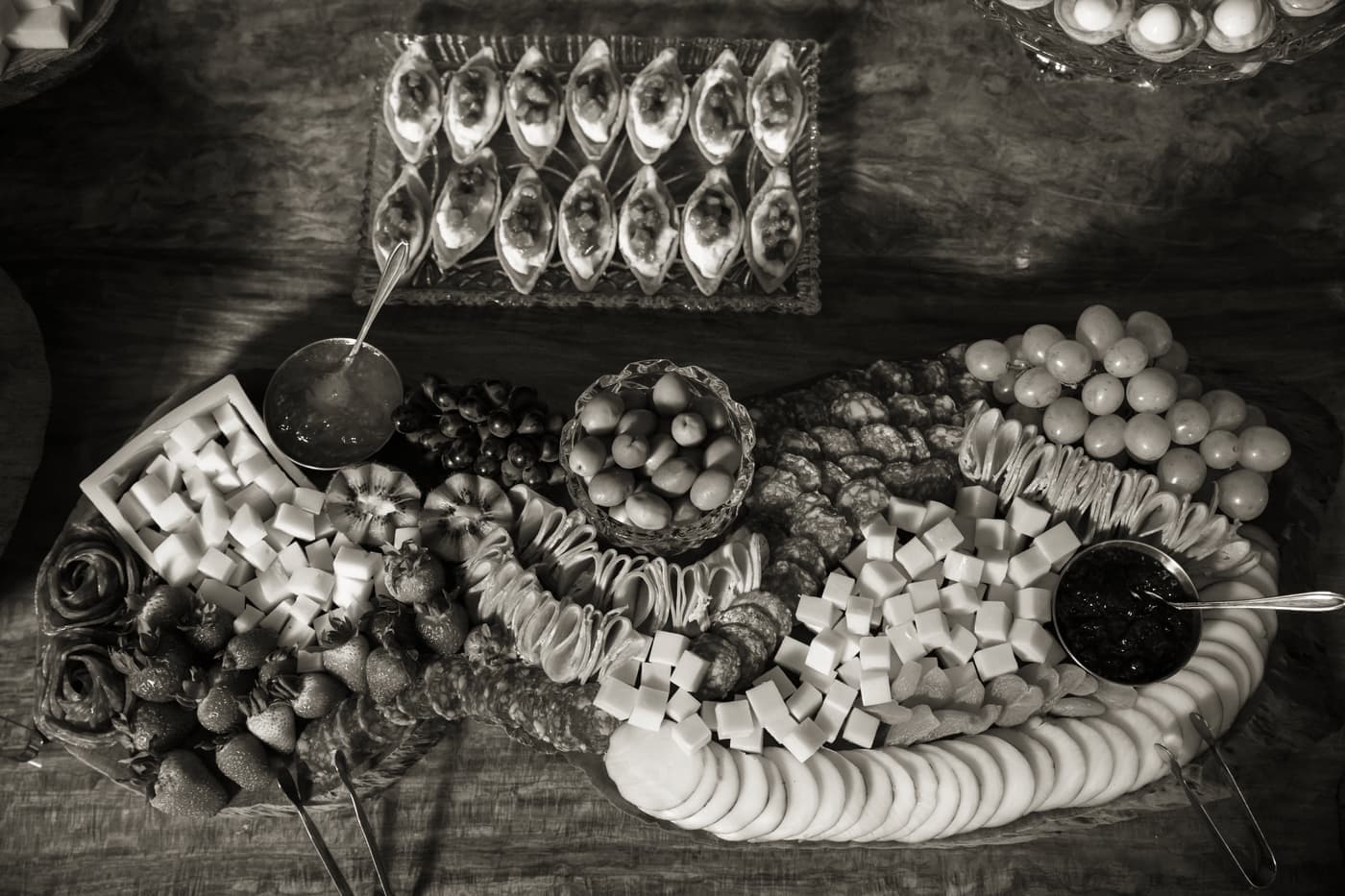 Shanik Acacia Wood Charcuterie BoardA board you keep | A board you keep | 8.6 | Check price on Amazon #ad We may earn a commission · We do not print prices — see the live one on Amazon |
| 2 | 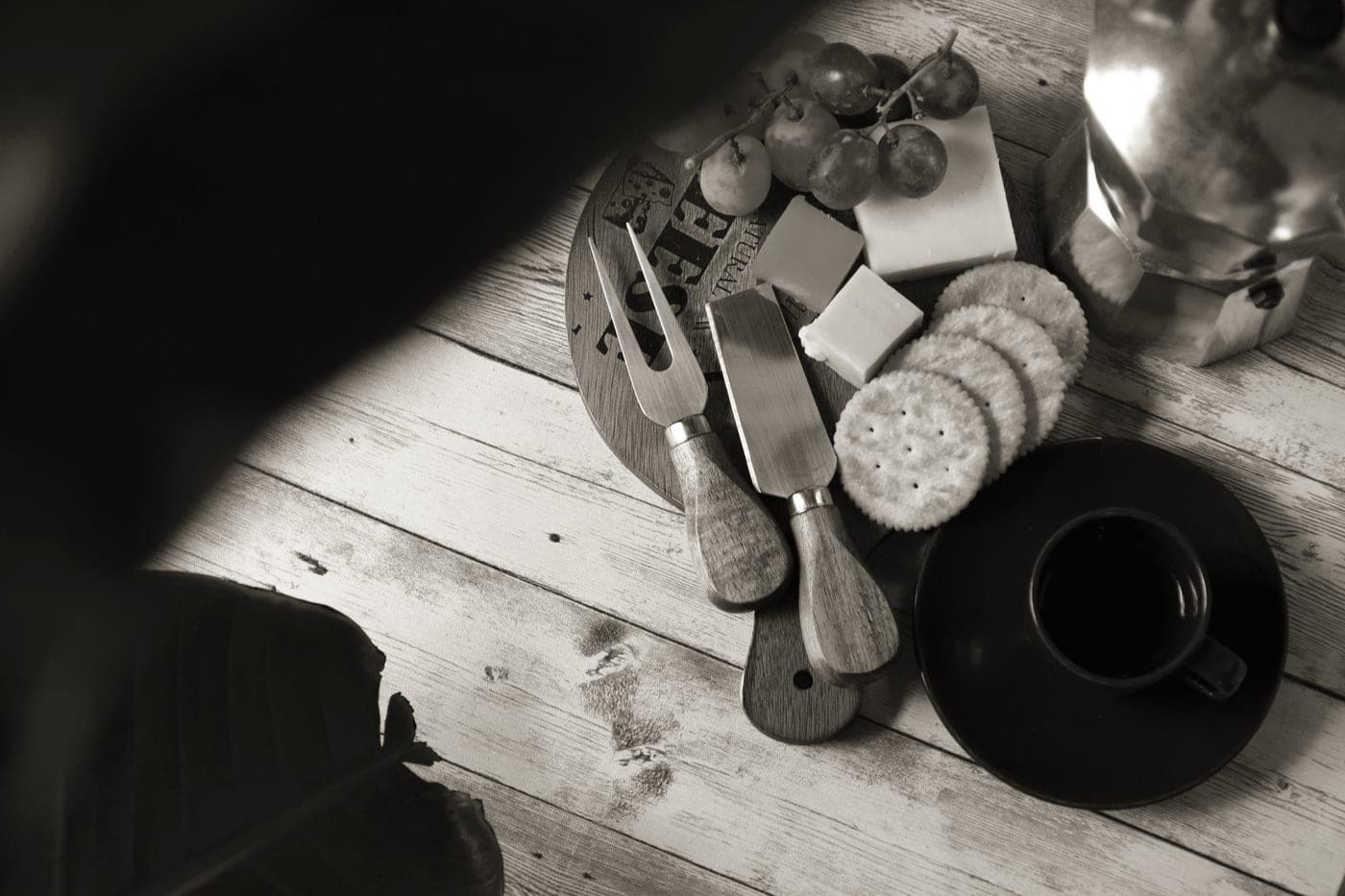 Bambusi Bamboo Cheese Board SetBudget pick | Budget pick | 7.8 | Check price on Amazon #ad We may earn a commission · We do not print prices — see the live one on Amazon |
| 3 |  Homeries Marble Cheese and Pastry BoardSoft cheese | Soft cheese | 7.7 | Check price on Amazon #ad We may earn a commission · We do not print prices — see the live one on Amazon |
Scores are our editorial rating, not a lab test result — see how we pick.
The short version: wash by hand quickly, dry immediately, stand it on edge, and oil it when water stops beading. Never a dishwasher, never a soak.
The three things that ruin a board
- The dishwasher. Heat plus prolonged water warps solid wood and delaminates bamboo along its glue lines. The damage cannot be undone.
- Soaking. A board left in a sink of water absorbs unevenly, swells and then cracks as it dries. Even twenty minutes is enough to do harm.
- Drying flat. A board dried flat on a counter has one face exposed to air and one face trapped against a surface. The two sides dry at different rates and the board cups. Stand it on edge.
The routine, after every use
- Scrape off crumbs and debris with a bench scraper or the back of a knife.
- Wash by hand with warm water and a small amount of dish soap. Quickly — this should be seconds, not minutes.
- Rinse.
- Dry immediately and thoroughly with a towel.
- Stand it upright on edge, or in a dish rack, until fully dry. Both faces need air.
Oiling
Oil is what stops a board drying out, going gray and eventually cracking. The test is simple: flick a few drops of water onto the surface. If they bead, the board is fine. If they soak in and darken the wood, it needs oil.
- Make sure the board is clean and completely dry.
- Apply food-grade mineral oil generously with a cloth, working with the grain, covering every surface including the edges and the underside.
- Let it sit for several hours, or overnight.
- Wipe off whatever has not soaked in.
Use mineral oil, not cooking oil. Olive, vegetable and nut oils are not shelf-stable and will eventually go rancid in the wood, leaving a board that smells faintly wrong and cannot be fixed.
Smells and stains
| Problem | Fix |
|---|---|
| Garlic, onion or fish smell | Coarse salt scrubbed with half a lemon, left 10 minutes, rinse and dry |
| Persistent smell | Baking soda paste, left 15 minutes, rinse and dry, then re-oil |
| Surface stains | Same salt and lemon treatment, repeated |
| Rough or fuzzy surface | Fine sandpaper with the grain, then clean and re-oil |
| After raw meat | Hot soapy water, then vinegar or a dilute bleach solution, rinse and dry thoroughly |
Stone boards are different
Marble and slate do not need oiling and do need prompt wiping, because both are porous and stain from wine and oil. Never take stone from cold to hot water — thermal shock cracks it. Store flat rather than on edge, since stone chips at the corners. More in marble vs slate.
The full material breakdown, including which needs what care, is in acacia vs bamboo vs marble.
The picks in full
We have not lab-tested these products. Picks are chosen from live listings, sustained customer feedback at scale, material quality and fit for hosting — our full methodology.
Representative category photo, not the product listing image.
1. Shanik Acacia Wood Charcuterie Board
Heavier and more figured than any bamboo board, with grain variation that means no two look alike. This is the one that stays out on the counter rather than going back in the cupboard.
Key specs
- Solid acacia
- Noticeably thicker than bamboo boards
- Juice groove on most sizes
- Reversible
What works
- Acacia's color variation reads as furniture, not kitchenware
- Thick enough that it does not flex when you carry it loaded
- Doubles honestly as a cutting board
What does not
- Heavy once it is full, which matters if you are carrying it outside
- Needs oiling a few times a year or it goes dull and gray
#ad We may earn a commission · We do not print prices — see the live one on Amazon
Representative category photo, not the product listing image.
2. Bambusi Bamboo Cheese Board Set
The cheapest board here that does not feel cheap: light, stain-resistant bamboo with a knife drawer, and the one to buy if you host twice a year and cannot justify more.
Key specs
- Bamboo
- Slide-out knife drawer
- Light enough to pass around
- Mid-size
What works
- Light enough that guests will actually pass it down the table
- Bamboo shrugs off the oil and wine marks that ruin pale hardwood
- Costs less than the cheese you will put on it
What does not
- Bamboo's uniform grain looks flat next to acacia
- Thinner than the premium boards and it shows when loaded
#ad We may earn a commission · We do not print prices — see the live one on Amazon
Representative category photo, not the product listing image.
3. Homeries Marble Cheese and Pastry Board
Marble stays cold, which is the entire argument for it. A brie holds its shape on this for an hour longer than it does on wood.
Key specs
- Natural marble
- Stays cold once chilled
- Doubles as a pastry surface
- Heavy
What works
- Genuinely keeps soft cheese servable longer
- Wipes clean with no oiling ritual
- Looks expensive because it is stone
What does not
- Heavy enough that you will not be passing it around
- Marble chips if you drop it and the chip is permanent
- Knives dull faster on stone than on wood
#ad We may earn a commission · We do not print prices — see the live one on Amazon
Common questions
How do you clean a wooden charcuterie board?
Scrape off debris, wash quickly by hand with warm water and a little dish soap, rinse, and dry immediately with a towel. Then stand it on its edge so both faces dry evenly. The whole process should take under two minutes of contact with water.
Can you put a charcuterie board in the dishwasher?
Never. Prolonged heat and water will warp, crack or delaminate a wooden or bamboo board, and the damage is permanent. This is the single fastest way to destroy one.
How often should you oil a charcuterie board?
Every one to three months with normal use, or whenever water stops beading on the surface and soaks in instead. That soaking test is a more reliable guide than any schedule.
What oil should you use on a cutting board?
Food-grade mineral oil, or a board cream made of mineral oil and beeswax. Do not use cooking oils such as olive, vegetable or nut oils — they are not stable and will eventually go rancid, leaving the board smelling off.
How do you get smells out of a wooden board?
Scrub with coarse salt and half a lemon, leave it for about ten minutes, then rinse and dry. For persistent smells, a paste of baking soda and water left for fifteen minutes usually finishes the job. Re-oil afterwards.
How do you sanitize a wooden board?
A wipe with white vinegar, or a diluted solution of one tablespoon of unscented bleach per gallon of water, left briefly and then rinsed and dried thoroughly. Hot soapy water and prompt drying handles ordinary serving use; reserve sanitizing for boards that have touched raw meat.