The Best Butter Dishes
Two questions decide this purchase and neither one is about the dish looking nice: what shape is the butter you buy, and does it live on the counter or in the refrigerator.
Heads up: we earn a commission from qualifying purchases made through the links on this page, at no extra cost to you. It never changes which products we pick or the order we rank them in. Full disclosure.
Quick picks
Tap any row to jump to the full write-up further down the page.
| # | Product | Best for | Score | Price |
|---|---|---|---|---|
| 1 | 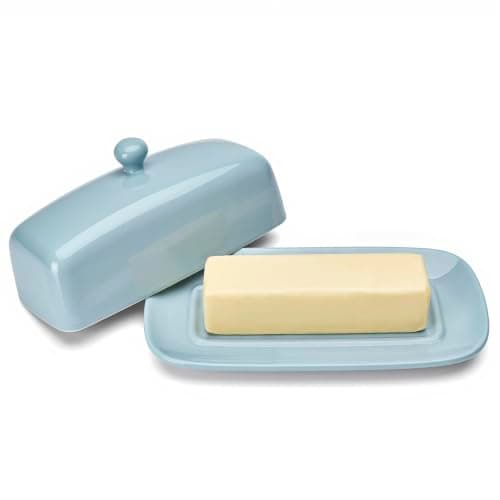 Sweese Butter Dish with LidEither stick shape | Either stick shape | 8.5 | $24.99 · View on Amazon #ad We may earn a commission · Price as of November 2, 2026 |
| 2 | 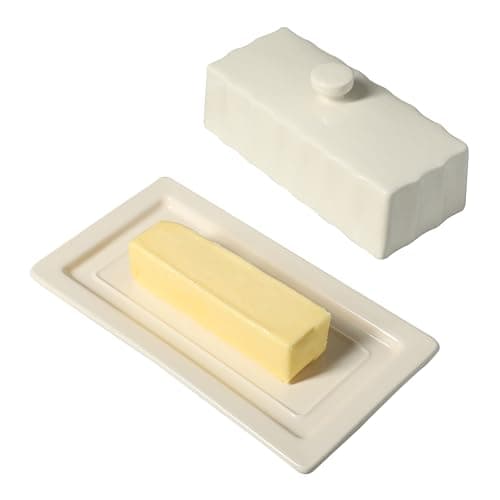 Martha Stewart Broadbrook Stoneware Butter DishTable-ready for less | Table-ready for less | 8.3 | $12.98 · View on Amazon #ad We may earn a commission · Price as of November 2, 2026 |
| 3 | 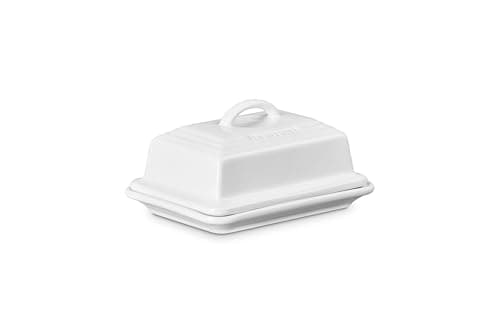 Le Creuset Stoneware European Butter DishA dish bought once | A dish bought once | 8.2 | $53.95 · View on Amazon #ad We may earn a commission · Price as of November 2, 2026 |
| 4 | 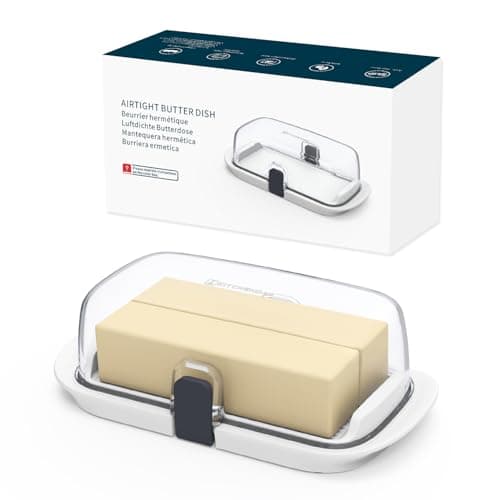 KITCHENDAO Large One-Handed Airtight Butter DishThe refrigerator door | The refrigerator door | 8.1 | $9.98 · View on Amazon #ad We may earn a commission · Price as of November 2, 2026 |
| 5 | 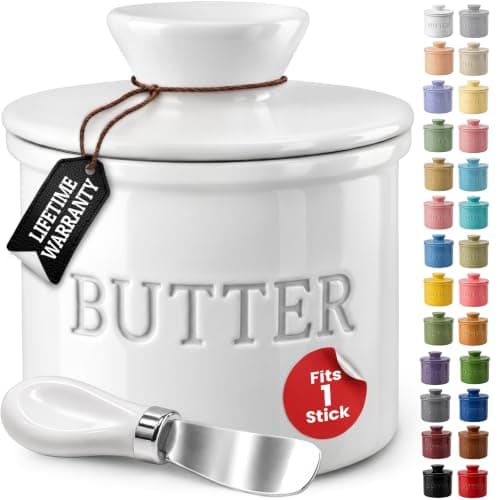 Priority Chef Butter Crock with LidSpreadable butter | Spreadable butter | 7.9 | $16.99 · View on Amazon(23% off) #ad We may earn a commission · Price as of November 2, 2026 |
| 6 | 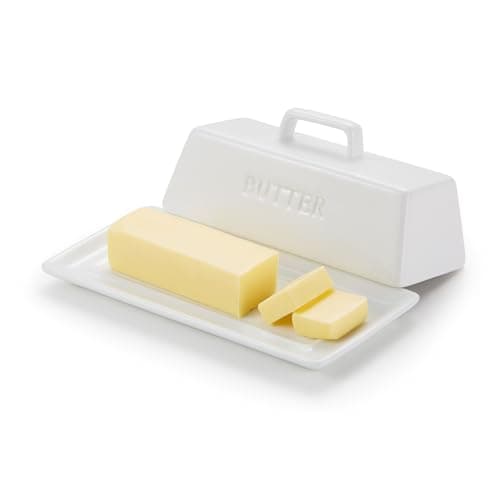 Kook Ceramic Butter Dish with LidOne stick, one dish | One stick, one dish | 7.6 | $14.95 · View on Amazon #ad We may earn a commission · Price as of November 2, 2026 |
| 7 | 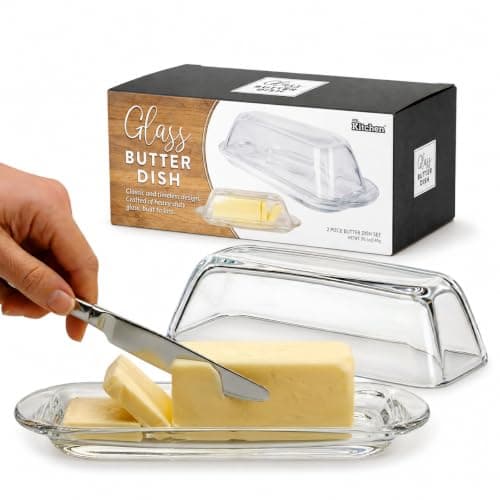 Kangaroo Clear Glass Butter Dish with LidSeeing what is left | Seeing what is left | 7.5 | $9.99 · View on Amazon #ad We may earn a commission · Price as of November 2, 2026 |
Scores are our editorial rating, not a lab test result — see how we pick.
A butter dish is a five-minute purchase that people get wrong remarkably often, and almost always for the same reason: they bought the dish before they looked at the butter. American butter comes in two different stick shapes depending on which side of the country you are on, European butter comes as a block wider than either, and a great many attractive little dishes are cut for exactly one of those three.
The second thing people get wrong is where the dish is supposed to live. A counter dish and a refrigerator dish are different objects with different requirements, and the specification that matters for one is irrelevant to the other. Below is the shape problem, then the five criteria we judged on, then seven dishes covering counter, fridge and crock.
The stick shape problem
This is the single most common reason a butter dish gets returned. Butter sold west of the Rocky Mountains is a short, fat stick; butter sold in the east is long and thin. Both weigh four ounces. Neither fits a dish cut tightly for the other. European-style butter - the cultured, higher-fat blocks - is usually an eight-ounce brick that is wider than both American shapes and taller than most dishes allow for.
| Butter | Rough shape | What it needs |
|---|---|---|
| Eastern stick (4 oz) | Long and slim | Length - most standard dishes take it |
| Western stick (4 oz) | Short and square in section | Width and height, not length |
| European block (8 oz) | Wide brick | A larger dish, or a crock it is packed into |
| Two sticks at once | Either shape, doubled | A dish explicitly sold as large |
The practical rule: buy a dish around seven to eight inches long and the question stops mattering, because a stick of either shape has room and a European block will sit in it too. The small decorative dishes are the ones that fail, and they fail silently - the lid sits at an angle and nobody notices why until the butter is dry at one end.
How we judged these dishes
We have not tested these in a kitchen. The picks come from live listing data and the manufacturers' stated specifications, judged against five criteria that decide whether a butter dish gets used or quietly moved to the back of a cupboard.
1. Whether your butter actually fits
Covered above, and it is the first filter. A dish that only takes one stick shape is a dish that works until you travel, move, or buy the good Irish butter once. Listings that state "East Coast / West Coast" explicitly are telling you something real, and the ones that say nothing are usually cut for the Eastern stick.
2. Whether the lid seals, and whether it should
Butter takes on the smell of everything around it, which is a problem in a refrigerator and a non-problem on a counter. A latched, gasketed lid is what you want if the dish lives in the fridge door. On a table it is actively worse: a sealed dish traps condensation, and a lid you have to unclip is a nuisance to pass around. Match the seal to the location rather than treating airtight as universally better.
3. What it is made of
Porcelain and stoneware are the table materials - they feel like part of a dinner service and they do not stain or hold odors. Glass adds the ability to see how much is left without lifting anything. Plastic is the fridge material: light, cheap, impact-proof, and completely wrong on a laid table. The same reasoning that runs through stoneware vs porcelain vs melamine applies in miniature here.
4. Whether it looks like it belongs on the table
A butter dish is one of the few pieces of tableware that stays out during the meal, so it is seen for as long as the plates are. Plain white porcelain disappears next to almost any dinner service, which is usually what you want. A strongly colored or heavily patterned dish is a commitment to matching it, and most households do not want that commitment from a supermarket block of butter.
5. How it washes
Butter leaves a film, and a dish that needs careful hand washing gets washed less often than it should. Dishwasher safe is worth real money here, and it is not universal - a number of otherwise good ceramic dishes come with wooden lids that are hand-wash only, which is a trade between looks and the chore.
The picks
Sweese porcelain dish: the one that fits either stick
Nearly eight inches of white porcelain with a handled lid, and the listing states it takes an East Coast or a West Coast stick. That is the specification this whole category turns on, stated plainly, which is rarer than it should be. The handle on the lid sounds trivial and is not: lifting a flat porcelain lid with buttery fingers is how lids get dropped, and a handle removes the problem entirely.
The honest cons. It is not airtight - the lid rests rather than seals - so this is a counter and table dish rather than one for a crowded refrigerator. The extra length takes more counter space than a small decorative dish. And porcelain chips if the lid is set down hard on the base edge, which it will be, eventually.
Martha Stewart Broadbrook: the value pick
Cream-glazed stoneware, eight inches long, three inches tall and dishwasher safe, at a fraction of what premium stoneware costs. The combination is unusual: most dishes at this price are plastic or thin ceramic, and most stoneware costs several times as much. Eight inches means a standard stick has room at both ends, and the dishwasher rating removes the main reason butter dishes go unwashed.
What you give up. Like the Sweese, the lid sits rather than seals, so it is not a fridge dish. The cream glaze is warm rather than cool-white, so it will not match a crisp modern dinner service exactly. And three inches is a tall object for a small table, which matters more than it sounds when a table is already carrying placemats, glasses and serving dishes.
Le Creuset stoneware: the one bought once
Le Creuset stoneware in the European shape. The argument for it is not performance - a dish that costs a fraction as much keeps butter equally well - it is that this is a piece of kitchenware people keep for decades and hand on, and it is the obvious gift in a category where most options look like an afterthought. The glaze matches the rest of the Le Creuset line, so it slots into an existing collection rather than sitting apart from it.
Three real drawbacks. It is several times the price of dishes that do the same job. It is shaped for a European block, so a long American stick is a genuinely poor fit. And stoneware is heavy enough that this is a counter object rather than something you pass down a table - fine for a kitchen, less good for a dinner party where the butter needs to travel.
KITCHENDAO large airtight dish: the refrigerator one
A latching dish with a real seal, and the listing names East Coast, West Coast, European and Kerrygold blocks explicitly. That is the widest stated fit on this page, which makes it the safe answer if you buy whatever butter is on offer. It is built for a fridge door shelf, where the latch earns its place: a dish that opens one-handed with a press is meaningfully easier than lifting a loose lid with butter on your fingers.
Against it: it is plastic, and it looks like plastic, so it is never going on a laid table. A latch is a moving part and moving parts are what break on a dish that is opened twice a day. And airtight cuts both ways - seal in a little moisture with the butter and it stays sealed in, so the block wants to go in dry.
Priority Chef crock: spreadable butter, properly
A French crock is a different machine from a butter dish and it is worth understanding before buying one. Butter is packed into the lid; the base holds an inch of cold water; the lid inverts into the water and the seal keeps air off the butter entirely. The result is butter that is genuinely spreadable straight out of it, which no refrigerated dish manages and which transforms breakfast. This one includes a spreader knife, so there is one fewer thing to fetch.
Three honest cons, and they are real. The water has to be changed every two or three days or it goes stale, and people forget - this is the single reason crocks end up at the back of a cupboard. It holds about half a stick at a time, packed in by hand, so it is a small ritual rather than a drop-in replacement. And in a warm kitchen butter will slump out of the lid regardless of the seal, which no crock can fix.
Kook ceramic dish: one stick, no decisions
A plain covered ceramic dish sized for a single stick, microwave safe and dishwasher safe. The microwave rating is the quietly useful part: softening butter for baking does not need a second dish and a second wash. For a household that goes through a stick a week and wants the butter covered and out of the way, this is the whole answer at a price where a chip is annoying rather than painful.
The limits are in the sizing. One stick only, and a long Western stick is a tight fit. There is no seal, so it belongs on a counter rather than in a fridge full of strong-smelling things. And it is plain enough that it does a job without earning a place on a set table - for that, the Sweese or the Martha Stewart is the better buy.
Kangaroo glass dish: the one you can see into
Clear glass, base and cover. It sounds like a styling decision and it is a practical one: you can see how much butter is left from across the kitchen, so nobody lifts the lid to check and nobody discovers an empty dish at breakfast. Glass also holds no odors and takes no stains, which neither plastic nor unglazed ceramic can claim.
Against it: glass shows every smear and fingerprint, so it needs washing more often than an opaque dish simply to look acceptable. The lid rests on the base rather than sealing, so it is no barrier to refrigerator smells. And it is the most breakable thing on this page - a glass lid off a counter onto tile does not survive.
Counter, fridge, or both
The households that have solved this generally run two dishes, and it costs less than it sounds. A sealed plastic keeper in the refrigerator holds the stock - the spare blocks, the unsalted baking butter - where the seal does real work against onions and leftovers. A porcelain or stoneware dish on the counter or table holds the working block, the one that gets used three times a day and never sits long enough to need a seal.
That split also solves the temperature problem. Salted butter is safe on a counter for a few days in a cool kitchen and spreads properly straight from the dish, which is the entire reason to have a counter dish at all. Unsalted butter has no preservative and belongs in the refrigerator. If the kitchen runs warm - a south-facing room in summer, a counter next to an oven - the counter dish is the wrong plan regardless of which butter you buy, and a crock with its water seal is the only version that still works.
On the table
A butter dish is a serving piece, and it behaves like one. For a table of six or fewer, one dish in the middle works. Past six, people stop reaching for it and start going without, so a second dish at the far end is worth putting out - the same logic that governs where serving pieces go in how to set a table. A small spreader beside the dish keeps dinner knives out of the butter and the butter out of everybody's jam.
At a party, a butter dish does more work than its size suggests. Bread, rolls and a good block of cultured butter are one of the cheapest things you can put out that people genuinely remember, and a covered dish keeps it from drying into a crust over two hours. It sits naturally beside the bread on a spread built the way holiday entertaining essentials lays one out.
Which one to buy
- Best overall: Sweese porcelain dish. Long enough for either stick shape, with a handled lid.
- Best value: Martha Stewart Broadbrook. Stoneware weight and a dishwasher rating for close to plastic money.
- Best to keep forever: Le Creuset stoneware, and the obvious gift in this category.
- Best for the refrigerator: KITCHENDAO large airtight dish. A real seal and the widest stated butter fit here.
- Best for spreadable butter: Priority Chef crock, if you will actually change the water.
- Best small ceramic: Kook. One stick, microwave safe, no decisions.
- Best glass: Kangaroo clear dish, for seeing what is left without lifting the lid.
If the dish is going on a table that already has a service on it, the best dinnerware sets roundup covers which finishes a white porcelain butter dish sits beside without clashing, and the serving bowls page covers the rest of the pieces that stay out through a meal.
The picks in full
We have not lab-tested these products. Picks are chosen from live listings, sustained customer feedback at scale, material quality and fit for hosting — our full methodology.
Product image from Amazon, refreshed daily.
1. Sweese Butter Dish with Lid
Porcelain, nearly eight inches long, and the listing states it takes a short East Coast stick or a long West Coast one - which is the question most butter dishes quietly fail.
Key specs
- Porcelain
- 7.8 inches long
- Fits East Coast and West Coast sticks
- Lid with a handle
What works
- Long enough that the stick-shape question stops mattering
- A handle on the lid is the difference between lifting it and fumbling it
- Plain white porcelain goes with any table this site would set
What does not
- Not airtight, so it is a counter and table dish rather than a fridge one
- The extra length takes more counter space than a standard dish
- Porcelain chips if the lid is set down hard on the base edge
#ad We may earn a commission · Price as of November 2, 2026
Product image from Amazon, refreshed daily.
2. Martha Stewart Broadbrook Stoneware Butter Dish
A cream-glazed stoneware dish at a fraction of the premium price, and dishwasher safe - the value pick for a dish that lives on the table rather than in the fridge.
Key specs
- Stoneware, classic cream glaze
- 8.1 x 4.4 x 3 inches
- Rectangular covered dish
- Dishwasher safe
What works
- Stoneware weight and a warm glaze for close to plastic-dish money
- Dishwasher safe, which several ceramic dishes in this category are not
- Eight inches long, so a standard stick has room at both ends
What does not
- Not airtight - the lid sits rather than seals
- Cream glaze will not match a cool white dinner service exactly
- Three inches tall, which is a lot of height for a small table
#ad We may earn a commission · Price as of November 2, 2026
Product image from Amazon, refreshed daily.
3. Le Creuset Stoneware European Butter Dish
Le Creuset stoneware in the European shape, which is the one to buy if the dish is going to sit on the table at every meal for the next twenty years.
Key specs
- Le Creuset stoneware
- European butter shape
- Glazed finish
What works
- Stoneware is heavier and far harder to knock off a table than thin porcelain
- The glaze matches the rest of the Le Creuset tableware line
- The obvious gift in this category, because the brand does the explaining
What does not
- Several times the price of dishes that keep butter equally well
- Shaped for a European block, so a long American stick is a poor fit
- Heavy enough that it is a counter object rather than something you pass around
#ad We may earn a commission · Price as of November 2, 2026
Product image from Amazon, refreshed daily.
4. KITCHENDAO Large One-Handed Airtight Butter Dish
A latching, airtight dish sized for East Coast, West Coast, European and Kerrygold blocks alike, built to live in a fridge door rather than on a table.
Key specs
- Airtight latching lid
- One-press open and close
- Fits East Coast, West Coast and European blocks
- Countertop or fridge door
What works
- A real seal, which is what stops butter picking up everything else in the fridge
- The one-handed latch is genuinely easier than lifting a lid with buttery fingers
- Takes any block shape sold in a US supermarket
What does not
- Plastic, so it never looks like something you put on a laid table
- A latch is a moving part, and moving parts are what fail
- Airtight also means it traps moisture if butter goes in slightly damp
#ad We may earn a commission · Price as of November 2, 2026
Product image from Amazon, refreshed daily.
5. Priority Chef Butter Crock with Lid
A French crock, which is a different machine from a butter dish: butter packs into the lid, the lid inverts into a water line, and the seal keeps it soft on the counter.
Key specs
- Ceramic French butter crock
- Water line in the base
- Spreader knife included
- Counter storage
What works
- Butter that is actually spreadable straight out of it, which no fridge dish manages
- The water seal keeps air off the butter better than any loose lid
- The included spreader means one fewer thing to fetch at breakfast
What does not
- The water needs changing every few days or it goes stale, and people forget
- Holds about half a stick at a time, packed by hand - it is a chore, not a drop-in
- Not suited to a warm kitchen, where butter will slump out of the lid regardless
#ad We may earn a commission · Price as of November 2, 2026
Product image from Amazon, refreshed daily.
6. Kook Ceramic Butter Dish with Lid
A plain covered ceramic dish for a single stick, microwave and dishwasher safe - the no-decisions option for a household that goes through a stick a week.
Key specs
- Ceramic
- Holds 1 stick
- Microwave safe
- Dishwasher safe
- Lid with a handle
What works
- Microwave safe, so softening butter does not need a second dish
- Sized for exactly one stick, which keeps the footprint small
- Ceramic at a price where a chip is annoying rather than painful
What does not
- One stick only - a long West Coast stick is a tight fit
- No seal, so it belongs on a counter rather than in the fridge
- Plain enough that it will not earn a place on a set table
#ad We may earn a commission · Price as of November 2, 2026
Product image from Amazon, refreshed daily.
7. Kangaroo Clear Glass Butter Dish with Lid
Clear glass, which sounds like a styling choice and is actually a practical one - you can see how much butter is left without lifting anything.
Key specs
- Clear glass base and cover
- Countertop or refrigerator
- Covered butter tray
What works
- Glass does not hold odors or stain the way plastic and unglazed ceramic can
- You can see the butter, so nobody lifts the lid to check
- Cheap enough to buy two and keep a spare block covered
What does not
- Glass shows every smear and fingerprint, so it needs washing more often
- A lid that only rests on the base is no barrier to fridge smells
- The most breakable thing on this page if it goes off a counter
#ad We may earn a commission · Price as of November 2, 2026
Common questions
What size butter dish do I need?
It depends entirely on which butter your supermarket sells. American butter comes in two stick shapes: the short, fat Western stick and the long, thin Eastern one, and a dish cut for one is a poor fit for the other. European butter is usually sold as an eight-ounce block that is wider than either. A dish around seven to eight inches long takes a stick of either shape; a short four-and-a-half-inch dish takes only the Eastern stick. Measure the butter in your refrigerator before you buy.
Should butter be kept on the counter or in the fridge?
Salted butter keeps safely on a counter for a few days in a cool kitchen, which is why counter dishes exist and why butter straight from a dish spreads properly. Unsalted butter has no preservative and should go back in the refrigerator. Either way, a warm kitchen changes the answer: above roughly seventy-five degrees Fahrenheit butter softens past spreadable into greasy, and no dish fixes that.
What is a French butter crock and how does it work?
A crock is two pieces: a lid you pack butter into upside down, and a base you put an inch of cold water in. The lid inverts into the water, which forms an airtight seal around the butter and keeps air off it. That seal is what lets butter sit on a counter and stay genuinely spreadable rather than going rancid. The water needs changing every two or three days, which is the part people forget.
Do butter dishes need to be airtight?
Only if the dish lives in the refrigerator. Butter absorbs odors readily, and an open or loosely covered dish next to an onion will taste of it within a day. On a counter, a loose lid is fine and is actually preferable, because an airtight seal traps condensation against the butter. So: latched and sealed for the fridge, a simple lid that rests for the table.
Can butter dishes go in the dishwasher?
Most ceramic, porcelain and glass dishes can, and several of the listings on this page state it explicitly. Anything with a wooden lid or a wooden base should be hand washed, because wood splits with repeated dishwasher cycles. Crocks with a water line are usually dishwasher safe but want washing properly every time the water is changed, since that is where butter residue builds up.
What else can you use a butter dish for?
A covered butter dish is a sensible home for soft cheese on a cheese board, for a block of cream cheese, or for a stick of good olive-oil butter you are keeping separate from the everyday one. Several households run two: one plain dish in the fridge with the working block, and one that looks presentable on the table at meals.