White Wine Glass vs Red Wine Glass
Three real differences, one of which actually matters. And yes, you can pour red into a white glass.
Heads up: we earn a commission from qualifying purchases made through the links on this page, at no extra cost to you. It never changes which products we pick or the order we rank them in. Full disclosure.
Quick picks
Tap any row to jump to the full write-up further down the page.
| # | Product | Best for | Score | Price |
|---|---|---|---|---|
| 1 | 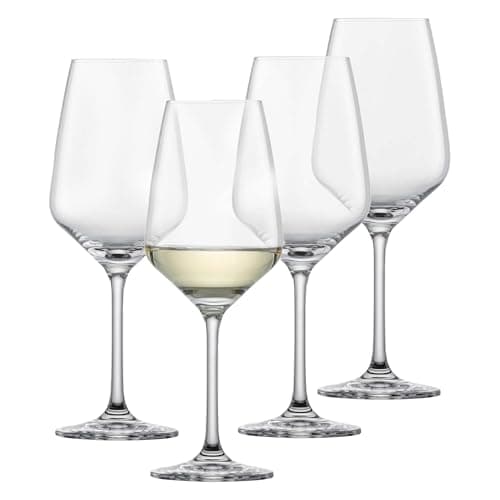 Schott Zwiesel Tritan Crystal Wine GlassesCrystal that survives | Crystal that survives | 8.8 | Check price on Amazon #ad We may earn a commission · Live price on Amazon — it changes often |
| 2 | 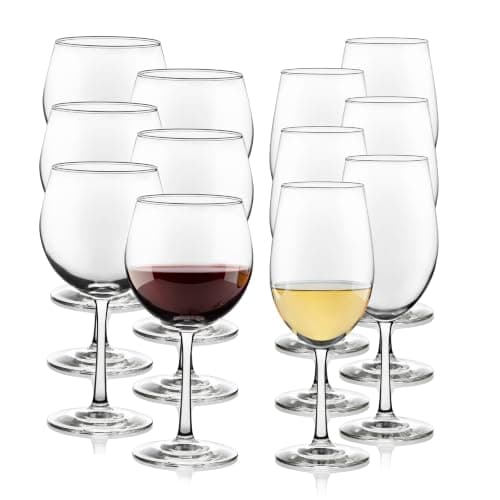 Libbey Wine Glass SetFeeding a crowd | Feeding a crowd | 8.4 | $49.99 · View on Amazon #ad We may earn a commission · Price as of November 2, 2026 |
| 3 | 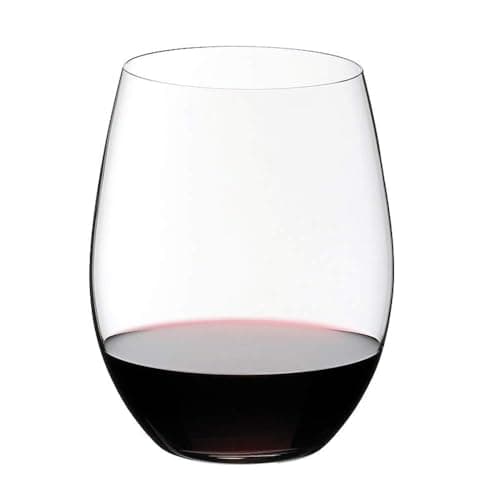 Riedel O Wine TumblerPremium stemless | Premium stemless | 8.2 | $58.51 · View on Amazon #ad We may earn a commission · Price as of November 2, 2026 |
| 4 |  Amazon Basics Wine GlassesCheapest sensible | Cheapest sensible | 7.8 | Check price on Amazon #ad We may earn a commission · Live price on Amazon — it changes often |
Scores are our editorial rating, not a lab test result — see how we pick.
A red wine glass has a wider bowl and a shorter stem; a white wine glass has a narrower bowl and a longer stem. The wide bowl gives red more air, which softens tannin and releases aroma. The long stem keeps your hand off chilled white. Everything else written about these two shapes is refinement of those two ideas, and you can absolutely pour either wine into either glass.
The three differences, side by side
| Red wine glass | White wine glass | |
|---|---|---|
| Bowl | Wide and round, lots of surface area | Narrower and more upright |
| Rim | Tapers in noticeably | Tapers less, or barely at all |
| Stem | Shorter | Longer |
| Why | Air softens tannin and lifts aroma | Keeps the hand off cold wine, holds the chill |
| Serving temperature | Cool room, roughly 60 to 65F | Properly cold, roughly 45 to 50F |
| Pour | About a third of the bowl | About half, so it is drunk before it warms |
| Stemless version | Works well | Warms the wine, so less ideal |
The one difference that actually matters
If you only remember one thing: the stem is not decoration. White wine is served cold and stays good for about as long as it stays cold, and a hand wrapped around the bowl is a small heater. That is why white glasses have longer stems and why stemless glasses, which are better in almost every other respect, are a slightly worse fit for white.
The bowl difference is real but more forgiving. A narrower bowl gives red less air, so a young, firm red tastes a little tighter in a white glass than it would in a proper red one. On most bottles, under most circumstances, that gap is smaller than people assume.
Can you use one for the other?
Yes, in both directions, with a small adjustment each way.
- Red in a white glass: fine. Pour a little less so there is room to swirl, and give it a few more seconds of air.
- White in a red glass: fine, but it warms faster. Pour smaller measures and top up more often rather than filling it.
- Sparkling in either: works better than people expect. A narrower white glass keeps more of the bubbles than a wide red bowl.
What a universal glass actually is
The universal or all-purpose shape sits between the two: a bowl wide enough to swirl a red, upright enough not to cook a white, on a stem long enough to hold properly. It is the shape most restaurants pour both wines into, and it is what the Schott Zwiesel Tritan glasses on this page are.
Buying one shape also fixes a storage problem nobody mentions until their cupboard is full. Glassware is tall and does not stack, and two sets take up roughly twice the shelf — see how to store wine glasses if that is already a live issue in your kitchen.
Which to buy
- One shape for both wines: Schott Zwiesel Tritan. Lead-free Tritan crystal, a proper bowl, and dishwasher safe, which crystal usually is not.
- Serving a crowd: Libbey, in sets up to twelve. Restaurant-grade and cheap enough to replace one at a time.
- If you want varietal bowls without stems: the Riedel O series.
- Cheapest that is still fine: Amazon Basics, in sets of four and eight.
For the dedicated versions of each, white wine glasses and red wine glasses each have their own page.
The picks in full
We have not lab-tested these products. Picks are chosen from live listings, sustained customer feedback at scale, material quality and fit for hosting — our full methodology.
Product image from Amazon, refreshed daily.
1. Schott Zwiesel Tritan Crystal Wine Glasses
Tritan crystal is the brand that popularized the category: it looks like crystal and goes in the dishwasher, which is the whole point.
Key specs
- Tritan crystal
- Lead-free
- Dishwasher safe
- Stemmed
What works
- Break and chip resistance well beyond ordinary crystal
- Genuinely dishwasher safe, repeatedly
- Clarity holds instead of clouding over years
What does not
- Premium pricing for everyday glassware
- Stems still take cupboard height
#ad We may earn a commission · Live price on Amazon — it changes often
Product image from Amazon, refreshed daily.
2. Libbey Wine Glass Set
Twelve glasses from an American glassmaker that supplies restaurants, which is exactly the durability profile a party needs.
Key specs
- Soda-lime glass
- Sets up to 12
- Dishwasher safe
- Restaurant-grade construction
What works
- Twelve glasses means nobody is drinking from a tumbler
- Built to restaurant tolerances, so breakage is low
- Replacements are easy to find
What does not
- Thicker rim than crystal, which is noticeable side by side
- Plain styling
#ad We may earn a commission · Price as of November 2, 2026
Product image from Amazon, refreshed daily.
3. Riedel O Wine Tumbler
Varietal-specific bowl shapes in lead-free crystal, which is the only stemless glass here engineered around what is actually in it.
Key specs
- Lead-free crystal
- Varietal-specific bowls
- Stemless
- Dishwasher safe
What works
- Bowl shape genuinely changes how an aromatic wine reads
- Crystal is thinner and clearer than the soda-lime field
- Dishwasher safe despite being crystal
What does not
- Several times the price of the value sets
- Thin crystal is less forgiving of a knock
#ad We may earn a commission · Price as of November 2, 2026
Representative category photo, not the product listing image.
4. Amazon Basics Wine Glasses
The no-thought budget option. Buy these without hesitation if you need eight glasses by Friday and the budget is the constraint.
Key specs
- Soda-lime glass
- Sets of 4 and 8
- Dishwasher safe
What works
- Cheapest route to a matched set
- Breaking one costs nothing
- Perfectly good once wine is in them
What does not
- Thick rim and heavy base
- Not a glass anyone will compliment
#ad We may earn a commission · Live price on Amazon — it changes often
Common questions
What is the difference between a white wine glass and a red wine glass?
A red wine glass has a wider, rounder bowl and usually a shorter stem; a white wine glass has a narrower, more upright bowl and usually a longer stem. The bowl width is about giving the wine air; the stem length is about keeping your hand away from it.
Which is bigger, a white or a red wine glass?
The red glass, essentially always. A red bowl is wider so the wine has surface area to open up, and the extra size is the single most visible difference when the two sit next to each other.
Can you use white wine glasses for red wine?
Yes, and nobody will mind. You lose a little aroma because a narrower bowl releases less, which matters on a good bottle and not at all on a weeknight one. Pour slightly less and swirl a bit more.
Can you use red wine glasses for white wine?
Also yes, with one practical cost: the wider bowl means more surface area, so white wine warms up faster in the glass. Pour smaller amounts and refill more often and the problem disappears.
Do I need both kinds of glass?
No. One universal or all-purpose shape, in a count that covers your table, is a better buy than two half sets. Buy the second shape later if you find you care, and buy it for whichever wine you drink most.
Why does a white wine glass have a longer stem?
Because white is served cold and a hand on the bowl warms it. The stem is a handle that keeps body heat away from the wine. It is the one structural difference between the two glasses with a genuinely practical purpose.