Serving Tray vs Platter
They look like the same object in a catalog. One is built to be carried full across a room; the other is built to sit still and make food look good.
Heads up: we earn a commission from qualifying purchases made through the links on this page, at no extra cost to you. It never changes which products we pick or the order we rank them in. Full disclosure.
Quick picks
Tap any row to jump to the full write-up further down the page.
| # | Product | Best for | Score | Price |
|---|---|---|---|---|
| 1 | 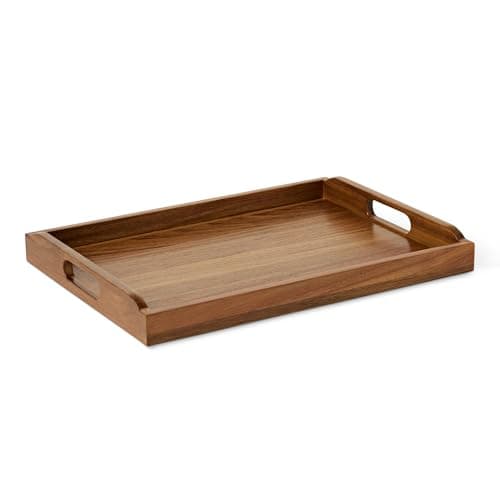 Amazon Basics Acacia Wood Serving TrayThe default tray | The default tray | 8.1 | $15.18 · View on Amazon #ad We may earn a commission · Price as of November 2, 2026 |
| 2 | 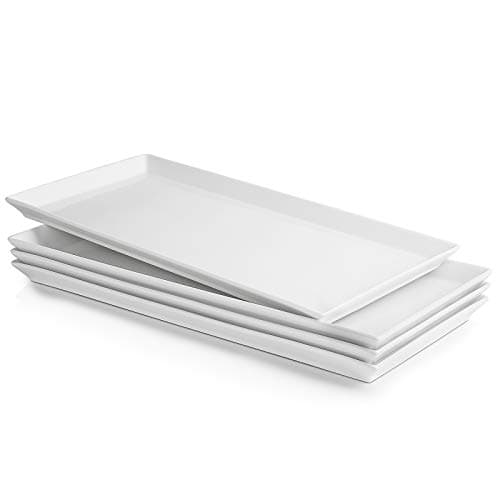 Sweese Porcelain Serving Platter SetPlatters | Platters | 8.4 | $53.99 · View on Amazon #ad We may earn a commission · Price as of November 2, 2026 |
| 3 | 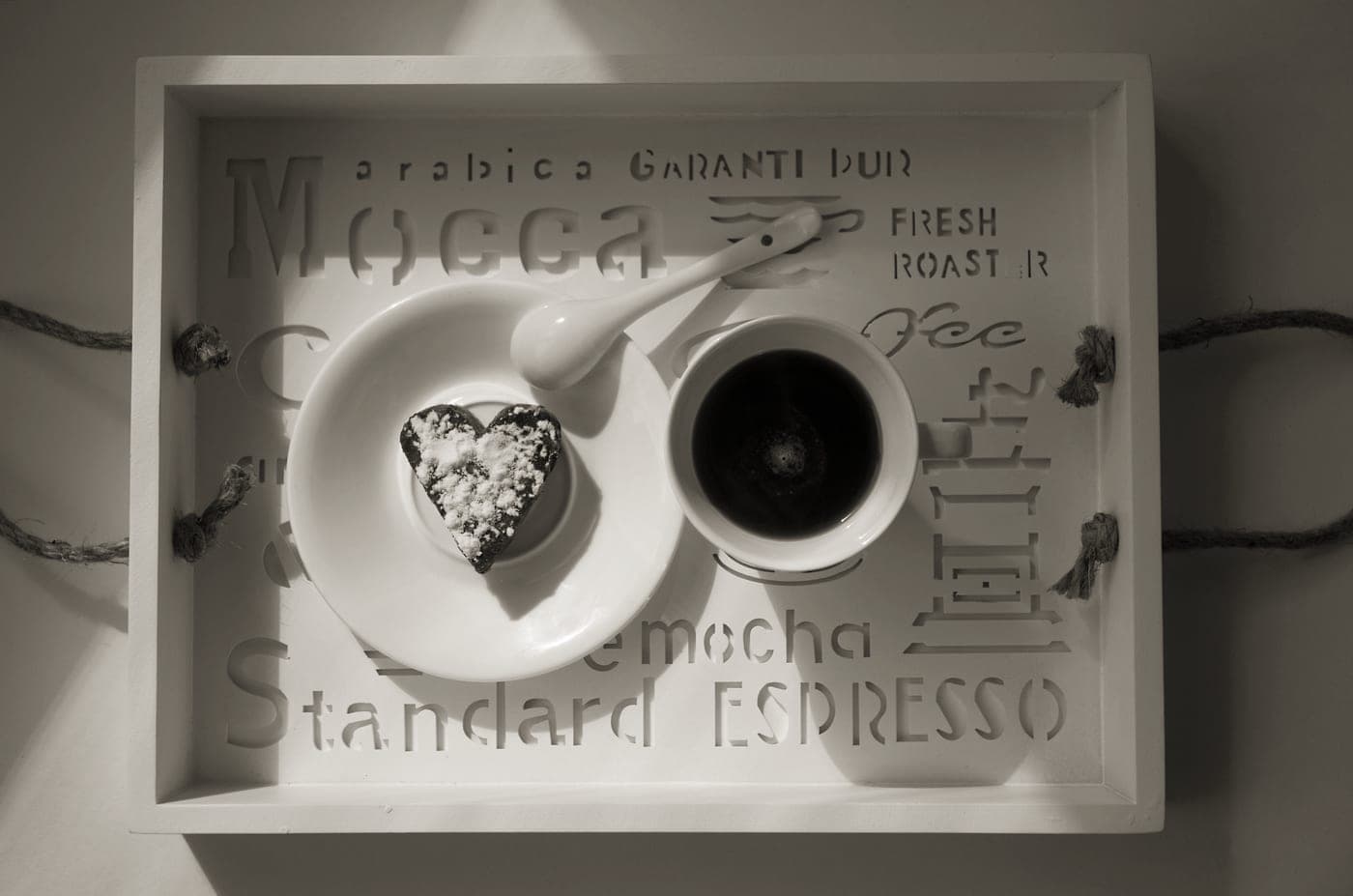 ZESPROKA Acacia Wood Serving TrayHeavy loads | Heavy loads | 8.5 | Check price on Amazon #ad We may earn a commission · Live price on Amazon — it changes often |
| 4 | 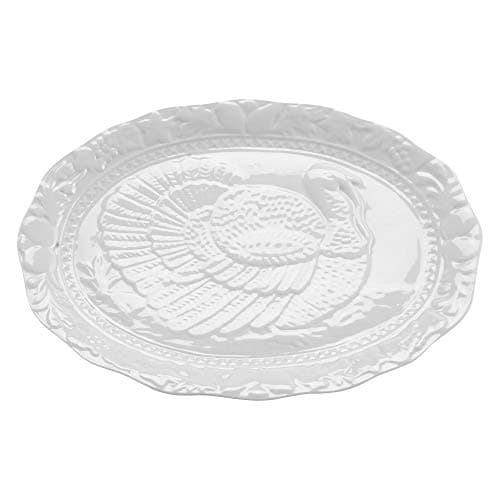 HIC Kitchen Turkey Platter, 17.5 inThe bird | The bird | 8.4 | $37.49 · View on Amazon #ad We may earn a commission · Price as of November 2, 2026 |
Scores are our editorial rating, not a lab test result — see how we pick.
A serving tray is built to be carried and a platter is built to be looked at. That is the whole difference, and everything else follows from it: a tray has a rim and handles and is usually wood or metal, while a platter is a flat ceramic dish with a shallow lip that goes from oven to table. If you are buying one object and you host at home, buy the tray — carrying is the problem that comes up every time.
Side by side
| Serving tray | Platter | |
|---|---|---|
| Job | Move food and drink across a room | Present food where it will be eaten |
| Rim | Raised lip, often an inch or more | Shallow lip or none at all |
| Handles | Cut-outs or fitted handles | Rarely |
| Usual material | Acacia, bamboo, metal, melamine | Porcelain, stoneware, glass |
| Oven safe | No | Often, and check the listing |
| Holds liquid | A spill, not a sauce | Yes, within the lip |
| Dishwasher | Wood no, metal and melamine yes | Usually yes |
What the rim is actually for
The raised edge on a tray is not decoration. It is the only thing between a full wine glass and the floor when you turn a corner. Even a half-inch lip converts a slide into a tip-back, and that is the margin that lets you carry six drinks instead of three.
A platter deliberately does without it, because a high rim makes food harder to lift off and casts a shadow over the edge of what is being served. Flat and open is the right shape for something that will sit on a table and be picked from; it is the wrong shape for something crossing a room.
The oven is the other dividing line
Platters are mostly porcelain or stoneware, so they go into an oven and come out onto the table with food still hot. The HIC turkey platter on this page is oven safe to 350F; the Sweese set is oven, microwave and dishwasher safe. That is a genuine capability no wooden tray has.
It also means a platter can be warmed before service, which does more for a roast than any amount of foil. We cover that trick and the rest in how to keep food warm for a party.
Which to buy for which job
- Drinks, coffee, anything with a glass: a tray, with handles and a real lip. The Amazon Basics acacia tray at roughly 17 x 12 in is the default size for this.
- A heavy load across a house: the ZESPROKA tray. Heavier construction and low side handles, which is what you want when the tray itself is carrying the weight rather than your fingers.
- A course you plated in the kitchen: a porcelain platter. Rectangular for anything sliced, oval for a whole fish or a roast.
- A holiday main: the HIC turkey platter, which is sized for a bird at 17.5 x 13.125 in and oven safe so it can be warmed first.
- Cheese and charcuterie: neither, strictly — that is a board. The comparison is in charcuterie board vs platter.
Sizing, which differs between them
Trays are sized by what you can carry: the limit is your reach and the weight, not the tray. Most households are best served by one tray around 17 to 20 in for general carrying and one smaller tray for coffee or a side table. The full breakdown is in what size serving tray do I need.
Platters are sized by the food. A platter should be visibly larger than what sits on it — food crowded to the edge looks like there was not enough dish, and the two inches of empty rim is what makes a platter read as deliberate. Buying a set in two shapes covers more than buying one large one.
If you only buy one
Buy the tray. Carrying is the recurring problem in a house where people come over, and a good wooden tray doubles as a board for cheese and bread, which covers some of the platter use anyway. Add a porcelain platter when you start plating courses or cooking a roast, because at that point the oven-to-table ability is the thing you are missing.
Our full lists are the best serving trays and the best serving platters.
Care, and why it differs
A wooden tray is hand wash only and wants oiling every month or two, because the same dry air that cracks a cutting board cracks a tray. Nothing wooden goes in a dishwasher: standing water and prolonged heat open glue joints and warp solid wood, and no amount of oil afterward fixes it. The method is in how to condition a charcuterie board, which applies to trays and boards equally.
A porcelain platter is the opposite: dishwasher, microwave and usually oven safe, and it needs no maintenance at all. What it does need is care in handling, because the failure mode is a chip at the rim rather than a warp. Stack platters with something soft between them and they outlive everything else on the table.
What about everything in between
Three common objects sit on the line, and knowing which side they fall on saves a wasted purchase. A divided tray with a lid is a tray that has given up carrying in exchange for make-ahead storage, so it goes in the fridge and comes out as a serving piece. A tiered stand is a platter stacked three times to buy table area rather than carrying capacity. And an ottoman tray is a tray that stays still — styled, not carried, with its rim there to stop things sliding off a soft surface.
The practical consequence is that none of the three replaces a plain tray. If you own a divided lidded tray and a tiered stand and you still find yourself making two trips from the kitchen, the thing you are missing is a tray with handles.
The picks in full
We have not lab-tested these products. Picks are chosen from live listings, sustained customer feedback at scale, material quality and fit for hosting — our full methodology.
Product image from Amazon, refreshed daily.
1. Amazon Basics Acacia Wood Serving Tray
A 17 x 12 acacia tray with cut-in handles at the lowest sensible price. The tray to buy if you have no tray and want to stop thinking about it.
Key specs
- Acacia
- About 17 x 12 in
- Built-in cut handles
- Flat profile
What works
- Cut-in handles do not snag or come loose like screwed-on hardware
- Size fits a coffee table and a kitchen island equally
- Cheap enough to own two
What does not
- Low sides mean drinks slide if you tilt it
- Finish is functional rather than beautiful
#ad We may earn a commission · Price as of November 2, 2026
Product image from Amazon, refreshed daily.
2. Sweese Porcelain Serving Platter Set
Plain white porcelain platters that make the food the thing on the table. The most useful serveware you can own, and the least interesting to shop for.
Key specs
- White porcelain
- Rectangular and oval shapes
- Oven, microwave and dishwasher safe
- Sold in sets
What works
- White makes every food look better than a patterned plate does
- Oven-safe means you can cook and serve in one dish
- Stacks flat, which matters when you own several
What does not
- Heavier than melamine for outdoor use
- Porcelain chips if you stack it carelessly
#ad We may earn a commission · Price as of November 2, 2026
Representative category photo, not the product listing image.
3. ZESPROKA Acacia Wood Serving Tray
Thicker acacia with low-profile side handles, built for carrying a full load rather than styling a coffee table. This is the one that survives weekly use.
Key specs
- Premium acacia
- Low-profile side handles
- Heavier construction
- Multiple sizes
What works
- Does not flex under a full tray of drinks
- Low-profile handles keep the footprint small
- Finish survives repeated wiping
What does not
- Heavier empty than the budget trays
- Costs more than the Amazon Basics equivalent
#ad We may earn a commission · Live price on Amazon — it changes often
Product image from Amazon, refreshed daily.
4. HIC Kitchen Turkey Platter, 17.5 in
A platter long enough to hold a whole bird and still leave you somewhere to put the carved slices, which is the one job an ordinary platter fails at once a year.
Key specs
- Fine porcelain, lead and cadmium free
- 17.5 x 13.125 x 1 in
- Embossed turkey design, scalloped edge
- Oven safe to 350F, microwave, dishwasher and freezer safe
What works
- Long enough for a whole bird with carving room left over
- Oven safe, so it can be warmed before the turkey lands on it
- Rim and scalloped edge keep resting juices off the tablecloth
What does not
- The embossed turkey makes it a seasonal piece, not a year-round platter
- 4.5 lb empty, and a platter this size does not fit every dishwasher
- 350F is a lower oven limit than plain porcelain bakeware
#ad We may earn a commission · Price as of November 2, 2026
Common questions
What is the difference between a serving tray and a platter?
A tray is built to carry: it has a raised rim or handles, a flat base, and it is designed to be lifted while loaded. A platter is built to present: it is usually a flat dish with a shallow lip, often oven-safe ceramic or porcelain, and it is meant to be set down and served from.
Can you use a platter as a tray?
For a short distance, yes, and it is the common mistake. A platter has no rim to stop things sliding and nothing to grip, so a loaded one is carried by its edges with your thumbs over the food. It works across a kitchen and goes wrong on stairs or through a doorway.
Can you use a tray as a platter?
More readily, especially a wooden one. A wooden tray doubles as a board for cheese, charcuterie and bread and looks right on a table. What it cannot do is go in an oven or hold anything wet, which is where a porcelain platter earns its place.
Which one do I need first?
A tray. It solves the problem that comes up every time you entertain - getting drinks and food from the kitchen to where people are standing. A platter solves a presentation problem, which only shows up when you are plating a course rather than passing snacks.
Is a charcuterie board a tray or a platter?
Functionally a platter, built like a tray. A board is flat, has no real rim, and is meant to be set down and grazed from, which is platter behavior. Because it is wood and often has handles, people carry it like a tray, and a fully loaded board is heavier than it looks.
What material should each one be?
Trays in wood or bamboo for weight and grip, or metal if you want a wipeable surface. Platters in porcelain or stoneware, because they go from oven to table, take hot food without scorching, and wash in a dishwasher.